

Why Winter Solstice Feasts Matter for European Heritage
Europe’s winter solstice feasts preserve thousands of years of cultural continuity celebrating nature’s turning point. First, December 21 marks the shortest day and longest night requiring communities gathering for comfort and hope. Additionally, winter solstice feasts traditionally occurred when livestock slaughter provided fresh meat after harvest completion.

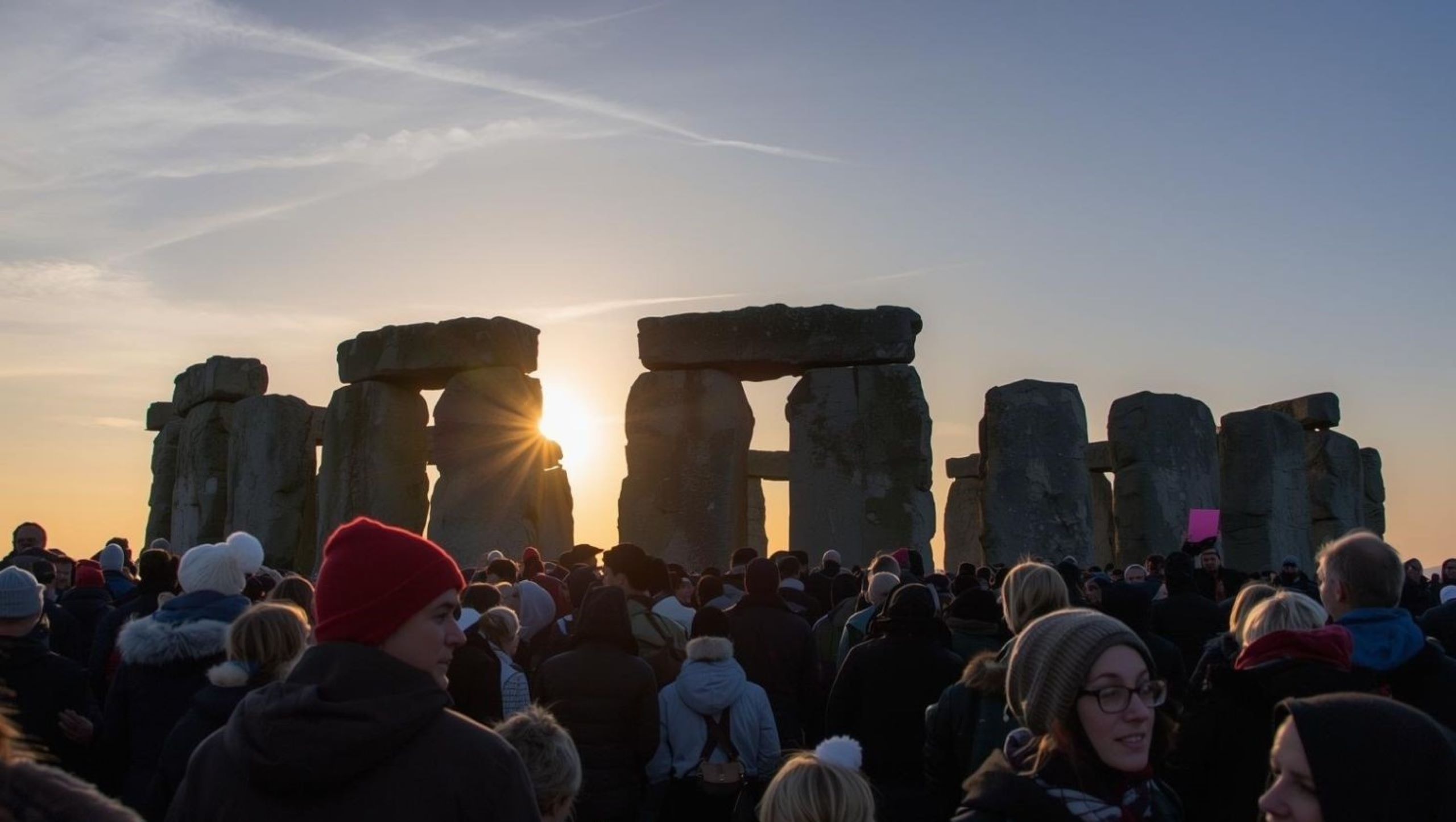
These winter solstice feasts address fundamental human needs for light, warmth, and community during harsh winters. Moreover, archaeological evidence from Stonehenge and Newgrange demonstrates winter solstice significance dating to Neolithic times. For instance, winter solstice feasts symbolize death and rebirth of the sun ensuring agricultural cycles continuing. Meanwhile, pre-Christian traditions merged with later Christian celebrations creating today’s Christmas customs.
Consequently, understanding winter solstice feasts reveals how ancient beliefs shape modern European identity. Thus, winter solstice celebrations transcend mere parties becoming profound cultural expressions connecting past and present.
Traditional Winter Solstice Feast Foods Across Europe
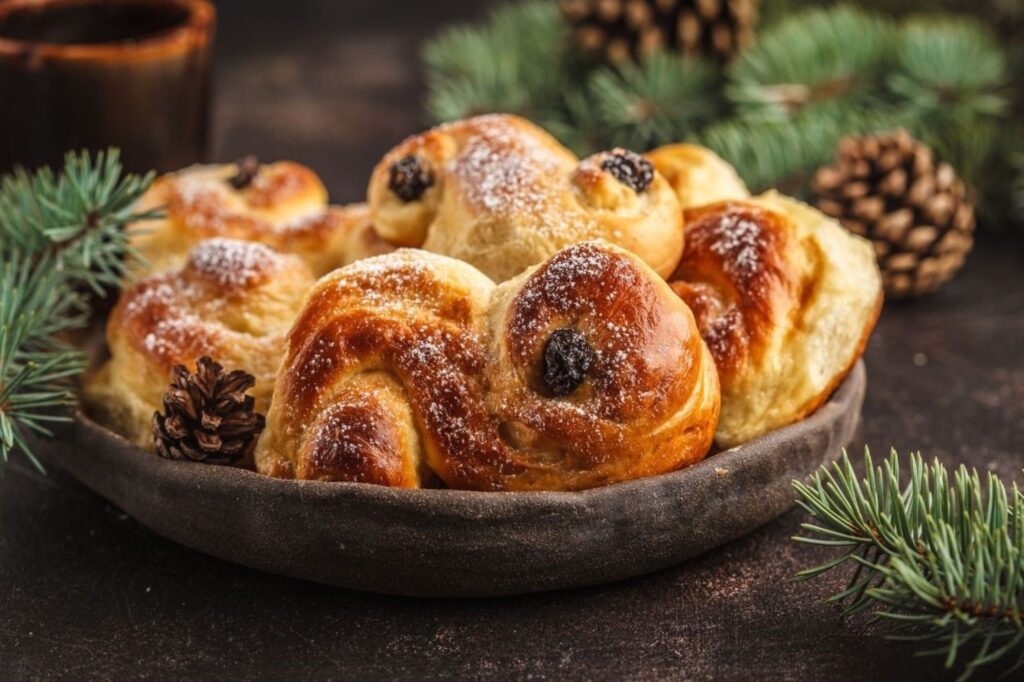
Scandinavian winter solstice feasts feature distinctive foods embodying midwinter symbolism and survival necessities. First, Yule traditions include roasted meats, root vegetables, breads shaped as solar symbols, and preserved foods. Additionally, winter solstice feasts incorporate lussekatter—saffron buns shaped like cats with raisin eyes—served during St. Lucia Day December 13.
Moreover, Nordic winter solstice feasts feature glögg—mulled wine with spices, almonds, and raisins—warming celebrants through long dark nights. Furthermore, gingerbread cookies called pepparkakor appear across winter solstice feasts representing spice trade luxury. For example, winter solstice feasts historically required feeding families through dangerous midwinter nights necessitating seven to nine hearty meals.

Meanwhile, Roman Saturnalia winter solstice feasts December 17-23 included lavish banquets reversing social orders with masters serving slaves. Consequently, winter solstice feast traditions emphasize abundance, warmth, and shared consumption during scarcity. Thus, foods symbolize both physical sustenance and spiritual renewal through darkest seasons.
European Winter Solstice Feast Celebrations and Locations
Several iconic European sites host winter solstice feasts and gatherings annually. First, Stonehenge welcomes thousands witnessing sunrise December 22 marking the sun’s rebirth after longest night. Additionally, winter solstice feasts at Stonehenge offer free admission with visitors touching normally restricted stones during celebrations.
Moreover, Newgrange passage tomb in Ireland illuminates dramatically during winter solstice when sunlight penetrates the chamber for 17 minutes. Furthermore, winter solstice feasts there include lottery-selected participants experiencing this 5,000-year-old solar alignment. For instance, Sweden’s St. Lucia Day December 13 features processions with white-robed girls wearing candle crowns singing traditional songs while serving lussekatter.






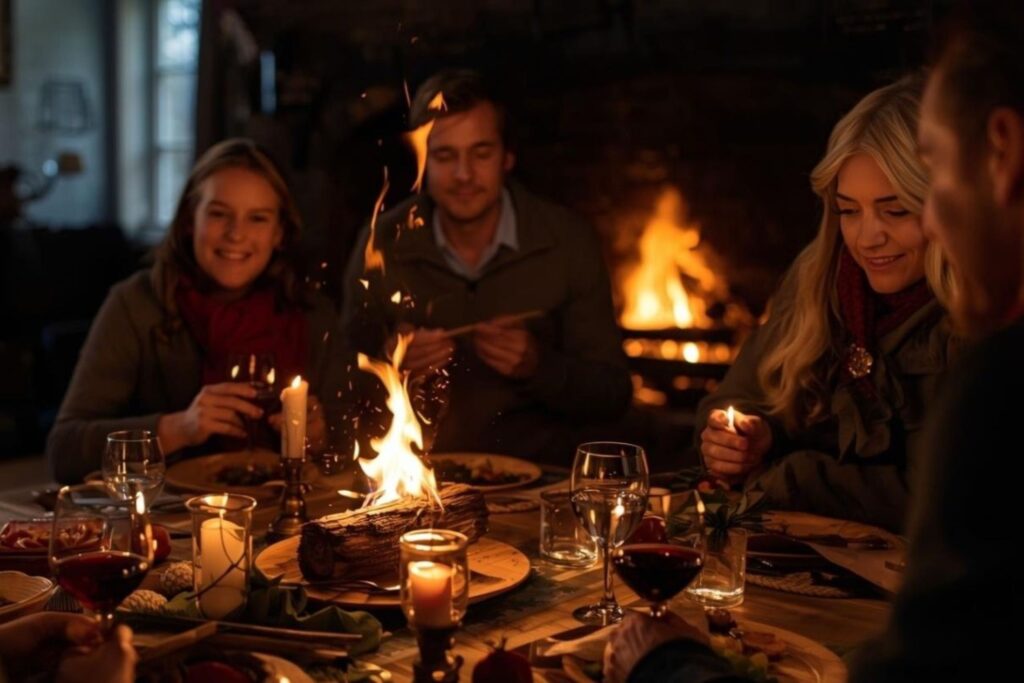
Meanwhile, Albanian winter solstice feasts called Nata e Buzmit burn ritualistic yule logs between December 22 and January 6. Consequently, diverse European winter solstice feast traditions demonstrate regional variations on shared themes. Thus, travelers discover authentic celebrations from Ireland to Scandinavia to Mediterranean regions.


Co-production treaty and European cinema
Europe's co-production treaty network is one of the most consequential, yet least visible, forces in the films that reach your...

Infrastructure funds: a retail investor guide
Infrastructure funds listed in the EU give retail investors access to stable, long-term assets once reserved for institutions. But not...
Conclusion: Winter Solstice Feasts Preserve European Soul
Europe’s winter solstice feasts demonstrate how ancient traditions remain vital through contemporary celebrations. From Stonehenge gatherings to Swedish Lucia processions, Saturnalia banquets to Newgrange illuminations, traditions honor light’s return after longest night. Moreover, traditional feast foods including lussekatter, mulled wine, and symbolic breads connect modern Europeans with ancestral wisdom.
Winter solstice feasts combining fire, food, family, and hope create profound experiences transcending individual cultures. Additionally, participant testimonials prove winter solstice celebrations deliver genuine community connections and personal renewal. Therefore, Europeans should explore local winter solstice feast traditions immediately experiencing this remarkable heritage.
Furthermore, Europe’s commitment to preserving ancient sites and traditions ensures sustained winter solstice celebration opportunities. Indeed, the continent’s archaeological treasures, cultural diversity, and living traditions create unmatched solstice feast experiences globally. Research December 21 events today, prepare traditional foods, and discover Europe’s enchanting winter solstice feast heritage.
Ready to celebrate? Visit Stonehenge for solstice sunrise, explore Swedish Lucia traditions, and discover Europe’s magical winter solstice feast customs!









Super article ! C’est fascinant de voir comment ces vieilles traditions du solstice d’hiver résistent au temps. C’est exactement le genre de fêtes authentiques et liées à la nature que j’adore découvrir lors de mes virées sur la route. Braver le froid pour aller vivre l’une de ces célébrations en direct serait une vraie aventure.
Esto sí que es auténtico. Celebrar la naturaleza y el cambio de ciclo sin tanto postureo comercial. Por las rutas se ven pueblos que aún respetan esto y es lo más real que hay. 🏔️🔥
Prefiero mil veces un fuego y tradiciones de las de antes que todo el rollo consumista de hoy. La esencia está en lo natural y lo salvaje. Así de claro. 👊