

What Drives European Spa Market Growth in 2026?
European spa market revenue reaches €32 billion this year. Consequently, investors recognize wellness tourism as lucrative sector. Industry analysts project 8.5% annual growth through 2030.

Additionally, post-pandemic health consciousness accelerates wellness spending significantly. Therefore, consumers prioritize preventive healthcare and stress management. Moreover, Germany, France, and Switzerland lead market expansion.
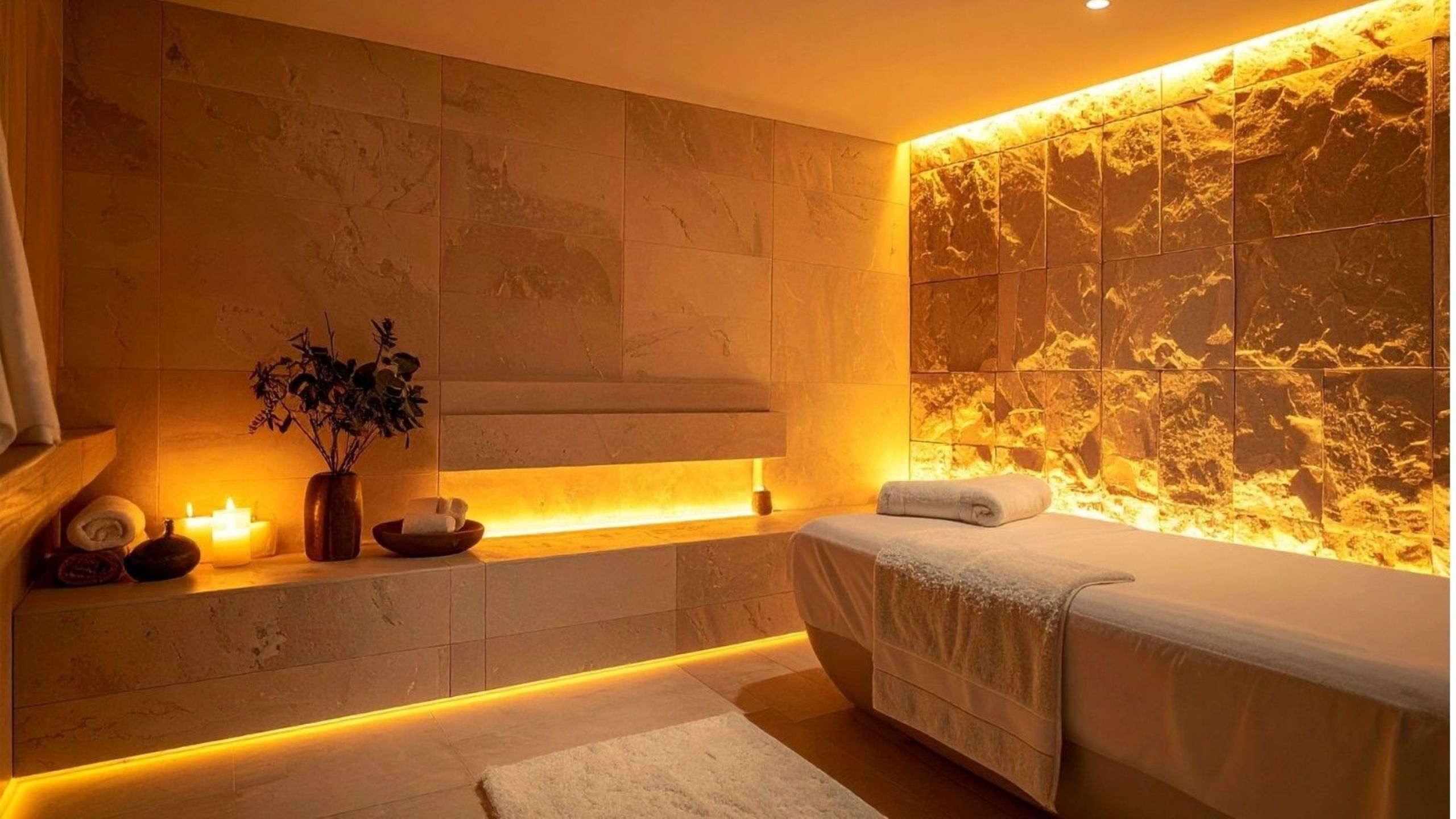
Luxury spa facilities integrate medical treatments with traditional therapies. For instance, thermal springs combine with advanced skincare technologies. Thus, holistic wellness approaches attract premium-paying clientele consistently.
Which European Countries Lead Luxury Wellness Revenue?
Germany dominates the spa market with €8.2 billion revenue. Furthermore, Baden-Baden and Bavaria remain premier wellness destinations. Thermal bath traditions drive consistent tourist arrivals annually.
Switzerland’s alpine wellness resorts attract international high-net-worth clients. However, premium pricing strategies generate exceptional profit margins. Also, medical spa offerings differentiate Swiss facilities globally.

France’s thalassotherapy centers create unique coastal wellness experiences. Meanwhile, Brittany and Normandy regions specialize in seawater treatments. Certainly, French spa culture emphasizes preventive health maintenance.
Austria and Italy show strong growth in wellness tourism. For example, Tyrol’s thermal spas and Tuscany’s thermal springs. Besides, historic spa towns modernize facilities while preserving heritage.
What Premium Services Define Luxury Spa Offerings?
Personalized wellness programs combining diagnostics and customized treatments flourish. Nevertheless, genetic testing and biometric analysis inform individual protocols. Advanced technology enhances traditional spa experiences significantly.






Medical-grade skincare treatments attract aging European populations increasingly. On the other hand, anti-aging therapies generate highest revenue margins. Specifically, regenerative medicine integrations command premium pricing successfully.
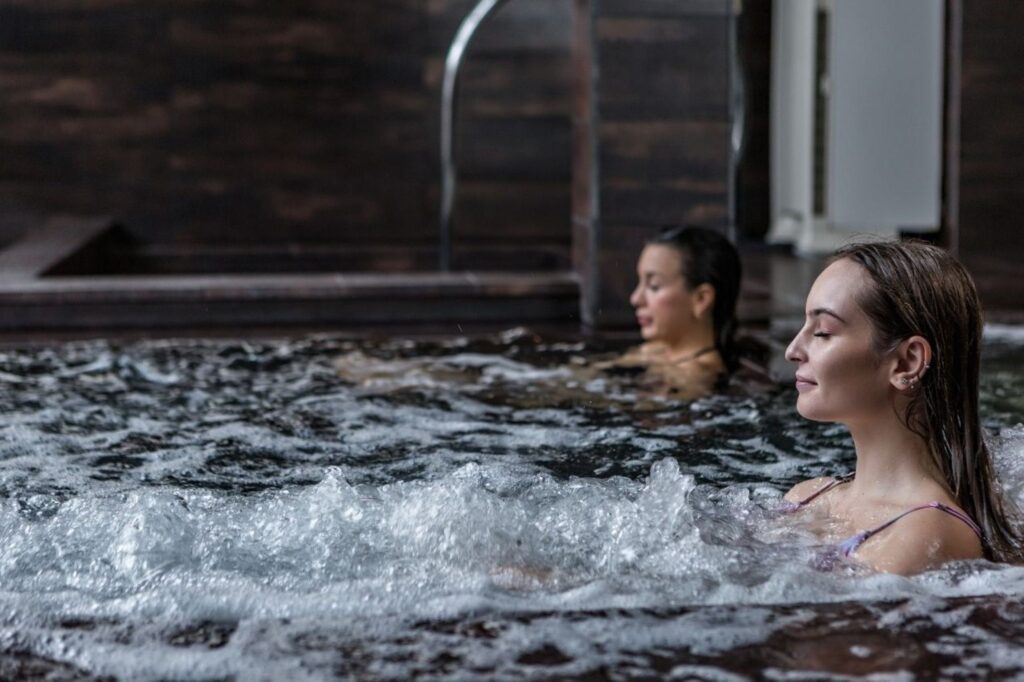
Thermal mineral water therapies remain cornerstone of European wellness. For instance, natural springs provide therapeutic benefits scientifically proven. Besides, hydrotherapy traditions date back centuries across Europe.
Holistic nutrition counseling and detox programs gain mainstream acceptance. Thus, spa cuisine emphasizes organic local ingredients exclusively. Furthermore, wellness retreats offer comprehensive lifestyle transformation packages.


Co-production treaty and European cinema
Europe's co-production treaty network is one of the most consequential, yet least visible, forces in the films that reach your...

Infrastructure funds: a retail investor guide
Infrastructure funds listed in the EU give retail investors access to stable, long-term assets once reserved for institutions. But not...
What Investment Opportunities and Challenges Exist?
Boutique wellness hotels combining accommodation with comprehensive spa facilities. Meanwhile, investors achieve strong returns through integrated offerings. Popular locations include Alps, Mediterranean coast, and thermal regions.
Wellness real estate developments integrate residential with spa amenities. For example, thermal resort communities attract permanent residents. Besides, rental income potential enhances investment returns significantly.
Labor shortages affect service quality across European wellness industry. Therefore, training programs and competitive wages become essential. Skilled therapists command premium salaries in competitive markets.
Regulatory compliance varies significantly across European Union countries. Nevertheless, established European spa regions maintain heritage advantages. Also, sustainability expectations require operational adjustments and investments continuously.











Le luxe et le bien-être, c’est tout un art ! Après avoir passé beaucoup de temps sur la route, il n’y a rien de mieux que de se poser dans un spa de qualité pour recharger les batteries. 2026 s’annonce vraiment sous le signe de la détente haut de gamme. Merci
Mucho spa de lujo y mucha historia, pero el verdadero descanso lo encuentro yo cuando apago el motor después de una ruta larga. Menos hoteles caros y más aire puro, eso es lo que de verdad te recarga las pilas para 2026.
The AI-powered wellness assessment angle is being oversold across the whole industry honestly, most clients I know just want hands and silence.