


Why Zero-Waste Christmas Matters for European Sustainability
Traditional Christmas generates massive waste contradicting European environmental commitments. First, average Europeans produce 511kg waste annually with only 38% recycled. Additionally, zero-waste Christmas addresses wrapping paper, decorations, food waste, and single-use plastics flooding landfills.

EU legislation increasingly supports zero-waste Christmas practices through packaging regulations. Moreover, February 2025 rules target single-use plastics including condiments, sugar packets, and disposable containers. For instance, zero-waste Christmas aligns with International Day of Zero Waste celebrated March 30 promoting responsible consumption. Meanwhile, cities like Bonn publish zero-waste Christmas guides helping citizens reducing holiday environmental impacts.
Consequently, zero-waste Christmas represents practical responses to climate challenges. Thus, sustainable celebrations honor traditions while protecting planetary health for future generations.
Zero-Waste Christmas Gift Ideas and Sustainable Alternatives
Thoughtful zero-waste Christmas gifting eliminates waste without sacrificing meaningful gestures. First, experience gifts create memories without generating physical waste—concerts, classes, spa days, or shared meals. Additionally, zero-waste Christmas gifts include consumables like homemade jams, cakes, olive oil, or dates eliminating packaging concerns.
Moreover, sustainable zero-waste Christmas purchases support ethical artisan products using recycled materials. Furthermore, zero-waste Christmas gifts include reusable items like beeswax wraps, cloth napkins, stainless steel water bottles, and refillable soap sets. For example, zero-waste Christmas services include tree planting certificates, charity donations, or membership subscriptions creating lasting impact.

Meanwhile, second-hand zero-waste Christmas shopping through vintage markets and online platforms extends product lifecycles. Consequently, zero-waste Christmas gifting proves creativity and thoughtfulness outweigh monetary spending. Thus, meaningful sustainable gifts strengthen relationships without environmental harm.
Eco-Friendly Zero-Waste Christmas Wrapping Solutions
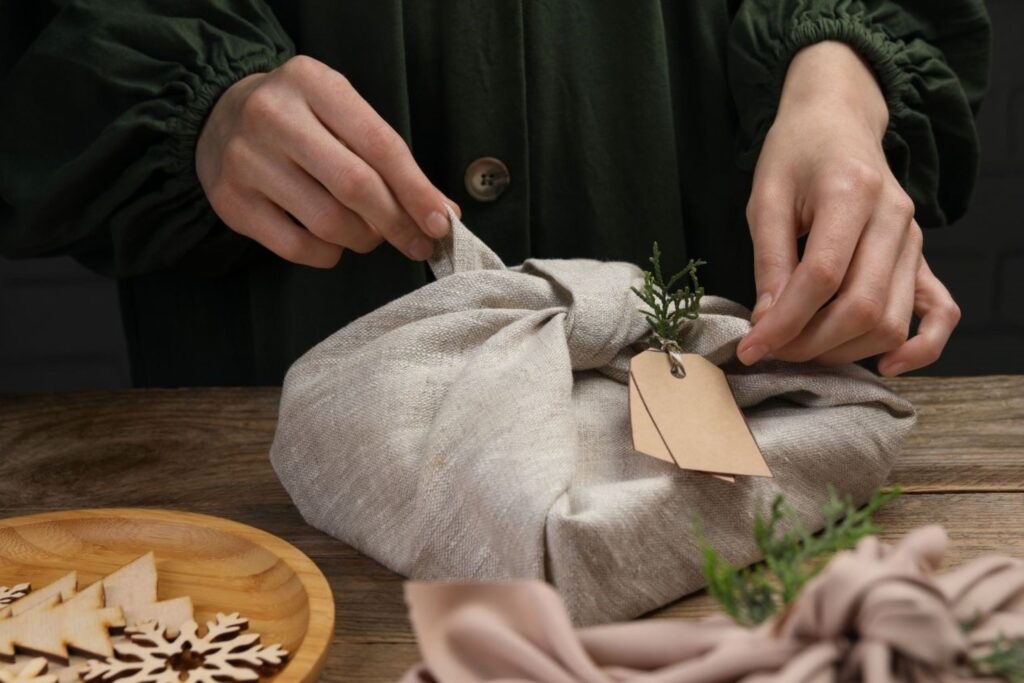
Traditional wrapping paper creates enormous zero-waste Christmas challenges requiring sustainable alternatives. First, Furoshiki—Japanese fabric wrapping technique—uses scarves, tea towels, or cloth squares becoming part of gifts. Additionally, zero-waste Christmas wrapping includes recycled kraft paper, old newspapers, or magazines adding creative touches.
Moreover, reusable zero-waste Christmas gift bags, baskets, or boxes eliminate single-use packaging entirely. Furthermore, zero-waste Christmas decorations include natural twine, dried orange slices, cinnamon sticks, and fresh herb sprigs. For instance, zero-waste Christmas wrapping avoids glitter, tinfoil, and glossy papers which cannot be recycled.






Meanwhile, European Commission recommends zero-waste Christmas wrapping encouraging recipients passing reusable materials forward. Consequently, wrapping becomes creative sustainable expression rather than wasteful afterthought. Thus, zero-waste Christmas packaging demonstrates environmental consciousness while delivering beautiful presentations.


Co-production treaty and European cinema
Europe's co-production treaty network is one of the most consequential, yet least visible, forces in the films that reach your...

Infrastructure funds: a retail investor guide
Infrastructure funds listed in the EU give retail investors access to stable, long-term assets once reserved for institutions. But not...

Conclusion: Zero-Waste Christmas Secures European Environmental Future
Europe’s zero-waste Christmas movement demonstrates how traditions adapt supporting planetary health. From Furoshiki wrapping to experience gifts, potted trees to natural decorations, sustainable practices eliminate unnecessary waste. Moreover, EU regulations and consumer priorities increasingly favor zero-waste Christmas approaches.
Reusable materials, ethical gifts, composting systems, and natural decorations offer boundless zero-waste Christmas possibilities. Additionally, practitioner testimonials prove sustainable celebrations deliver superior meaning and connection. Therefore, Europeans should implement zero-waste Christmas immediately protecting environments while honoring traditions.
Furthermore, Europe’s Zero Waste network ensures sustained resources and community support for zero-waste Christmas adoption. Indeed, the continent’s environmental leadership, regulatory frameworks, and conscious consumers create ideal zero-waste Christmas conditions. Research sustainable practices today, connect with local networks, and transform your 2025 Christmas into environmental celebration.
Ready for sustainable holidays? Visit Zero Waste Europe for resources, explore Going Zero Waste for practical tips, and discover zero-waste Christmas magic!











C’est une excellente approche ! Quand on passe le plus clair de son temps sur la route à explorer la nature, on réalise vite l’importance de réduire ses déchets. L’idée d’un Noël “Zéro Déchet” correspond parfaitement à la mentalité qu’on devrait tous adopter pour protéger nos beaux paysages. Super guide, très inspirant
Esto es lo que hace falta de verdad. Cuando estás siempre en la carretera ves la de mierda que generamos sin sentido. Unas Navidades sin tanta basura y con más respeto por lo verde es lo único que tiene sentido. Menos plástico y más ruta. 🌲🏍️