

What Makes St Nicholas Day Special for Children?
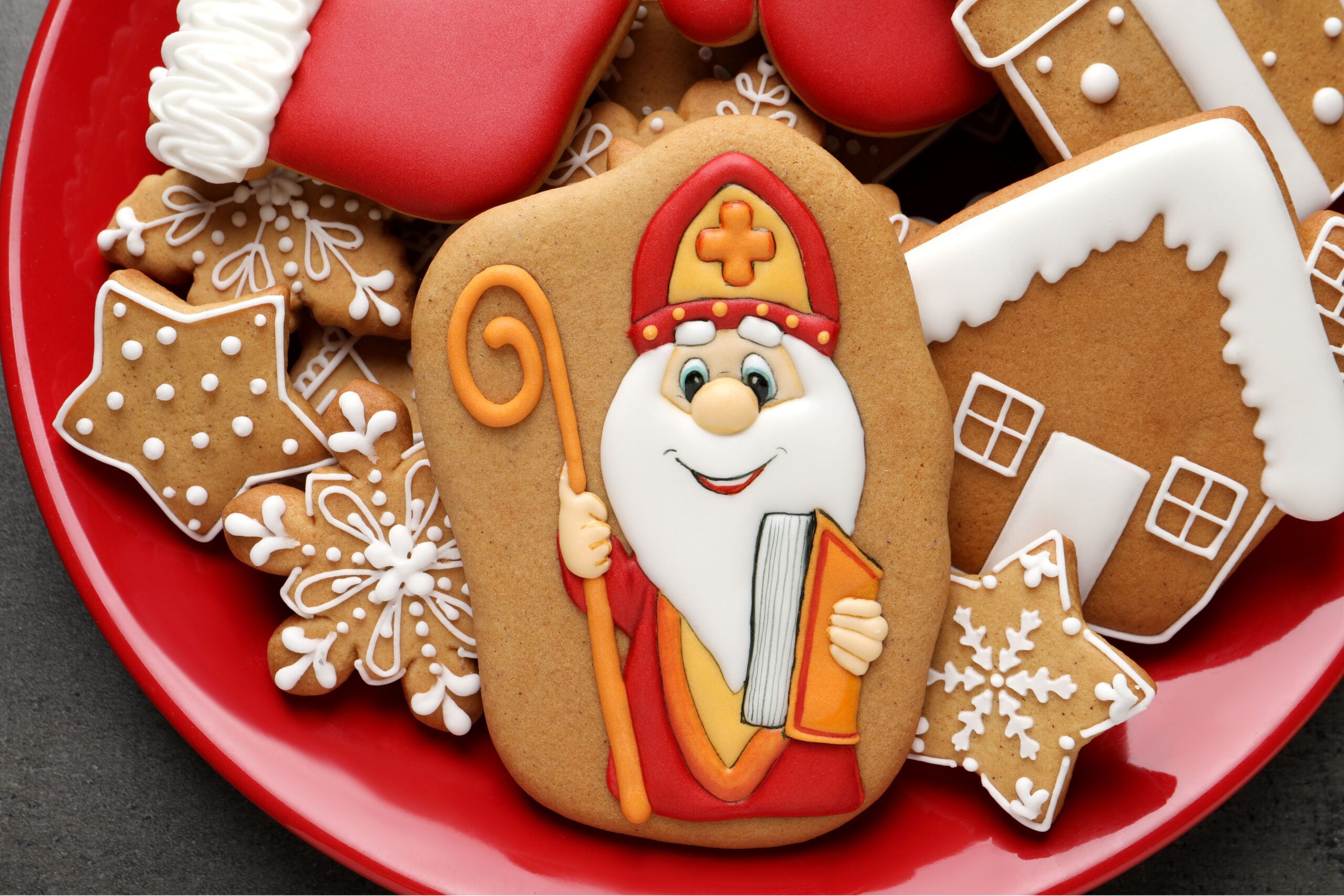
St Nicholas Day honors the 4th-century bishop known for his generosity. Children eagerly await this December 6th celebration. They polish their shoes and leave them by the door overnight.

Moreover, the tradition teaches kindness and gratitude. Parents use this opportunity to reinforce good behavior. The promise of treats motivates children throughout early winter.
Additionally, this custom creates magical childhood memories. Families gather to share stories about the saint. The anticipation builds excitement before Christmas arrives.
Which German Treats Define St Nicholas Traditions?
German children receive chocolate St Nicholas figures wrapped in gold foil. These hollow chocolates stand about six inches tall. Furthermore, they often come with a companion figure representing Knecht Ruprecht.
Spekulatius cookies also appear in German households. These spiced biscuits feature windmill or St Nicholas shapes. Families bake them weeks in advance to develop deeper flavors.

Marzipan treats round out the German selection. These almond confections come molded into various shapes. Indeed, quality marzipan from Lübeck remains highly prized across Europe.

How Do Dutch Families Celebrate Sinterklaas?
The Netherlands transforms St Nicholas into an elaborate celebration. Sinterklaas arrives by steamboat from Spain in mid-November. Children then receive treats throughout the weeks leading to December 5th.
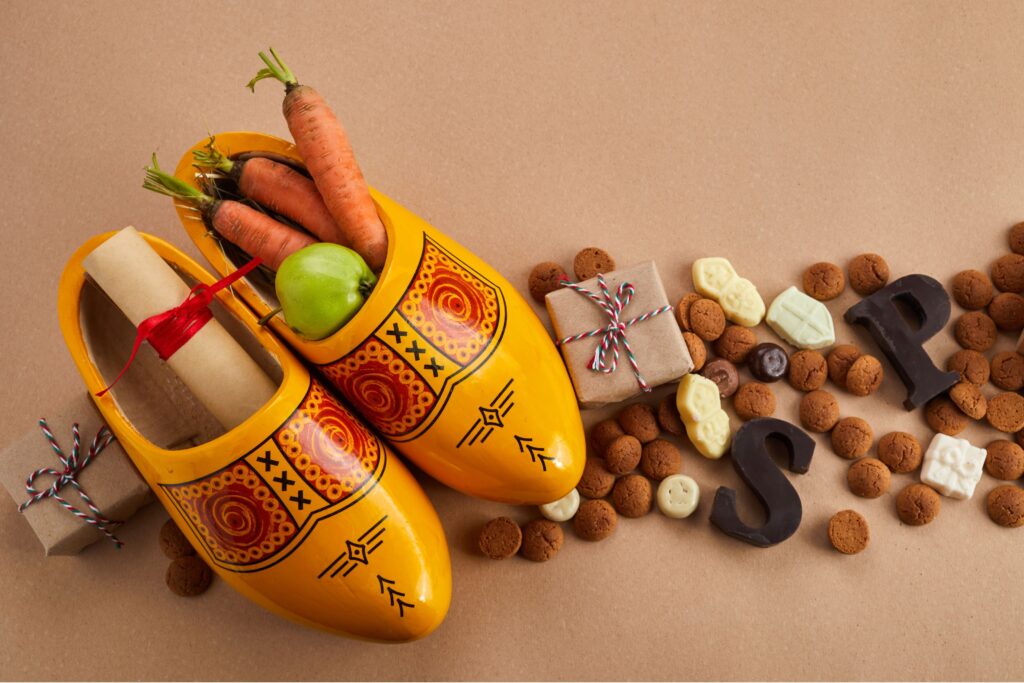
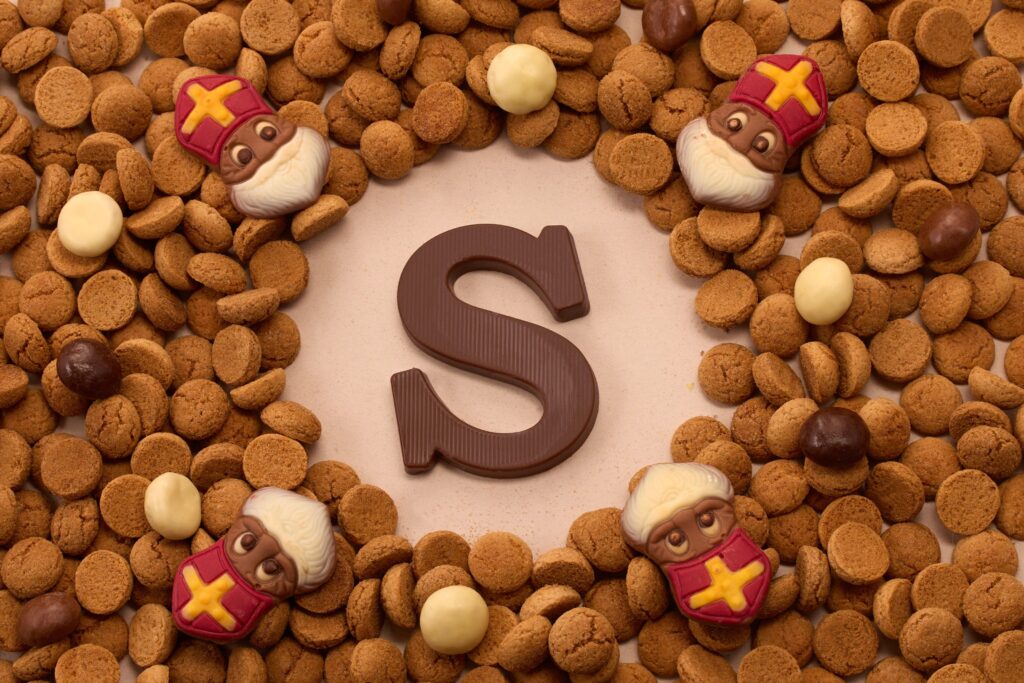
Pepernoten are small, spiced cookies thrown to crowds during parades. These bite-sized treats contain cinnamon, ginger, and cloves. Additionally, chocolate letters spelling children’s initials become treasured gifts.






Kruidnoten offer another popular option. These crunchy cookies differ from pepernoten in texture. Consequently, Dutch households stock both varieties throughout the season.

Co-production treaty and European cinema
Europe's co-production treaty network is one of the most consequential, yet least visible, forces in the films that reach your...

Infrastructure funds: a retail investor guide
Infrastructure funds listed in the EU give retail investors access to stable, long-term assets once reserved for institutions. But not...
Conclusion: Preserving St Nicholas Traditions
St Nicholas Day treats connect modern families to centuries-old customs. These traditions strengthen cultural identity across Europe. Indeed, sharing these sweets creates bonds between generations.
Moreover, the diversity of St Nicholas treats showcases European richness. Each country maintains unique traditions while honoring the same saint. Therefore, exploring these customs enriches our understanding of European heritage.
Consider researching your own family’s St Nicholas tradition this year. Share these stories with children to keep customs alive. After all, St Nicholas Day offers more than treats—it preserves cultural memory.











What a delightful article! Learning about the different St. Nicholas Day treats across Europe is so fascinating. Thank you for sharing these sweet traditions with us!
I love reading about these kinds of traditions. Whenever I go to a local weekly market, I’m always looking for traditional snacks and treats that have a story behind them. It’s cool to see how different European countries celebrate with their own special sweets. Thanks for the interesting read