


Why Do Musicians Celebrate St Cecilia’s Day?
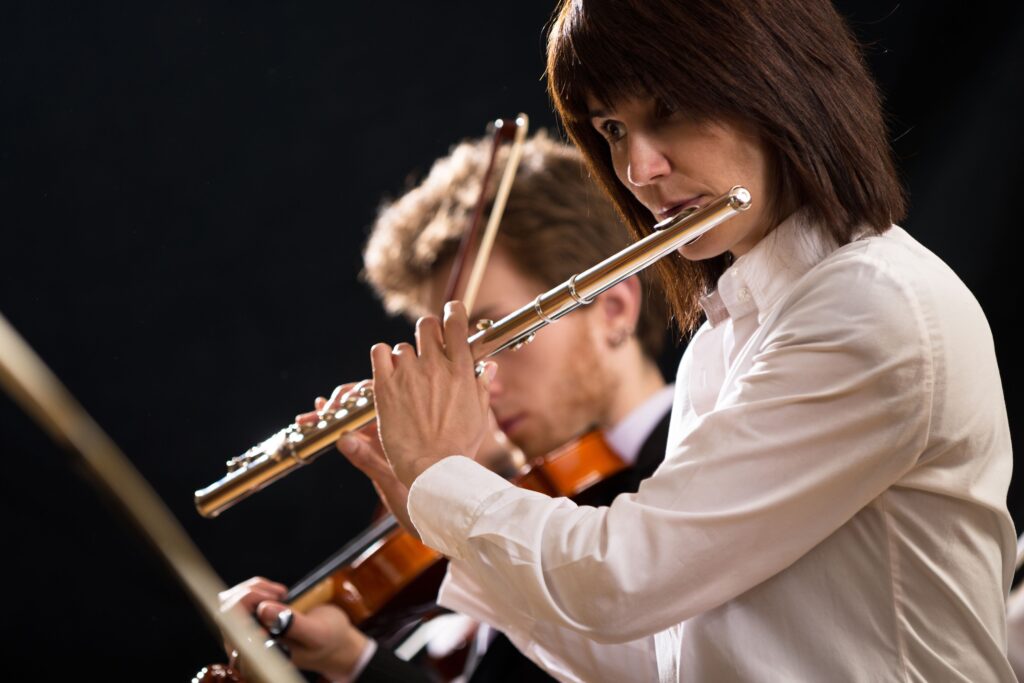
St Cecilia became the patron saint of musicians during the Renaissance period. Therefore, artists worldwide recognize her feast day with special performances. The legend tells of Cecilia singing to God during her wedding ceremony.

Moreover, this devotion to sacred music earned her lasting recognition. Consequently, musical guilds and societies adopted her as their patron. Today, orchestras and choirs maintain these meaningful traditions.
What Types of Music Celebrations Take Place?
European cities host diverse concerts featuring classical and contemporary works. For instance, London’s Royal Academy of Music organizes annual gala performances. Meanwhile, Amsterdam’s Concertgebouw presents special chamber music programs.
Besides traditional concerts, many churches hold sacred music services. Additionally, conservatories throughout Paris, Berlin, and Vienna organize student showcases. These events highlight emerging talent and celebrate musical excellence.
Street musicians also participate by performing in public squares. Thus, the celebrations reach beyond formal concert halls. Indeed, the day becomes a citywide tribute to musical arts.


How Are European Traditions Different?
Each nation brings unique customs to music celebrations honoring St Cecilia. For example, Italian cities feature processions with live ensembles. Spanish cathedrals present baroque music on historic organs.
Furthermore, Dublin’s musicians gather for traditional Irish sessions. Nevertheless, all traditions share common respect for musical heritage. The variations reflect Europe’s rich cultural diversity.
Polish communities combine folk music with classical repertoire. Similarly, Scandinavian countries emphasize choral singing traditions. These regional differences create fascinating cultural exchanges.







Co-production treaty and European cinema
Europe's co-production treaty network is one of the most consequential, yet least visible, forces in the films that reach your...

Infrastructure funds: a retail investor guide
Infrastructure funds listed in the EU give retail investors access to stable, long-term assets once reserved for institutions. But not...











What a beautiful article! Reading about how Europe celebrates St. Cecilia through music is truly inspiring. Thank you for sharing such a wonderful piece about these rich cultural and musical traditions.
Je ne savais pas qu’il y avait autant de célébrations dédiées à la Sainte-Cécile ! C’est vraiment beau de voir comment la musique et les traditions arrivent encore à rassembler autant de monde à travers l’Europe. Super article, très instructif
As someone who travels constantly and explores different cultures on a motorcycle, stumbling upon local music festivals is always a highlight of the journey. Celebrations like those for St. Cecilia bring such a unique, vibrant energy to European towns, especially as the colder months set in. It’s amazing how music is the universal language of the road. Thanks for highlighting this rich cultural tradition
Purcell’s Hail Bright Cecilia from 1692 still sounds shockingly modern when you hear it live.