

Why Lucia Day Festival Matters for Scandinavian Culture
Scandinavia’s Lucia Day festival represents one of the region’s most cherished cultural traditions alongside Midsummer celebrations. First, December 13 was historically the shortest day under the old Julian calendar before 1752 reforms. Additionally, Lucia Day festival addresses winter darkness profoundly affecting Scandinavian psychology and wellbeing.

The Lucia Day festival blends two powerful traditions into modern celebrations. Moreover, Saint Lucy of Syracuse martyrdom in 304 CE combined with ancient Norse beliefs about dangerous midwinter nights. For instance, Swedish folklore warned that evil spirits roamed during long darkness requiring vigilance and light. Meanwhile, staying awake through dangerous nights necessitated eating—explaining Lucia Day festival’s emphasis on traditional treats.
Consequently, Lucia Day festival serves both spiritual and practical purposes honoring heritage. Thus, modern celebrations preserve centuries-old customs while creating community bonds through shared cultural experiences.
Traditional Lucia Day Festival Processions and Ceremonies
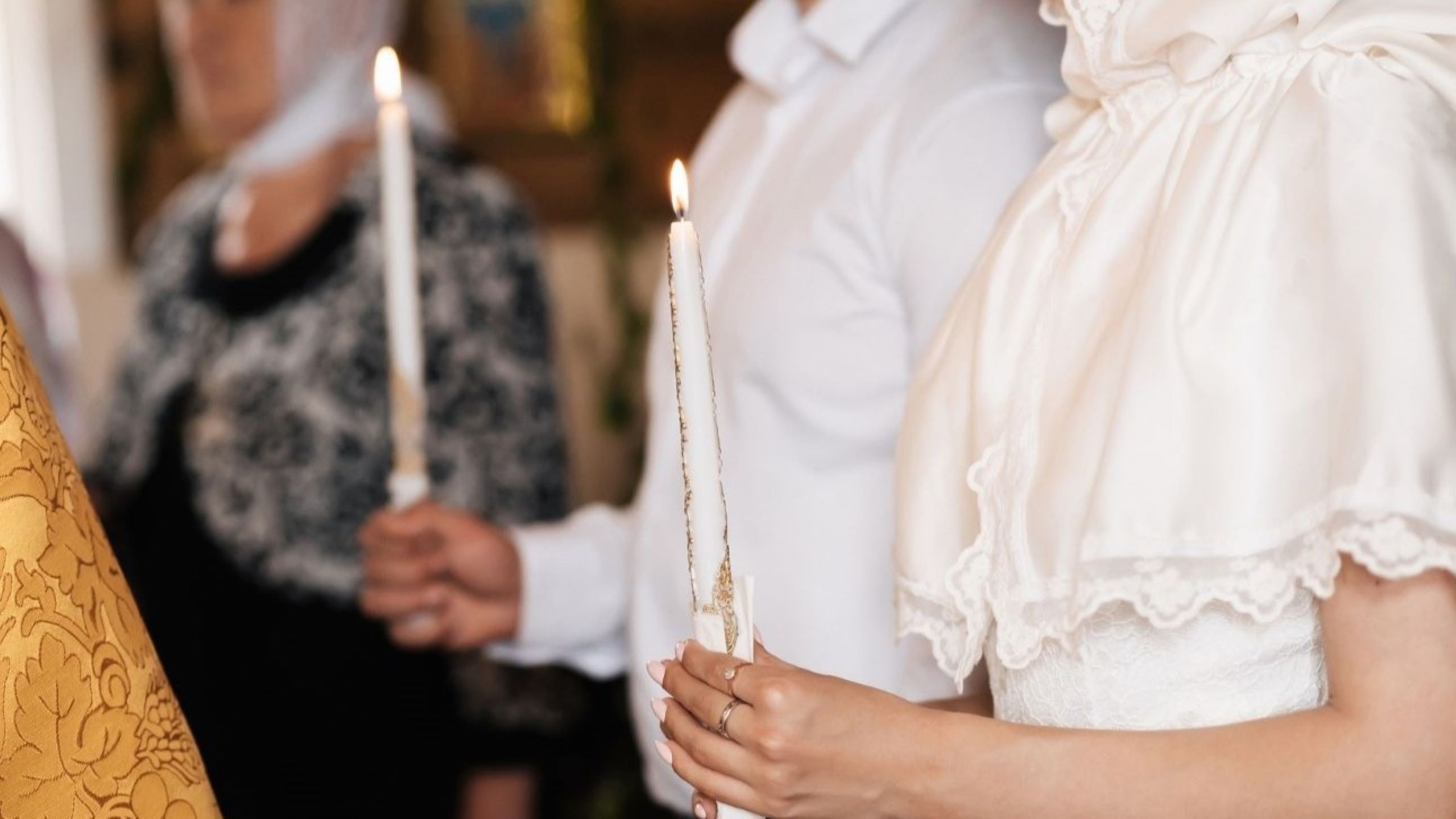
The iconic Lucia Day festival procession creates unforgettable visual spectacle combining candlelight, white robes, and haunting melodies. First, a young girl elected as Lucia wears white gown, red sash, and crown of electric candles representing “light in her hair.” Additionally, Lucia Day festival attendants include white-robed handmaidens (tärnor), star boys (stjärngossar), and sometimes gingerbread figures (pepparkaksgubbar).
Moreover, Lucia Day festival processions occur in churches, schools, workplaces, care homes, restaurants, and town squares nationwide. Furthermore, Stockholm elects its official Lucia through popular vote similar to beauty pageant competitions. For example, processions begin before dawn traditionally though modern Lucia Day festival events occur throughout December 13 for practical scheduling.

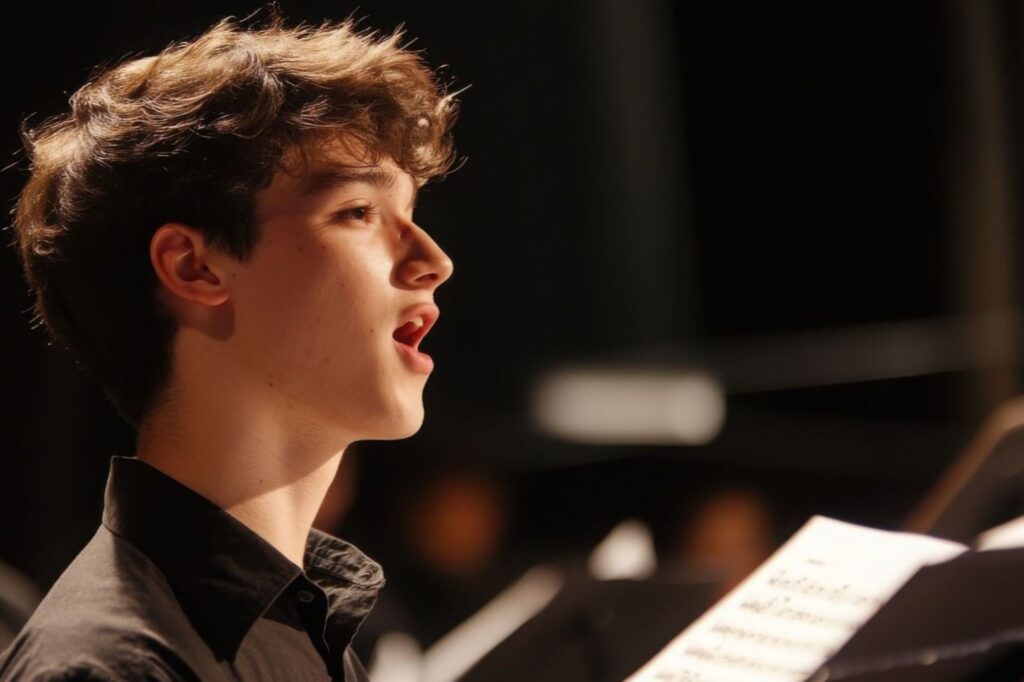
Meanwhile, participants sing traditional Lucia Day festival songs including Swedish lyrics to Neapolitan melody “Santa Lucia.” Consequently, these processions create powerful emotional experiences connecting participants with ancestral traditions. Thus, attending Lucia Day festival processions offers Europeans authentic cultural immersion impossible replicating elsewhere.
Lucia Day Festival Foods and Traditional Treats
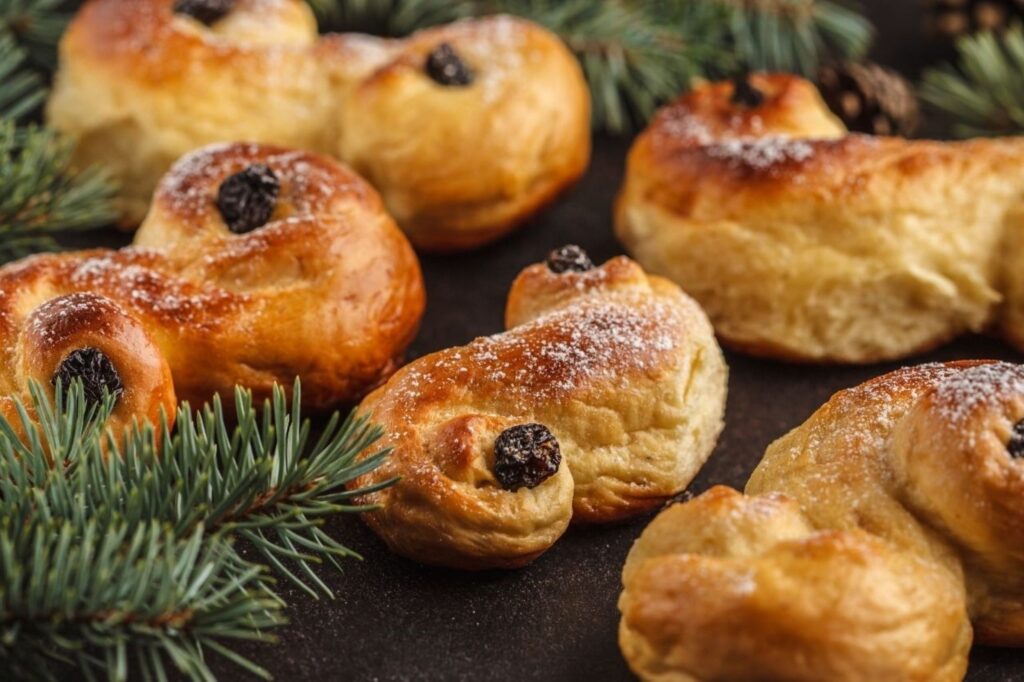
Culinary traditions form essential Lucia Day festival components reflecting historical survival needs during long winter nights. First, lussekatter (saffron buns) shaped like curled cats with raisin eyes represent Lucia Day festival’s most iconic food. Additionally, pepparkakor (gingerbread cookies) accompany saffron buns as traditional Lucia Day festival treats.
Moreover, Lucia Day festival celebrations feature glögg (Swedish mulled wine) served hot with alcohol or alcohol-free variants. Furthermore, coffee traditionally accompanies treats when Lucia Day festival is celebrated within families at dawn. For instance, Swedish homes observe Lucia Day festival with eldest daughter serving parents coffee and baked goods before sunrise wearing white gown and candle crown.






Meanwhile, Lucia Day festival food traditions ensure seven or nine hearty breakfasts historically helped families stay awake through dangerous nights. Consequently, modern Lucia Day festival maintains culinary customs honoring practical historical purposes. Thus, tasting authentic lussekatter and glögg creates essential Lucia Day festival experiences for European visitors.


Co-production treaty and European cinema
Europe's co-production treaty network is one of the most consequential, yet least visible, forces in the films that reach your...

Infrastructure funds: a retail investor guide
Infrastructure funds listed in the EU give retail investors access to stable, long-term assets once reserved for institutions. But not...
Conclusion: Lucia Day Festival Preserves Scandinavia’s Soul
Scandinavia’s Lucia Day festival demonstrates how ancient traditions evolve while maintaining cultural significance and community bonds. December 13 celebrations combining Christian martyrdom stories with Norse winter solstice customs create uniquely Scandinavian identity. Moreover, candlelit processions, traditional songs, lussekatter treats, and family rituals deliver profound cultural experiences.
From Stockholm’s grand church concerts to intimate family breakfast traditions, Lucia Day festival offers boundless participation opportunities. Additionally, participant testimonials prove Lucia Day festival creates lasting memories transcending mere tourism experiences. Therefore, Europeans should plan December travels experiencing authentic Lucia Day festival celebrations throughout Scandinavia.
Furthermore, Scandinavia’s commitment to preserving Lucia Day festival ensures sustained cultural transmission benefiting future generations. Indeed, the region’s dedication to light, community, and heritage creates unmatched festival excellence globally. Research Lucia Day festival events today, book Stockholm accommodations, and witness this magical festival of light.
Ready to experience Lucia Day festival magic? Visit Stockholm’s official Lucia Day festival guide, explore Visit Sweden’s tradition overview, and discover Scandinavia’s most enchanting December celebration!











What a beautiful and illuminating article! Learning about the St. Lucia Day traditions in Scandinavia is truly fascinating. It’s wonderful to see how these celebrations bring light and warmth during the winter season. Thank you for sharing such an insightful guide!
C’est fascinant de découvrir ces traditions scandinaves. Le festival de la Sainte-Lucie semble être un moment vraiment magique pour illuminer les sombres journées d’hiver. Ça donne envie de prendre la route vers le nord pour vivre cette atmosphère unique et chaleureuse en personne. Merci pour ce bel article de découverte
Spent December in Gothenburg with my partner last year and the Lucia procession in the cathedral was hands down the highlight of the trip.