

What Drives Fine Dining Economics in Europe?
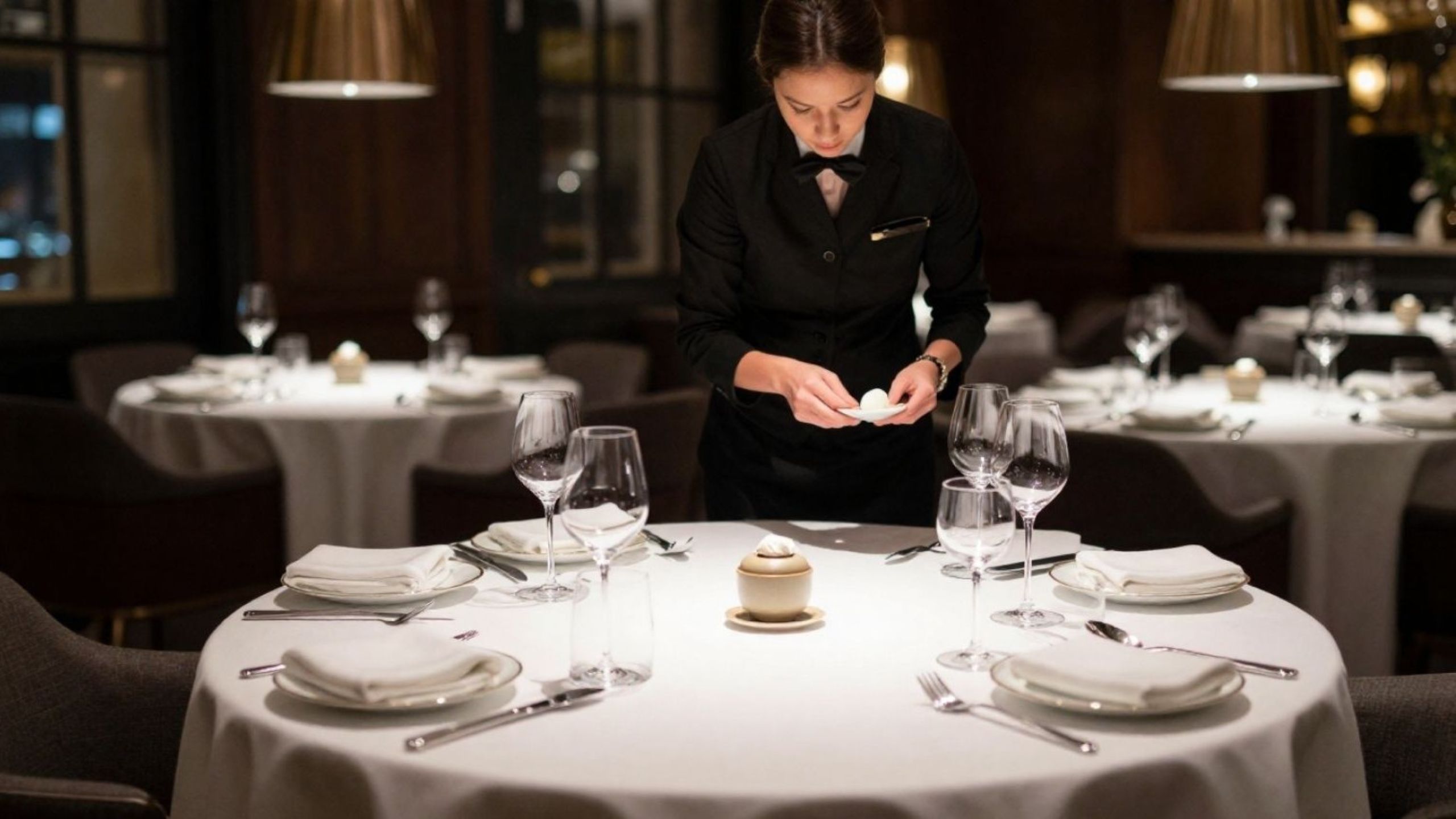
European fine dining market reaches €18 billion annually in 2026. Consequently, Michelin-starred establishments command premium pricing and loyal clientele. Industry analysts project 6.8% annual growth through 2030.

Additionally, culinary tourism accounts for 35% of luxury travel spending. Therefore, destination restaurants influence overall travel decisions significantly. Moreover, social media amplifies Michelin restaurant prestige and desirability.
Three-star Michelin restaurants average €450+ per person excluding beverages. For instance, wine pairings add €200-500 to total bill. Thus, high average check sizes generate substantial revenue per cover.
Which European Cities Lead Michelin Restaurant Investment?
Paris maintains position with 119 Michelin-starred restaurants currently. Furthermore, French capital attracts €2.4 billion annual culinary tourism spending. Restaurant groups expand acquiring iconic establishments strategically.
London hosts 71 Michelin-starred venues attracting international investors. However, Brexit impacts staffing availability and ingredient sourcing. Also, post-pandemic recovery drives renewed investment interest significantly.

Rome and Milan combine attract 68 Michelin stars across Italy. Meanwhile, Italian fine dining emphasizes regional traditions and ingredients. Certainly, heritage properties command premium acquisition valuations consistently.
Barcelona and Madrid showcase 45 Michelin-starred establishments total. For example, Spanish culinary innovation attracts global attention. Besides, Mediterranean lifestyle enhances overall dining destination appeal.
How Does Michelin Star Economics Impact Investment Returns?
Revenue premium of 40-60% above comparable non-starred restaurants. Nevertheless, Michelin recognition enables higher pricing without resistance. Specifically, reservations fill months ahead ensuring consistent demand.






Asset appreciation significantly exceeds standard restaurant valuations over time. On the other hand, three-star restaurants trade at 8-12x EBITDA. Additionally, brand value intangible assets increase with star retention.
Operating costs increase 30-50% maintaining Michelin standards consistently. For instance, ingredient quality, presentation, and service ratios elevated. Besides, continuous innovation required preventing star loss risk.
Investment multiples for Michelin-starred acquisitions reach €10-50 million depending. Thus, three-star establishments command highest premiums reflecting scarcity. Furthermore, chef reputation and location significantly influence valuations.
.


Co-production treaty and European cinema
Europe's co-production treaty network is one of the most consequential, yet least visible, forces in the films that reach your...

Infrastructure funds: a retail investor guide
Infrastructure funds listed in the EU give retail investors access to stable, long-term assets once reserved for institutions. But not...
How Do Regional Cuisine and Investment Structures Shape Opportunities?
French haute cuisine maintains traditional dominance commanding premium pricing. Therefore, classical techniques combined with innovation attract discerning diners. Paris alone supports 20 three-star Michelin restaurants currently.
Italian regional diversity enables specialization across Piedmont, Tuscany, and Sicily. However, authentic local ingredients and family recipes differentiate. Also, agriturismo concepts combine dining with accommodation experiences.
Spanish molecular gastronomy pioneered by elBulli influences global fine dining. Meanwhile, Barcelona and San Sebastián attract culinary pilgrims annually. Certainly, innovative techniques create signature dining destinations internationally.
Direct ownership of Michelin-starred establishments requires operational expertise. Nevertheless, chef partnerships and profit-sharing arrangements common. Specifically, popular structures include majority ownership with chef equity.
Restaurant groups acquiring multiple properties achieve economies of scale. However, centralized procurement and back-office functions reduce costs. Also, brand portfolio diversification spreads risk across concepts.
Chef dependency risk as Michelin stars follow individual chefs. Thus, contracts include non-compete and transition clauses protecting. Furthermore, economic sensitivity affects fine dining during recessions disproportionately significantly.











This is a fascinating and deep dive into the economics of European fine dining! The analysis of how Michelin stars impact investment returns and regional tourism is incredibly insightful. It’s clear that the blend of culinary artistry and strategic business discipline is what defines success in this sector. Thank you for sharing such a high-quality guide!
C’est passionnant de voir comment la haute gastronomie européenne continue de viser l’excellence pour 2026. Même si je suis plutôt habitué aux saveurs simples et authentiques dénichées lors de mes haltes sur la route, je trouve que le guide Michelin apporte une vraie valeur à la découverte du patrimoine. C’est toujours un plaisir de voir que la qualité reste une priorité. Bel article
Un análisis muy realista sobre el sector de la alta gastronomía. Entender que la apuesta por la calidad es una inversión en cultura y prestigio es clave para los próximos años. Es bueno comprobar que la búsqueda de la excelencia sigue marcando el camino del sector en 2026.