


Why Is Sustainable Fashion Dominating Europe?
European designers are leading the global shift toward ethical production. Consequently, spring fashion now emphasizes eco-friendly materials and transparent supply chains.

Furthermore, consumer demand for sustainable options has increased dramatically since 2024. Therefore, luxury and emerging brands alike invest in green innovations.
Government regulations across the EU enforce stricter environmental standards annually. Indeed, fashion houses must adapt or face significant penalties.
What Materials Define Spring Fashion Collections?
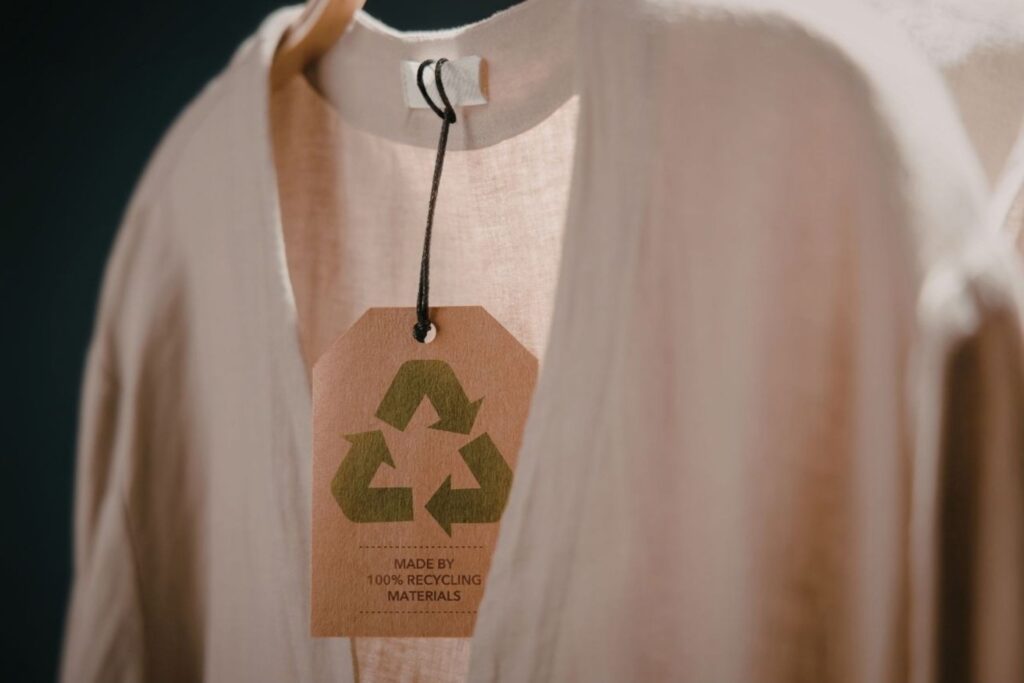
Sustainable collections feature innovative fabrics that minimize environmental impact significantly. Additionally, designers experiment with recycled materials and organic textiles extensively.
For instance, regenerated ocean plastics create stunning outerwear pieces. Moreover, organic cotton and hemp blends dominate casual wear lines.

Plant-based leather alternatives appear in accessories and footwear collections. Thus, fashion lovers enjoy cruelty-free options without sacrificing quality.
Which European Cities Lead Sustainable Fashion?
Paris, Milan, and Copenhagen showcase the most innovative spring fashion collections. Stockholm and Amsterdam follow closely with emerging designer talent.
Specifically, Copenhagen Fashion Week mandates sustainability requirements for all participating brands. Besides, the city has become Europe’s green fashion capital.






Berlin attracts independent designers focused on upcycling and circular fashion. Nevertheless, traditional fashion capitals still command global attention.


Co-production treaty and European cinema
Europe's co-production treaty network is one of the most consequential, yet least visible, forces in the films that reach your...

Infrastructure funds: a retail investor guide
Infrastructure funds listed in the EU give retail investors access to stable, long-term assets once reserved for institutions. But not...

How Are Designers Innovating Production Methods?
Spring fashion production embraces technology to reduce environmental footprints dramatically. Furthermore, digital design tools minimize fabric waste during development phases.
3D printing creates accessories and embellishments without excess material. Additionally, waterless dyeing techniques eliminate chemical runoff entirely.
Local manufacturing reduces transportation emissions significantly across Europe. Thus, collections maintain shorter supply chains with better oversight.
Blockchain technology ensures transparency from raw materials to finished products. Meanwhile, customers verify ethical practices through mobile applications.











What an inspiring look at the 2026 Spring fashion trends! It is wonderful to see such a strong emphasis on sustainable collections in Europe. Thank you for sharing these conscious and stylish ideas for the upcoming season!
I really enjoyed reading about these sustainable fashion trends for Spring 2026! It’s encouraging to see the industry moving towards more eco-friendly practices without compromising on style. Thank you for this insightful update!
Cet article propose une analyse remarquable et visionnaire des tendances qui façonneront la mode européenne au printemps 2026. Il est particulièrement inspirant de constater comment la durabilité est passée d’un simple concept de niche à un impératif central de la création contemporaine.
L’accent mis sur l’innovation textile et l’économie circulaire témoigne d’une réelle maturité de l’industrie, où l’esthétique ne se fait plus au détriment de l’éthique. En mettant en avant des collections qui respectent à la fois l’environnement et le savoir-faire local, vous soulignez l’importance d’une mode plus consciente et résiliente.
Un grand merci pour ce tour d’horizon complet qui nous permet de mieux comprendre les enjeux de demain. C’est précisément ce genre d’initiatives qui encourage les consommateurs à privilégier la qualité et la transparence. Une lecture indispensable pour quiconque s’intéresse à l’avenir du luxe et du prêt-à-porter responsable.
Copenhagen Fashion Week requiring sustainability standards from every brand that participates is honestly the kind of policy shift that actually moves the needle. Not a voluntary pledge, not a badge you buy. A requirement. I’ve been following the slow fashion space for years and that detail stood out to me more than anything else in this piece.