

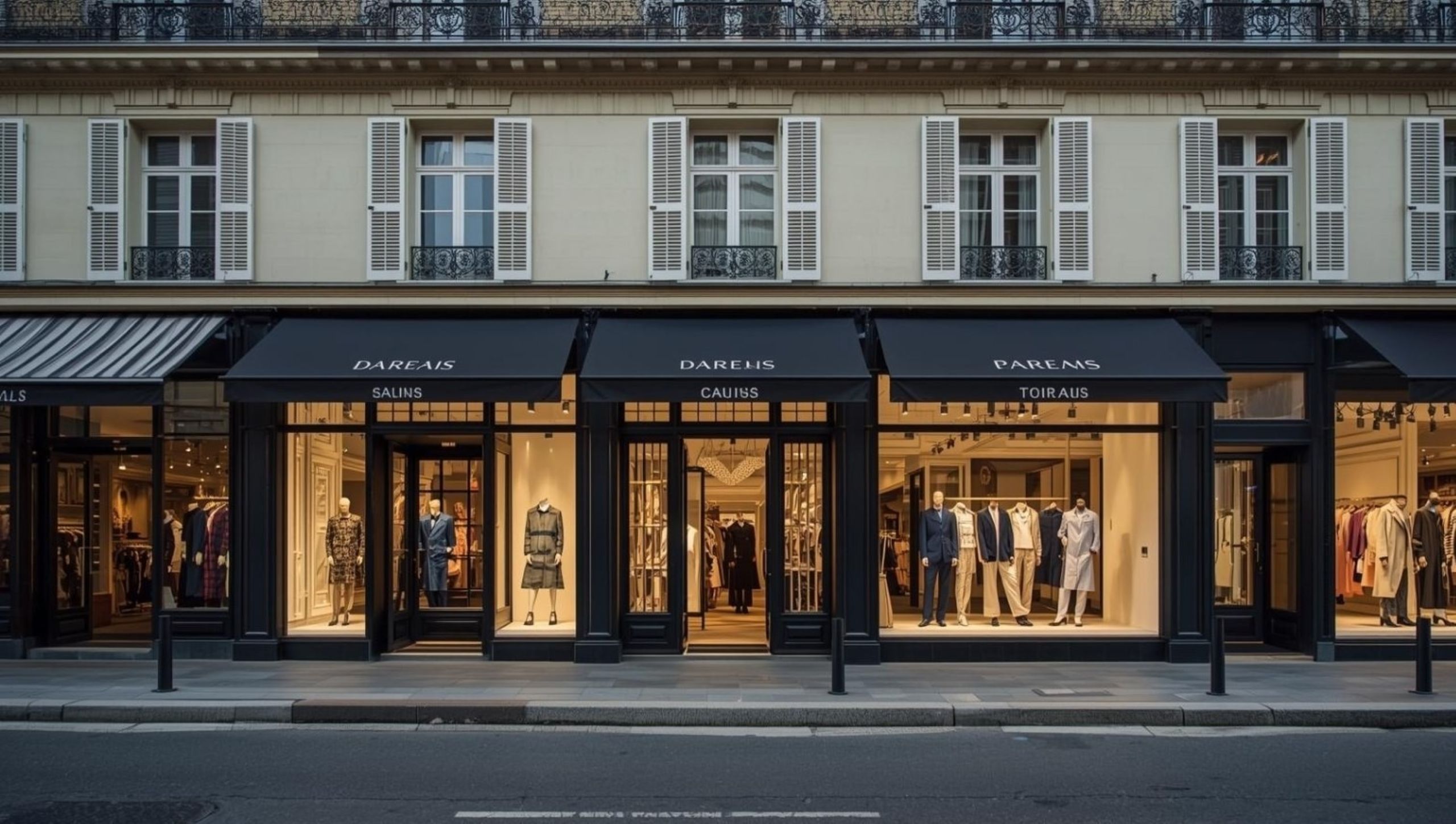
Why Does Luxury Fashion Define European Retail?
European luxury fashion heritage spans centuries with brands like Hermès, Chanel, and Gucci. Furthermore, the continent produces 75% of global luxury goods consumed worldwide. This dominance stems from craftsmanship traditions and cultural appreciation for quality.

Additionally, European cities attract millions of tourists seeking authentic luxury fashion experiences. International visitors contribute €90 billion annually to European luxury retail sales. This tourist spending proves essential for flagship stores and shopping districts.
Meanwhile, local European consumers maintain strong luxury fashion purchasing habits despite economic cycles. For instance, Italian, French, and German shoppers prioritize quality over quantity. This sophisticated consumer base sustains premium retail even during downturns.
What Drives Luxury Fashion Performance in Europe?
Chinese tourist spending historically powered European luxury fashion growth until 2023 restrictions. Moreover, wealthy Asian shoppers sought better prices and authentic products in Europe. These international purchases represented 30-40% of luxury fashion revenue traditionally.
Additionally, European affluent consumers drive consistent luxury fashion demand across the continent. The region’s high-income earners regularly purchase designer goods as lifestyle investments. This stable domestic market provides predictable revenue for premium brands.

Sustainability and heritage storytelling increasingly boost luxury fashion performance in Europe today. Specifically, brands emphasizing craftsmanship, longevity, and environmental responsibility attract younger buyers. These values align perfectly with European consumer priorities and regulations.
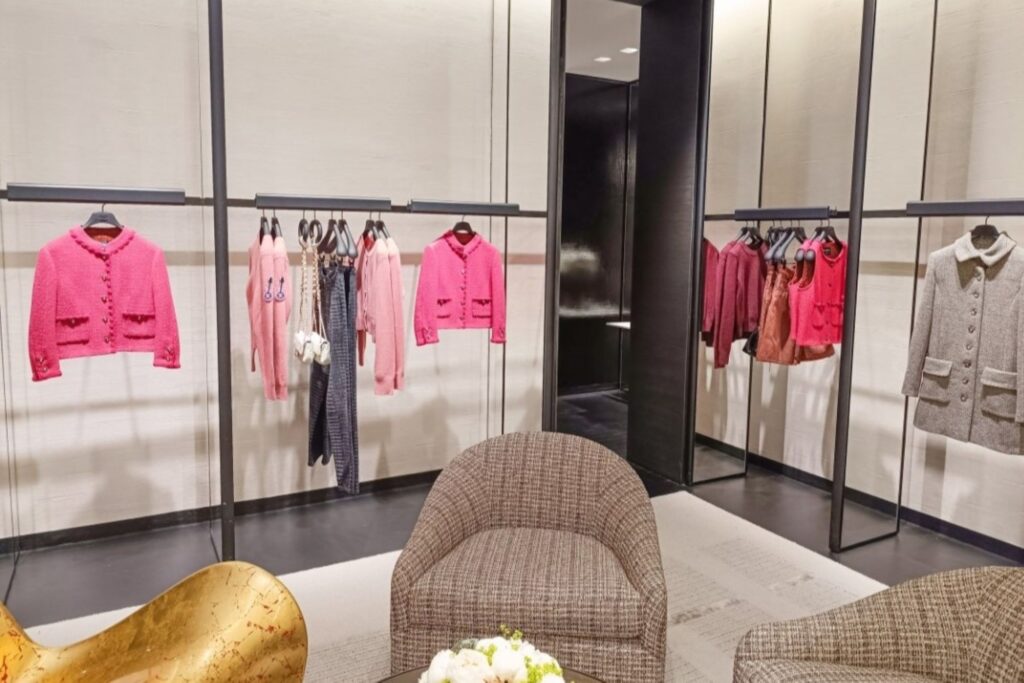
How Do Mall Economics Support Luxury Fashion?
European shopping districts blend historic architecture with modern luxury fashion retail seamlessly. Furthermore, locations like Paris’s Avenue Montaigne and Milan’s Via Montenapoleone command premium rents. These prestigious addresses justify costs through extraordinary foot traffic and brand prestige.
Additionally, luxury fashion anchors mixed-use developments across European cities increasingly over time. Indeed, premium brands activate street-level retail in residential and office complexes. This integration creates vibrant urban environments driving property values upward significantly.






Mall developers in Europe compete for exclusive luxury fashion partnerships through unique incentives. For example, Galeries Lafayette Paris and Harrods London offer unmatched brand exposure. These flagship locations shape European luxury fashion retail landscapes and tourist itineraries.


Co-production treaty and European cinema
Europe's co-production treaty network is one of the most consequential, yet least visible, forces in the films that reach your...

Infrastructure funds: a retail investor guide
Infrastructure funds listed in the EU give retail investors access to stable, long-term assets once reserved for institutions. But not...
Conclusion: Luxury Fashion Anchors European Retail Economics
Luxury fashion retail establishes Europe’s position as the global centre of premium commerce. Furthermore, brand performance is a key driver of vitality in shopping districts and tourism revenue across major cities. The relationship between luxury fashion and the health of the European economy remains inseparable and strategic.
Therefore, it is crucial for retail investors and economists to understand luxury fashion metrics. It is important to monitor performance indicators, tourist patterns and brand strategies closely throughout the year. Indeed, the success of European luxury fashion reflects broader continental prosperity and consumer confidence.
Are you ready to invest in European retail? First, analyse luxury fashion performance across key markets.











This is such a comprehensive and forward-looking analysis of the luxury retail sector! It’s fascinating to see how the European market is projected to evolve by 2026. Thank you for sharing these valuable economic insights!
Une analyse particulièrement perspicace de la dynamique économique qui régit le secteur du luxe en Europe à l’aube de cette année 2026. Cet article souligne avec justesse que nous assistons à un tournant paradigmatique où la résilience opérationnelle et la transparence radicale deviennent désormais les nouveaux piliers de la valeur de marque.
Le passage d’une stratégie axée uniquement sur le produit vers une approche centrée sur l’expérience holistique et le sens profond répond parfaitement aux attentes d’une clientèle européenne de plus en plus exigeante et consciente. L’intégration des passeports numériques de produits et l’optimisation des chaînes d’approvisionnement via le ‘nearshoring’ ne sont plus de simples options, mais des impératifs stratégiques pour maintenir la compétitivité face à la volatilité macroéconomique actuelle.
C’est une lecture essentielle pour comprendre comment le luxe européen parvient à conjuguer héritage artisanal et innovation technologique (IA, data analytics) pour redéfinir le retail de demain. Merci pour cette perspective éclairée qui apporte une réelle profondeur au débat sur l’avenir de l’élégance durable et de la rentabilité à long terme.
Article très pertinent ! Avec les défis économiques actuels en 2026, c’est fascinant de voir comment les grandes marques de luxe européennes réinventent leurs stratégies de vente. Merci pour cette lecture.
Un enfoque muy acertado sobre la economía del lujo. Entender que el valor real de este sector no es solo el producto, sino la experiencia y la calidad excepcional, es clave para comprender su resiliencia en 2026. Es positivo ver que se sigue apostando por la excelencia como motor económico.