

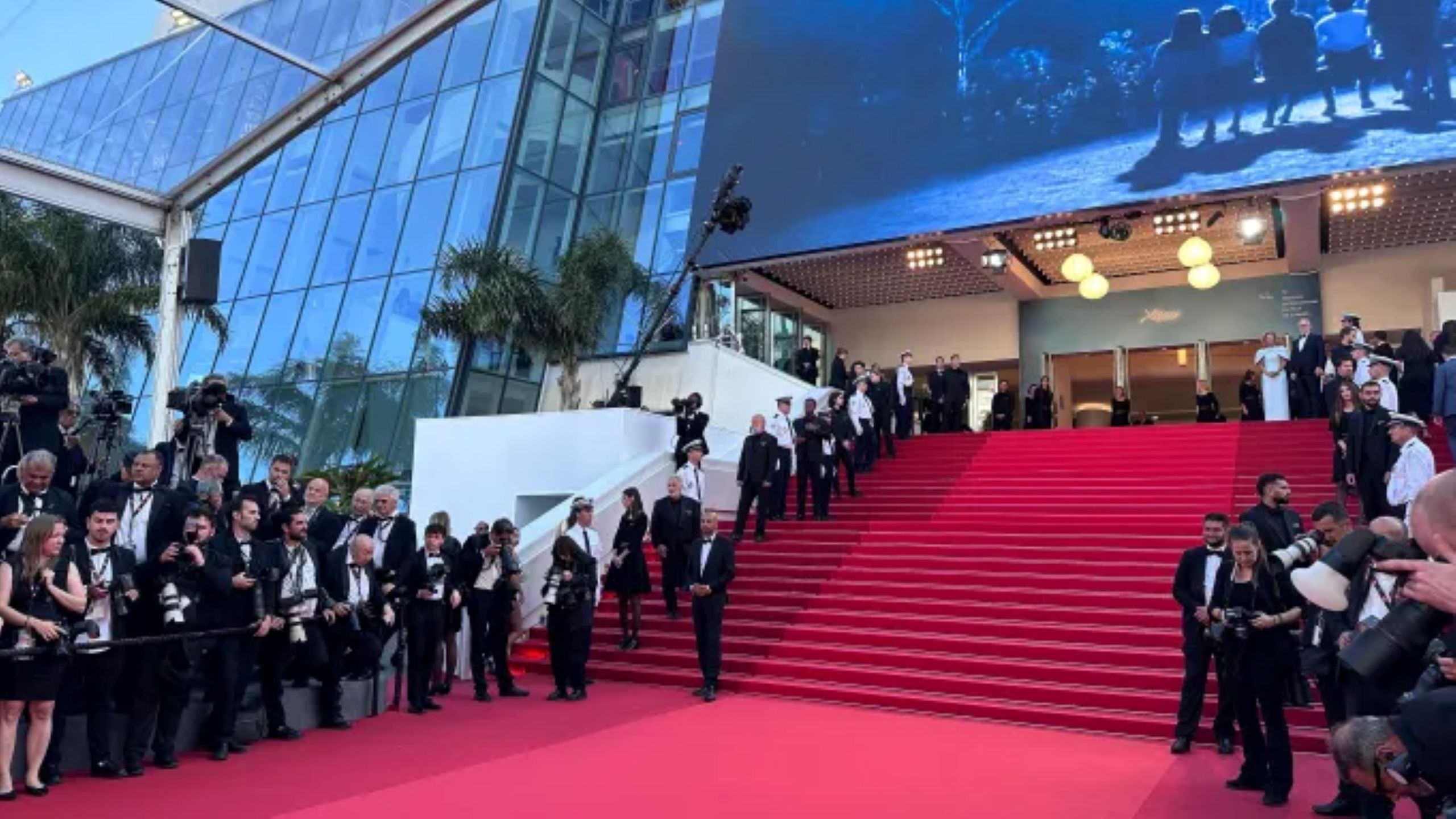
Why Cannes Is the Centre of European Film Finance
The Marché du Film is the largest film market in the world. More than 12,000 industry professionals attend each year. For European producers, it is the primary venue for securing distribution deals, co-production agreements, and private equity commitments.

Cannes 2026 arrives at a significant moment for European cinema. Streaming platforms have reduced pre-sales in many territories. Traditional broadcasters are investing less in independent film. As a result, producers must arrive at the Marché with stronger packages and more financing already in place.
Film investment has become a pre-market activity. Projects that reach Cannes without confirmed funding are at a significant disadvantage. The most competitive packages combine public subsidies, co-production frameworks, and private capital from the earliest stages of development.
What Is the Cannes Investors Circle?
The Cannes Investors Circle is one of the most closely watched events at the Marché du Film. Now in its 4th edition, the 2026 programme takes place on 16 and 17 May at the Plage des Palmes. It presents 8 new feature film projects from internationally recognised directors to a selected group of private investors.
The event is structured across 2 days. The first day features public panels focused on film financing models and the growing role of brands in cinema investment. The second day is a private, invitation-only session. Selected directors pitch their projects directly to investors in curated one-on-one meetings.

Project budgets in the 2026 selection range from 1 million euros to more than 12 million euros. This wide range reflects a deliberate effort to connect investors with projects at different stages of development. Furthermore, the Investors Circle is expanding its activities beyond Cannes through year-round workshops and industry events across Europe.


How Does EU Funding Support European Film Production?
The Creative Europe MEDIA programme is the primary EU funding instrument for European cinema. In 2026, the programme marks its 35th anniversary. It continues to support development, distribution, and international circulation of European audiovisual works.
Additionally, the EU launched MediaInvest, a 200 million euro equity investment fund managed by the European Investment Fund. MediaInvest does not replace subsidy funding. Instead, it attracts private and institutional investors into the European audiovisual sector alongside public money.






New partnerships signed between 2024 and 2025 include investments with funds based in France and Finland. MediaInvest aims to attract a further 400 million euros in private capital over a 7-year period. For producers, this represents a significant expansion of available film investment beyond traditional grant funding.

Co-production treaty and European cinema
Europe's co-production treaty network is one of the most consequential, yet least visible, forces in the films that reach your...

Infrastructure funds: a retail investor guide
Infrastructure funds listed in the EU give retail investors access to stable, long-term assets once reserved for institutions. But not...












Honestly the Finnish Impact Film Fund getting an EIF guarantee line was the detail I didn’t expect to read about today. Small country, ambitious move.
Le chiffre de 2 523 longs métrages produits en Europe en un an, c’est impressionnant. Et pourtant on peine encore à trouver ces films hors de leurs frontières nationales. C’est exactement le paradoxe que Creative Europe essaie de résoudre depuis 35 ans.
Los mercados de coproducción en Cannes siguen siendo el corazón latente de toda la industria. Sin estos acuerdos transfronterizos, el cine en español tendría muy difícil llegar a las salas comerciales de otros países europeos.
The shift toward sovereign capital at the Marché is something the article really should dig into if it hasn’t already. Saudi, UAE and South Korean funds arriving with their own IP and their own mandates is genuinely new territory. European producers who’ve spent years building relationships only within the Creative Europe framework are walking into meetings with some serious blind spots right now.
The stat about seven Cannes competition films being MEDIA-supported says everything you need to know about why this funding matters. Pull it and European cinema collapses overnight.