

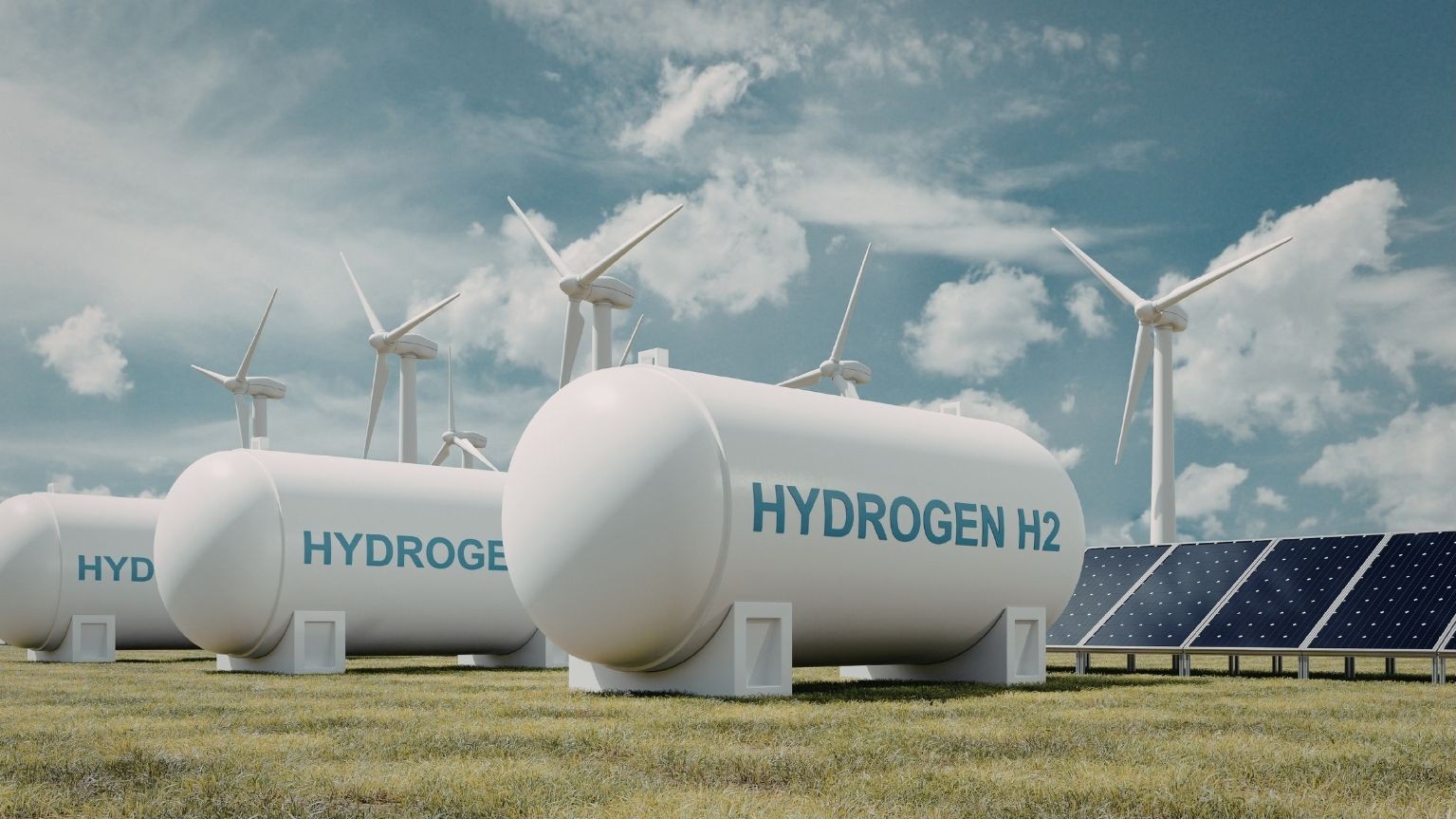
Why Does Green Hydrogen Investment Dominate European Energy Strategy?
European green hydrogen strategy addresses energy security following geopolitical disruptions and fossil fuel dependencies. Furthermore, the REPowerEU plan allocates €100 billion specifically for hydrogen infrastructure development. This government commitment reduces investment risk while ensuring long-term demand for projects.

Additionally, green hydrogen enables decarbonization of hard-to-electrify sectors like steel, chemicals, and aviation. For instance, industries requiring high-temperature heat cannot transition to battery electric solutions. This necessity creates captive markets justifying substantial capital investments in production capacity.
Meanwhile, European regulatory frameworks including carbon pricing make green hydrogen increasingly cost-competitive with fossil alternatives. Specifically, EU carbon credits now exceed €80 per ton making clean hydrogen economically viable. This policy environment accelerates commercial viability improving investment return timelines significantly.
What Are Key Green Hydrogen Investment Opportunities?
Production capacity represents the primary green hydrogen investment category requiring massive capital deployment. Moreover, electrolyzers converting renewable electricity into hydrogen need €1-2 million per MW capacity. European targets require 40 GW electrolyzer capacity by 2030 representing €80+ billion opportunity.
Additionally, hydrogen storage and pipeline infrastructure require substantial green hydrogen investment filling existing gaps. For example, repurposing natural gas pipelines for hydrogen transport costs €200,000-500,000 per kilometer. The European Hydrogen Backbone network spanning 53,000 km creates multi-billion euro investment needs.

Green hydrogen applications in transportation, industry, and power generation offer downstream investment opportunities. Specifically, hydrogen fuel cell vehicles, industrial boilers, and backup power systems scale rapidly. These end-use markets ensure demand for production investments creating integrated value chains.
How Do European Countries Compare for Green Hydrogen Investment?
Germany leads European green hydrogen investment with €9 billion national strategy through 2030. Moreover, the country targets 10 GW domestic electrolyzer capacity plus imports from partners. Established industrial base and renewable energy capacity create favorable investment conditions consistently.
Additionally, Spain emerges as Europe’s green hydrogen production hub due to exceptional solar resources. For instance, southern regions achieve electrolyzer capacity factors exceeding 4,000 hours annually versus 2,000-3,000 elsewhere. This efficiency advantage reduces levelized hydrogen costs by 30-40% improving investment returns.






The Netherlands focuses on green hydrogen import infrastructure and industrial clusters around Rotterdam port. Furthermore, the government commits €750 million for hydrogen valley development projects regionally. This strategic positioning enables import/export opportunities diversifying revenue streams for investors.


Co-production treaty and European cinema
Europe's co-production treaty network is one of the most consequential, yet least visible, forces in the films that reach your...

Infrastructure funds: a retail investor guide
Infrastructure funds listed in the EU give retail investors access to stable, long-term assets once reserved for institutions. But not...

Conclusion: Green Hydrogen Defines European Energy Future
Investment in green hydrogen is crucial for Europe’s transition to energy independence and carbon neutrality. Furthermore, government support, industrial demand and improving economics are creating favourable conditions for investors. Investing in this emerging sector can offer substantial financial returns alongside environmental impact.
Therefore, investors should conduct thorough due diligence, carefully evaluating technology, markets and policy frameworks. When allocating capital to opportunities, consider risk tolerance, investment horizons, and portfolio diversification. European green hydrogen investment requires a long-term perspective, but it offers transformational potential.
Are you ready to invest in clean energy? Analyse green hydrogen opportunities and develop entry strategies today.











This is a very insightful guide on the future of green hydrogen in Europe for 2026! It provides a clear overview of investment opportunities and the shift toward sustainable energy. Thank you for sharing such a valuable and forward-looking resource.
This is a very comprehensive and timely guide on the future of green hydrogen in Europe! The detailed analysis of investment opportunities and the shift toward sustainable energy is incredibly valuable for anyone looking to enter this sector in 2026. Thank you for sharing such an insightful and forward-looking resource!
Ce guide d’investissement sur l’hydrogène vert en Europe pour 2026 est une ressource inestimable pour quiconque cherche à comprendre les rouages de la transition énergétique actuelle. L’article démontre avec brio que l’hydrogène vert n’est plus seulement une promesse technologique, mais un pilier central de la souveraineté industrielle et de la décarbonation européenne.
J’ai été particulièrement impressionné par l’analyse détaillée des mécanismes de financement et des incitations réglementaires qui structurent désormais ce marché en pleine expansion. En soulignant l’importance des infrastructures transfrontalières et de l’innovation dans les électrolyseurs, vous offrez une vision à 360 degrés des opportunités et des défis qui attendent les investisseurs.
C’est un travail de synthèse remarquable qui confirme la position de leader de l’Europe dans la course vers la neutralité carbone. Merci pour cet éclairage stratégique qui permet de mieux appréhender l’avenir d’un mix énergétique durable et rentable. Une lecture indispensable pour les décideurs engagés dans la révolution verte.