
The Tour de France 2026 is the 113th edition of the world’s most famous cycling race, starting in Barcelona on 4 July and finishing in Paris on 26 July. This year’s edition is exceptional. The route covers 3,333 kilometres and features a total elevation gain of 54,450 metres across 21 stages. The race features 5 summit finishes, a historic double finish on Alpe d’Huez, and a return of the Montmartre climb in Paris. Whether you are planning a trip to the roadside or following from home, this guide covers everything you need to know about the Tour de France 2026.
How Does the 2026 Tour de France Start?
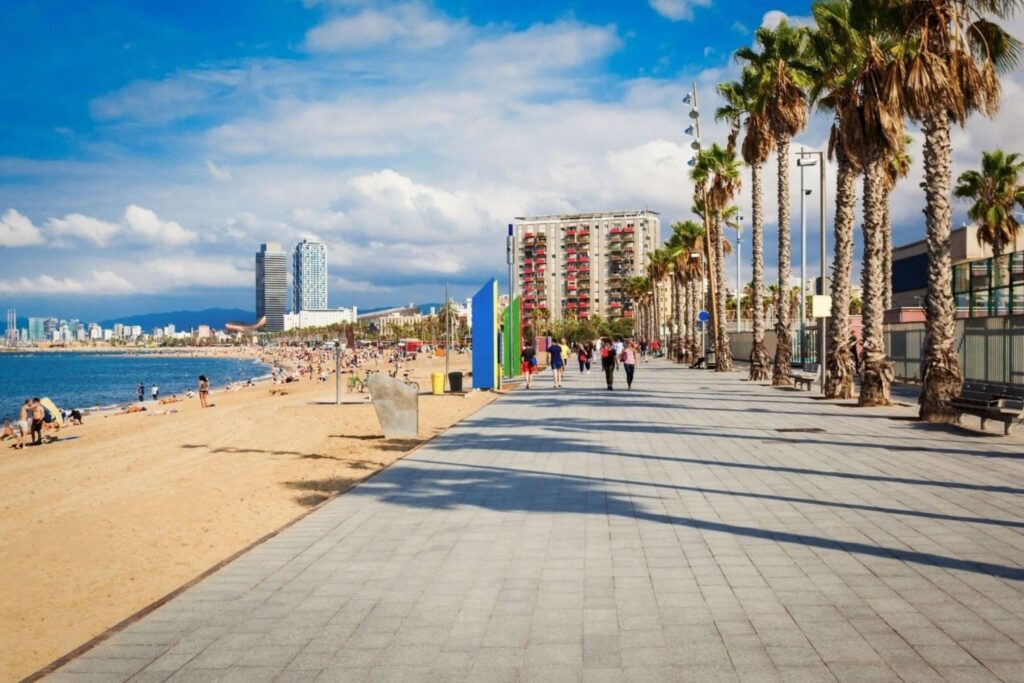
The Tour de France begins with a team time trial in Barcelona on 4 July. This is the first time the race has opened with a team time trial since 1971. The opening stage covers 19.7 kilometres, with a flat early section and a hilly finale. The first yellow jersey goes to the rider from the fastest team.

Stage 2 takes riders on a 178-kilometre route with 2,400 metres of climbing, finishing on a circuit around Montjuïc, Barcelona’s iconic city hill. The stage passes Gaudí’s Sagrada Família before the teams tackle 2 climbs to the Montjuïc Olympic Stadium.
Stage 3 crosses the Pyrenees with nearly 4,000 metres of climbing and an uphill finish, marking the race’s first entry into France. The battle for the yellow jersey can begin as early as this stage. Climbers who arrive in top condition will look to make an immediate impact.
What Are the Key Mountain Stages to Watch?
The 2026 Tour de France features 8 mountain stages with 5 summit finishes, including Gavarnie-Gèdre, Plateau de Solaison, Orcières-Merlette, and Alpe d’Huez on 2 separate occasions. These stages will determine the final classification.
Stage 6 features both the Col du Tourmalet and the Col d’Aspin before a summit finish at the Cirque de Gavarnie, a UNESCO World Heritage Site and a first-ever Tour summit finish at this location. Furthermore, Stage 14 passes through the Vosges Mountains with 3,800 metres of climbing across 7 ascents, making it one of the hardest days in the second week.
Stage 20 is the most demanding day of the entire race, featuring the Croix de Fer, the Col du Télégraphe, the Col du Galibier, and the Col de Sarenne, with over 5,000 metres of elevation gain before the final climb to Alpe d’Huez. This stage will almost certainly decide the overall winner.
What Makes the Double Alpe d’Huez Finish Special?
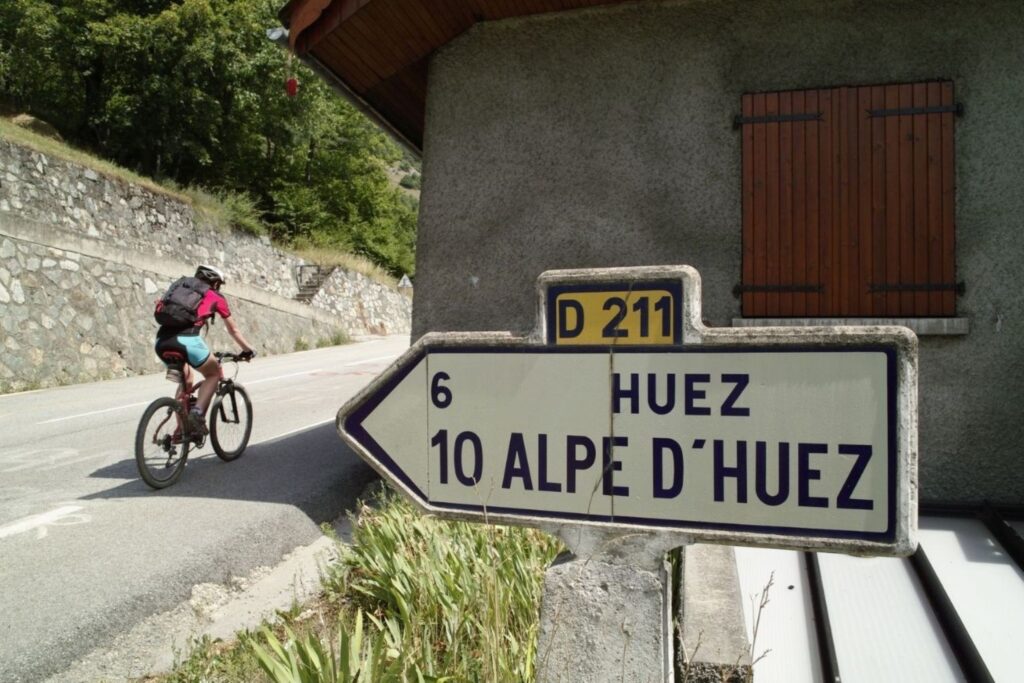
The 2026 Tour de France returns to Alpe d’Huez for the first time since 2022, featuring 2 separate summit finishes on consecutive stages 19 and 20. This double finish is the defining feature of this year’s route and the moment every fan is waiting for.
Stage 19 runs from Gap and tackles 3 lesser climbs before the ascent of Alpe d’Huez, while Stage 20 is significantly harder, with more than 5,000 metres of total elevation gain. The 2 stages together will produce more than 10,000 metres of combined climbing across just 2 days.

For fans attending in person, arriving at Alpe d’Huez 2 to 3 days early is strongly recommended to secure the best viewing positions. The mountain is famous for its carnival atmosphere, with fans from across Europe camping on the slopes for days before the peloton arrives.

Expert Perspectives on Tour de France 2026
Industry perspective — professional cycling analysts and sports journalists across the European Union:
The 2026 route is designed to produce a decisive and unpredictable race. The combination of an early team time trial, limited individual time trial distance, and 8 mountain stages strongly favours pure climbers. There are very few opportunities for a general classification contender to recover after a bad day.
The double Alpe d’Huez finale is the most significant route decision of recent years. Organising 2 consecutive summit finishes on the same mountain forces riders to perform at their absolute limit on consecutive days. It removes any possibility of managing a deficit through a steady tempo ride.
Mountain stages at Gavarnie and Plateau de Solaison earlier in the race add additional pressure before the final week even begins. This edition rewards consistent climbing ability across 3 full weeks, not simply a strong final act.
EU Ecolabel products: choose with confidence
The EU Ecolabel flower on a household product means more than a green claim. It signals independently verified environmental quality...
Aqua parks in the EU worth a detour
The European Union offers a remarkable range of aqua parks, from vast thermal complexes in Bavaria to Caribbean-themed coastal resorts...
How Can Fans Watch the Tour de France 2026 for Free?
Around 12 million spectators line the roadsides of the Tour de France each year, making it the world’s largest free annual sporting event. For most roadside viewing, no ticket is required. Fans stand on public roads, claim a spot early, listen for the publicity caravan, and then watch the peloton pass.
VIP hospitality villages are available at select stage finishes, typically priced from 80 to 350 euros per person. Official ticketing is handled exclusively via letour.fr, the ASO’s official race platform. Additionally, grandstand seating in Paris or at start and finish towns usually goes on sale in spring. VIP hospitality packages provide gourmet catering and views of the final kilometres at select alpine locations.
For fans who cannot travel, the Tour de France is broadcast live across Europe on free-to-air and paid television channels. Every stage is available to follow in full, with extensive commentary and live timing available on the official Tour de France website and app.
What Travel Tips Should Fans Know Before Attending?
Planning early is essential for any fan attending the Tour de France 2026 in person. Accommodation near mountain stages and in Paris books out months in advance. The following tips will help fans make the most of the experience.
By air, Barcelona El Prat airport serves the Grand Départ, Paris CDG or Orly for the finale, and Lyon or Geneva for the Alpine stages. By train, the TGV network is the most efficient way to follow the race across France.
Road closures on mountain stages typically occur 12 to 24 hours before the peloton arrives. Fans driving to mountain stages must plan their route carefully and check local authority websites for closure times. Most experienced spectators choose 2 or 3 stages in person, typically 1 city stage for accessibility and 1 mountain stage for atmosphere. That combination gives the best overall experience of the race.
Conclusion: The Tour de France 2026 Is Not to Be Missed
The Tour de France 2026 is shaping up to be one of the most spectacular editions in recent memory. A Grand Départ in Barcelona, 8 gruelling mountain stages, and a historic double finish on Alpe d’Huez create a race that will test every rider to their limit. For fans, the opportunity to watch the world’s greatest cycling event from the roadside remains completely free. Plan your trip early, choose your stages carefully, and prepare for 3 weeks of unforgettable sport across some of Europe’s most beautiful landscapes.


54,450 metres of total vertical gain over three weeks is just brutal arithmetic. Pogacar versus Vingegaard on the Sarenne is going to be must-watch television.
The Plateau de Solaison stage with that 11.3km climb at 9.2% average is going to absolutely shred the peloton in week two. We’re driving down from the UK to watch stage 15 with friends and the planning has already started. Anyone done the roadside camping there before?
3,333 km and over 54,000 metres of climbing is brutal even by Tour standards. Pogačar must be licking his lips at that second Alpe d’Huez stage honestly.