

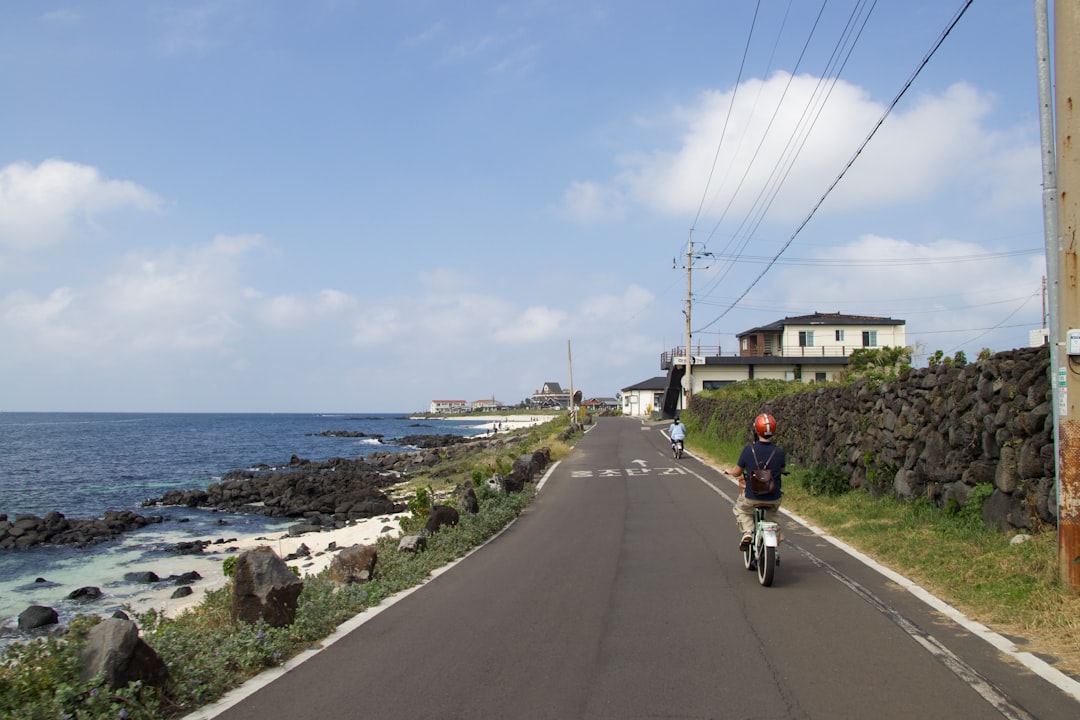
Coastal cycling in the EU is no longer a niche weekend hobby. It sits at the centre of Europe’s sustainable transport agenda, and late July gives you maximum daylight, warm temperatures, and a fully operational support network to make it work.
Why late July is the right moment to ride
Summer brings vibrant local festivals and extended daylight hours along Europe’s cycling routes. For coastal cycling specifically, southern routes such as EuroVelo 8, the Mediterranean Route, can be very hot in summer, while northern routes including EuroVelo 1, 10, and 12 are best cycled from June to August. That balance matters when you choose your destination. Plan the north in July. Save the deep south for spring or autumn.

The practical case is also clear. E-bikes are suitable for most routes, with charging points available in many locations. Cycling holidays in Europe are shifting, with the focus no longer on elite climbs or race-level endurance but instead on routes designed for everyday riders who want manageable distances, good infrastructure, and time to enjoy where they are. That is good news for anyone planning a first coastal tour.
The EU network behind these routes
Official cycling infrastructure such as the EuroVelo network, managed by the European Cyclists’ Federation, connects more than 50,000 km of bike routes across Europe in 17 long-distance corridors. The updated total length of the network is now 91,812 km, of which 63,157 km is ready to cycle, and 38,457 km is already signed with EuroVelo signage.
Cycling tourism benefits the wider region by supporting sustainable transport, healthier lifestyles, territorial cohesion, and local economic diversification, aligning with EU priorities for green transition and sustainable mobility. In other words, when you ride a certified coastal route, you are not just taking a holiday. You are participating in a policy outcome that the European Commission actively funds and measures.
4 certified coastal cycling routes to ride now
1. EuroVelo 1, Atlantic Coast Route (France, La Vélodyssée). The French section of EuroVelo 1, nationally branded as La Vélodyssée, is a 1,300 km route following the coast of France from Roscoff in Brittany to Hendaye in the Basque Country. It is the second EuroVelo route to reach the level of development required for EuroVelo Certification. For July, ride the Brittany or Vendée sections: Atlantic winds keep temperatures manageable.

2. EuroVelo 1, Galicia extension (Spain). The European Cyclists’ Federation recently announced the extension of EuroVelo 1 in Galicia, Spain, from Tui on the Portuguese border to Cape Fisterra. The route now connects with EuroVelo 3 through scenic Galician coastal landscapes. This addition is fresh, well signed, and avoids peak heat.
3. EuroVelo 10, Baltic Sea Cycle Route (Germany and Denmark sections). The South Baltic part of EuroVelo 10 is highly qualitative, with a majority of the route being traffic-free and 82% of the route on perfect or good quality surfaces. The route features very few climbs. It is predominantly flat but occasionally windy due to its proximity to the sea. Most parts follow the coastline or remain in close proximity to it. Of all the sections around the Baltic Sea, northern Germany offers one of the most attractive stretches, with a varied and scenic coastline, rich cultural background, and excellent cycling and accommodation infrastructure.
4. EuroVelo 8, Mediterranean Route (Greece). Greece added 1,300 km of EuroVelo 8 by mapping suitable continuous itineraries using its secondary road network and existing cycling infrastructure. These routes are considered safe in terms of traffic volume and speed and meet all criteria for accommodation and related services. EuroVelo routes in Greece are now 96% developed. Avoid midday heat by riding early and resting from noon to 15:00.
Expert perspective on coastal cycling
Coastal cycling tourism has moved well beyond a leisure trend. Long-distance routes like EuroVelo are now recognised as strategic tourism assets that attract international visitors and support local businesses. Investing in route quality, consistent signage, and harmonised standards across borders is the only way to compete globally. Destinations that align with EU sustainability frameworks see stronger visitor returns and more resilient local economies. The data shows it: routes with certified infrastructure record measurably higher usage growth than unsigned alternatives.
Industry perspective, sustainable cycling tourism and EU route development professionals
4 more routes worth your July planning
5. Netherlands coastal knooppunten network. The Netherlands remains one of the easiest places to cycle in Europe, with more than 35,000 km of bike paths. Routes between Utrecht, Amsterdam, and The Hague combine city riding with coastal stretches and countryside. The numbered knooppunten system makes navigation simple, allowing riders to customise distances and routes with minimal planning.
6. Portugal Atlantic coast (Porto to Lisbon corridor). This coastal route blends moderate daily stages of 50 to 90 km with varied terrain that eases as you head south. It links 2 of Portugal’s most vibrant cities while passing beaches, small towns, and Atlantic viewpoints. July sea breezes on the western coast make afternoon riding pleasant.





7. Croatia, Adriatic coast (Istria). The Cycle Tourism Index, created by Bikenomist and Komoot, gives a clear view of which European regions attract international cyclists, using 2025 activity data from 14 countries to show where riders actually go. In summer, Croatia’s Adriatic coast ranks at the top. Istria took first place overall, with Primorje-Gorski Kotar in Croatia finishing third. Ferry connections between islands add flexibility for multi-day riders.
8. EuroVelo 12, North Sea Cycle Route (Netherlands and Belgium). EuroVelo 12 was the first European route, opened in June 2001, covering 6,000 km through England, Scotland, Norway, Sweden, Denmark, Germany, the Netherlands, and Belgium. The Dutch and Belgian coastal sections deliver flat, signed infrastructure with easy train access for multimodal flexibility. Combining the bicycle with trains or buses makes cycling holidays sustainable and opens many more options.
Plan your coastal cycling route today
Coastal cycling is one of the EU’s most concrete green transport opportunities, and the infrastructure is now good enough to back that up with real rides. These 8 routes deliver certified paths, practical logistics, and strong connections to Europe’s sustainable mobility goals. Choose your route based on climate preference and fitness level. Book accommodation early, download GPX tracks from EuroVelo.com, and confirm e-bike charging points before you leave. Coastal cycling rewards preparation, not spontaneity. Start planning this week, not next.
Discover more about coastal cycling
- EuroVelo: Official EU Coastal and Long-Distance Cycling Route Network
- EuroVelo 2025 Route Development Status Report, European Cyclists’ Federation
- Europe’s best destinations and routes for cycling holidays, Euronews, April 2026