
Bergen's Haukeland University Hospital runs one of Europe's longest-standing light therapy programmes for winter depression, and its results explain why Nordic health systems treat the condition as a medical case rather than a passing mood. Patients who finish a two-week course there recover at rates the hospital's own psychiatrists call remarkable. That single result explains why light therapy clinics now operate from Bergen to Stockholm to Oulu, shaped by different national health rules and research priorities. This piece maps where Nordic residents can find real treatment, and what happens once they book an appointment.
Haukeland hospital turns light therapy into a prescription
Every autumn, demand rises sharply at Haukeland University Hospital in Bergen. The hospital notices a large increase in people who want light therapy. Staff see the same pattern each year around the same weeks, when daylight hours drop fast on Norway's west coast.
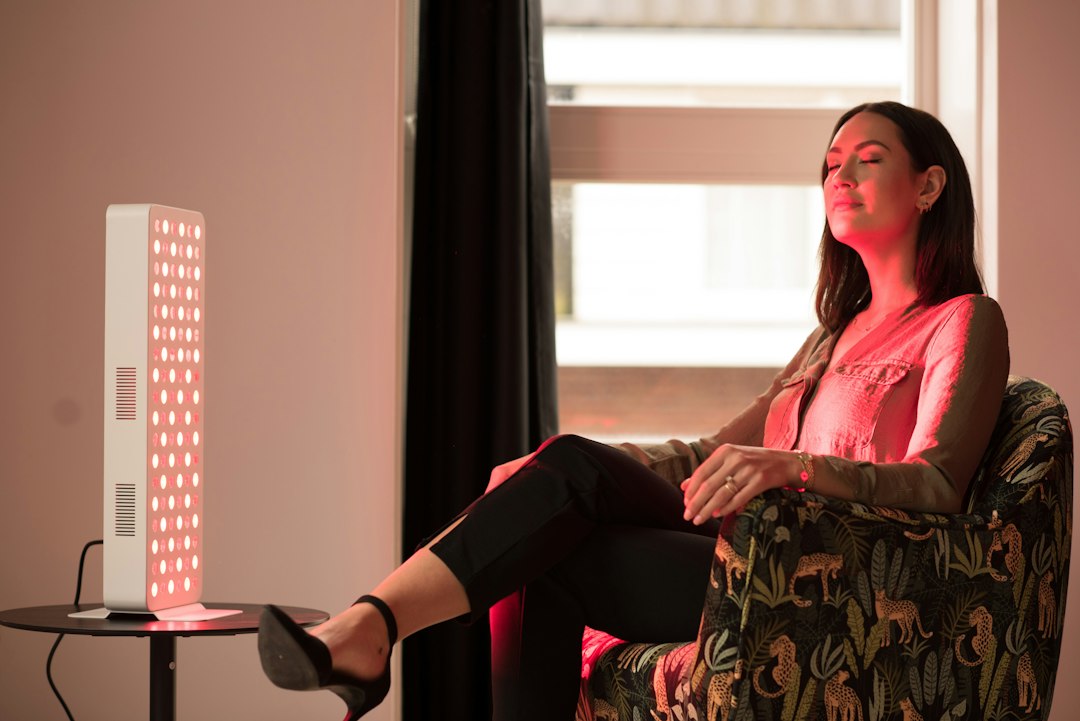
Professor Fred Holsten, who works in psychiatry at the hospital, notices more visits to his office at this time of year. The numbers he reports are striking. Over 80 percent of patients recover fully after 14 days of light treatment. The hospital uses specially built light boxes that produce light matching a summer morning outdoors.

This is not a wellness gadget handed out on request. It runs through the hospital's psychiatric division, with a protocol timed to the darkest weeks of the year. Anyone in western Norway who suspects seasonal depression can start by asking a general practitioner for a referral to this kind of hospital-based programme, rather than buying a lamp online first.
Stockholm's Iglo Lightcafé turns daylight into a ritual
Sweden took a different route. The Iglo Lightcafé, opened in Stockholm in 2004 by Martin Sylwan, became Sweden's and possibly the world's first light café. Instead of a clinical waiting room, visitors get a shared public space built entirely around brightness.
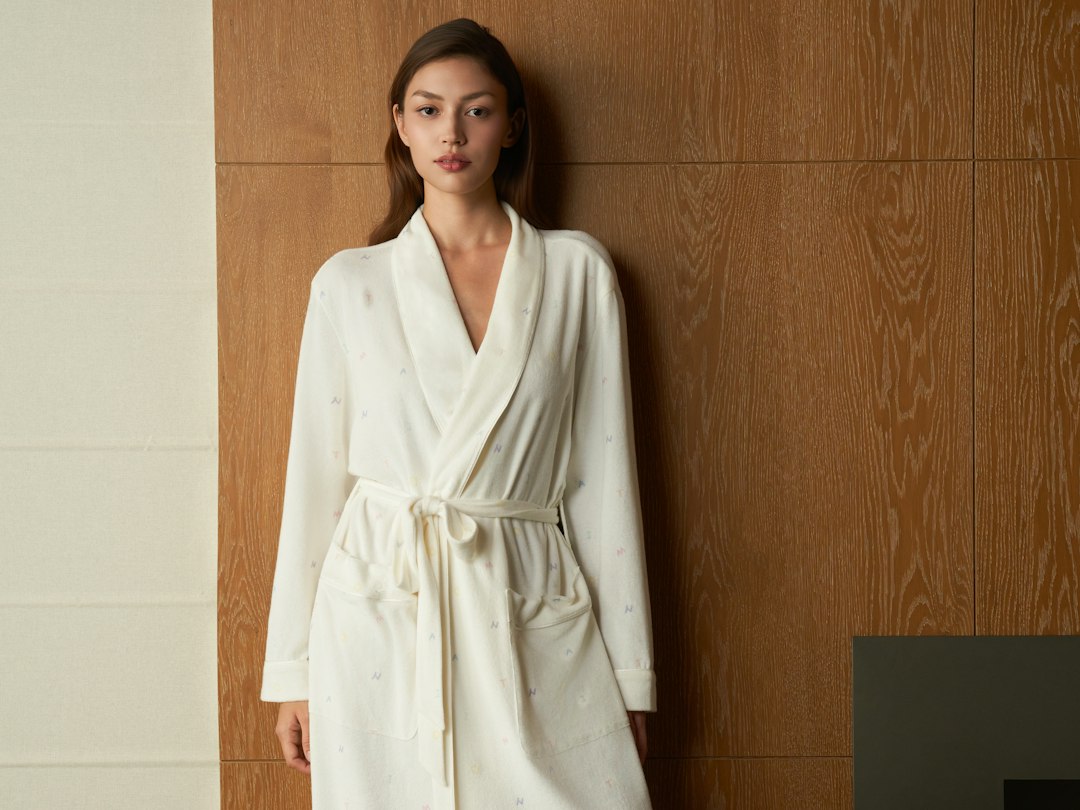
Rather than sitting next to a single light box, the whole room is illuminated with constant, unshadowed rays. On entering, visitors put on white robes and can buy food and drink or even take breakfast there. The format turns a medical routine into something closer to a café visit, which may explain why it has lasted two decades in a city with some of Europe's shortest winter days.
Academic researchers in Sweden back the underlying method, even if they package it differently. Christian Benedict, a pharmacology professor at Uppsala University, recommends light therapy both for people with seasonal affective disorder and for those with a milder case of winter low mood. He points to a morning routine using devices that emit light about 20 times brighter than ordinary indoor lighting. The research he cites supports using light at roughly 10,000 lux, a measure of brightness, for 30 minutes every morning. That figure now appears in product listings and clinic protocols across the region, so it is worth checking before buying any device.

Oulu runs Finland's trials for next-generation phototherapy
Finland has pushed furthest into research rather than retail. In Oulu, a city near the Arctic Circle, a partnership between the University of Oulu, Oulu University Hospital and two commercial partners has tested treatments that go beyond the standard light box. Bright light therapy is widely accepted as the first-line treatment for seasonal affective disorder, yet the exact mechanism behind it remains only partly understood.
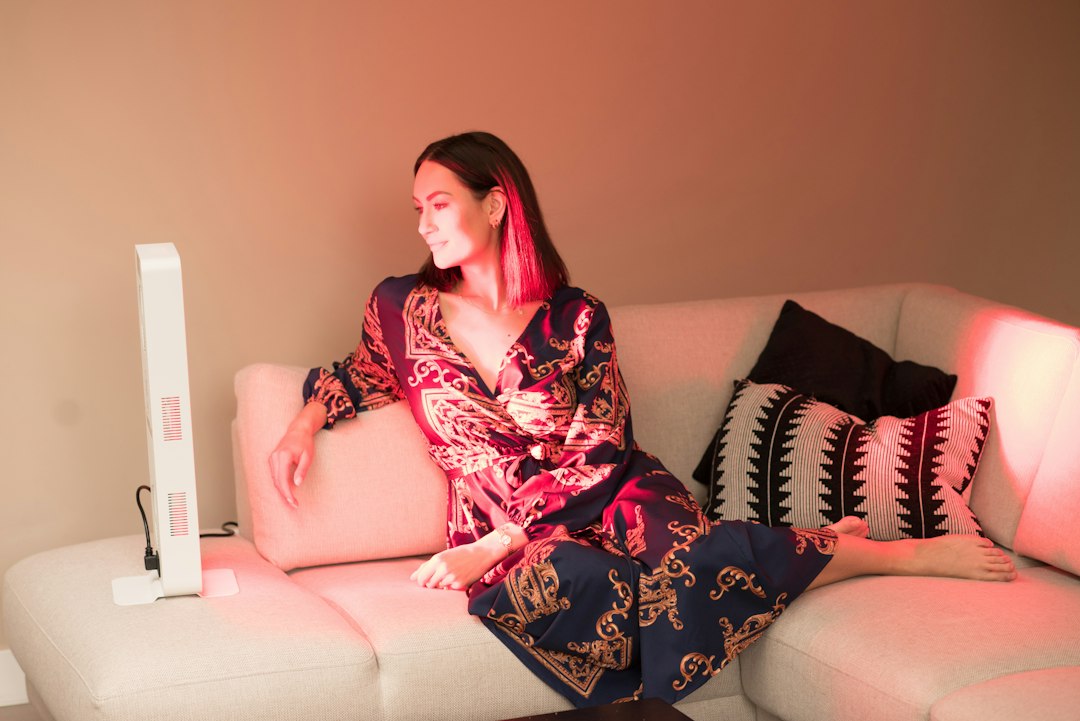
That gap drove one specific trial. Because light can penetrate the skull and influence brain serotonin levels through pathways outside the eyes, researchers ran a randomised, placebo-controlled, double-blind study testing transcranial bright light as a treatment for seasonal affective disorder. Rather than a lamp on a desk, this method delivers light through an in-ear device, a genuinely different delivery route from the light box used in Bergen or Stockholm.
The trial recruited through a specific clinical address. The research unit operated through ODL Terveys Oy at Albertinkatu 18 A in Oulu. Readers should not expect to walk in off the street, since these were structured research protocols with strict eligibility rules, but the existence of the programme shows Finland treating winter depression as an active research question, not a settled matter.
Does light therapy actually work everywhere?
The honest answer is more complicated than any clinic brochure suggests. A Swedish professor interviewed years ago raised a point still worth repeating. There is no conclusive medical proof for the effectiveness of phototherapy, according to the professor. In her words, "we don't really know how effective light therapy is" scientifically.
The research since then has narrowed the gap without closing it. The prevalence of seasonal affective disorder itself ranges from 1.5 percent to 9 percent, depending on latitude. That range alone shows the condition does not strike every northern resident equally, and genetics, lifestyle and even diet likely play a role alongside daylight hours.






On the treatment side, a Cochrane meta-analysis found a meaningful signal. The odds ratio for remission with light therapy was similar to that of many pharmaceutical treatments for depression. That is a real, measurable effect, not a placebo dressed up as medicine, but it is also not a guaranteed cure for every patient who sits under a lamp. Light therapy remains one of the first-line treatments for fall-onset seasonal affective disorder, which is why Nordic hospitals keep funding it, but patients with bipolar disorder need medical supervision first. Anyone with bipolar disorder should tell their doctor before starting light therapy, since this matters for how it gets prescribed.
If you accept that light therapy works for some people some of the time, rather than everyone all the time, the Nordic model starts to make sense. Three different countries built three different access points, a hospital protocol in Bergen, a public café in Stockholm, a research pipeline in Oulu, because no single format suits every patient. The practical step is simple: start with a general practitioner rather than a shopping cart. Ask whether a hospital-based programme exists nearby, check whether a device meets the roughly 10,000 lux standard researchers cite, and track symptoms over two full weeks before judging the result. Winter will return, but the response to it no longer has to be guesswork.
Learn more about light therapy
- Light Therapy for Seasonal Affective Disorder – Mayo Clinic
- Light therapy for seasonal affective disorder – Mayo Clinic
- Light therapy for preventing seasonal affective disorder, Cochrane review (PMC)