

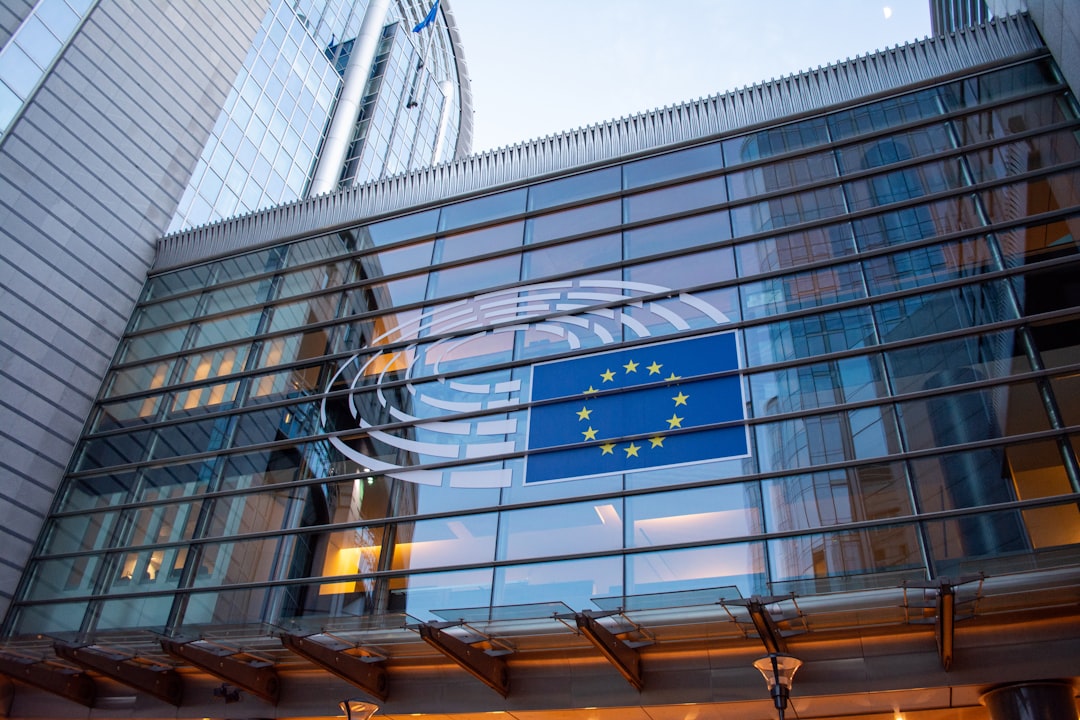
Europe is confronting a deepening crisis of fake news and foreign interference that is energising populist forces across the continent. Brussels has responded with an arsenal of new digital rules, but the threat keeps evolving faster than the laws designed to stop it. The stakes, analysts warn, have never been higher for the future of the European project.
The fear driving Brussels into action
Disinformation is no longer a fringe concern in Europe; it sits at the centre of mainstream political debate. According to a Special Eurobarometer survey, 79 percent of Europeans are worried about disinformation influencing voters, while 70 percent fear foreign interference in elections. Those figures alone explain why EU institutions have moved with unusual urgency. Tackling foreign information manipulation and interference, and enhancing societal resilience against these threats, are pressing issues for the European Union and its member states. The fear is not abstract. Coordinated operations from state and non-state actors now routinely flood social media with content designed to weaken confidence in democratic institutions, stoke cultural grievances, and amplify populist messaging that Brussels struggles to counter. According to Atlantico, European policymakers describe this environment as one where the boundary between organic political discontent and manufactured outrage has become dangerously difficult to identify.

How manipulation campaigns work on the ground
The mechanics of modern disinformation campaigns are sophisticated and scalable. Analysts identify three core functions: a preparatory phase that erodes trust in institutions and sows doubts about electoral processes; an operational phase aimed at directly influencing electoral behaviour and polarising public opinion; and a supporting phase in which informational narratives reinforce other instruments of aggression, such as cyberattacks or economic pressure. Documented operations exposed by the European External Action Service and national authorities include the False Facade, Portal Kombat, and Doppelgänger campaigns. An investigative report called “Operation Overload” by Finnish software company Check First documented how suspicious accounts contacted more than 800 fact-checkers and media outlets in over 75 countries in a coordinated effort to drain their capacity to respond. Social media algorithms accelerate the damage. Recent elections have highlighted how recommender systems can amplify disinformation and foreign propaganda, potentially skewing civic discourse and electoral outcomes.

The EU’s legislative response
Brussels has deployed a substantial body of law in response. Important legislation adopted in recent years includes the Digital Services Act, the AI Act, and the Act on Transparency and Targeting of Political Advertising. The Digital Services Act obliges online platforms to combat the spread of illegal content and safeguard users’ fundamental rights online, particularly freedom of expression and information. New transparency rules for political advertising ban the sponsoring of political ads from outside the EU in the three months ahead of elections and make it easier for citizens to identify sponsored content and who pays for it. The AI Act adds another layer: the regulation specifically recognises AI-generated disinformation as a particular and rising threat to electoral processes and civic discourse. In February 2025, the Commission endorsed the integration of the voluntary Code of Practice on Disinformation into the Digital Services Act framework, making the Code a benchmark for determining platforms’ compliance. Enforcement, however, remains uneven, and critics argue that political will has not matched the ambition written into the laws.
Populism profits from the information void
The connection between disinformation and populist electoral gains is well documented. As the European Union struggled to counter the financial crisis that began in 2009, populist and anti-establishment movements emerged as new electoral forces across Europe. Those movements have since learned to exploit algorithmic platforms effectively. Disinformation actors from inside and outside the EU seek to undermine the integrity of the electoral process, erode trust in democratic processes, and sow division and polarisation in European societies. Disinformation actors have pushed false information about how to vote, discouraged citizens from voting, or sought to sow division by hijacking high-profile or controversial topics. The pattern is self-reinforcing: the more citizens distrust mainstream media and official institutions, the more receptive they become to alternative narratives circulated by populist channels, whether those narratives originate domestically or arrive via foreign influence operations.
Can Europe hold the line?
The EU’s response is comprehensive on paper, but its real-world effectiveness remains uncertain. Ensuring the success of these legislative instruments depends on effective enforcement, and the Commission has a key role to play given both the enforcement powers entrusted to it and its general role as guardian of the Treaties. In the November 2025 Democracy Shield, the Commission reaffirmed its commitment to enforcing EU law against major platforms but did not announce any new concrete initiatives. Geopolitical tensions complicate matters further, as transatlantic disagreements over content moderation create pressure on platforms caught between competing regulatory regimes. The EU is working in close cooperation with like-minded partners outside the bloc via forums such as the G7 Rapid Response Mechanism to build a broader coalition against information warfare. The challenge for European democracy is not just legal or technical; it is fundamentally political. When fake news shapes the environment in which voters form opinions, every election becomes a test of whether the EU’s open information space can survive the forces determined to exploit it.