

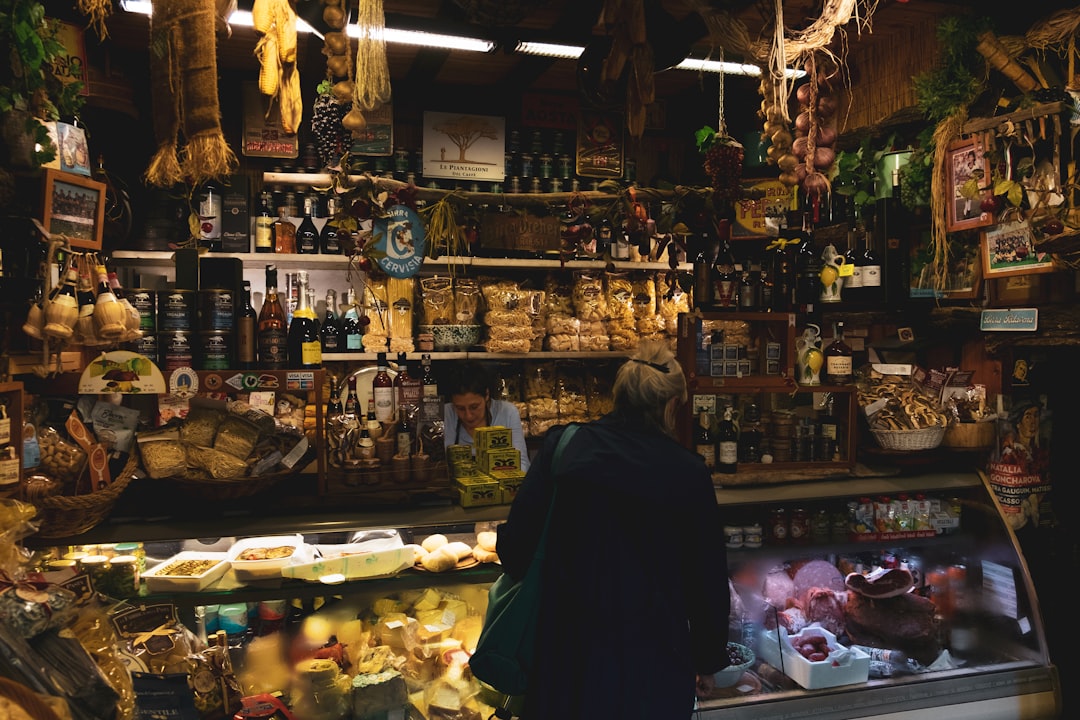
EU geographical indication foods represent the most eloquent argument Europe has ever made for slowing down: they ask you to travel, to taste in place, and to let a landscape speak through what is on your plate.
What the EU geographical indication system protects
The EU geographical indication system protects the names of products that originate from specific regions and have specific qualities or enjoy a reputation linked to the production territory. This is not simply a label. These designations protect the reputation of specific product names, the regional and traditional production processes, or other essential elements such as local breeds or plant varieties that shape culinary heritage throughout Europe.

Three EU schemes of geographical indications and traditional specialties, known as protected designation of origin (PDO), protected geographical indication (PGI), and traditional speciality guaranteed (TSG), promote and protect names of agricultural products and foodstuffs, wines and spirits. Together, they form a legal architecture that connects flavour to place. As of May 2025, about 4,000 names were registered in the EU’s geographical indications register, eAmbrosia.
For PDOs, the raw ingredients need to come from the region of origin where all steps of production must take place. For PGIs, at least one of the stages of production, processing or preparation takes place in the region. Understanding that distinction helps you appreciate why certain products can only exist authentically in one corner of the map.
4 foods from the Mediterranean worth a detour
Parmigiano Reggiano PDO, Italy. The wheels that age in the cellars of Emilia-Romagna are arguably the most studied cheese in the world. Producers follow centuries-old methods, and the result is a product of extraordinary complexity. Travel to Parma or Reggio Emilia and visit a caseificio on a working morning. The experience is elegant, educational, and genuinely moving.
Feta PDO, Greece. Greece’s iconic white cheese carries one of the most debated PDO designations in EU history. Only cheese produced in specific regions of mainland Greece and Lesbos, using milk from local sheep and goats, qualifies. The Epirus and Macedonia regions offer the most immersive context: mountain air, grazing flocks, and simple tavernas where Feta arrives fresh and briny.

Prosciutto di Parma PDO, Italy. The same plains that produce Parmigiano Reggiano also cure one of the world’s finest hams. The microclimate of the Parma hills, with its precise humidity and airflow, is a protected element of the recipe itself. A single visit to the Langhirano valley turns an abstract label into a living landscape.
Kalamata olive oil PDO, Greece. Produced in the Kalamata region of the Peloponnese, this oil carries a distinct fruitiness that reflects its specific cultivar and terrain. Visit in November during the harvest and you will understand why the region has cultivated olives for over 3,000 years.
4 northern and central European selections
Lübecker Marzipan PGI, Germany. The marzipan produced in Lübeck, in northern Germany, holds a PGI that protects its higher almond content and specific confectionery tradition. The old town of Lübeck is a UNESCO World Heritage Site, and its pastry shops carry the designation with quiet pride. This is an ideal stop on any Baltic cultural journey.
Alubia de la Bañeza-León PGI, Spain. Rarely discussed outside Spain, this white bean from the León region deserves international attention. Its thin skin and buttery texture set it apart from any supermarket alternative. The town of La Bañeza hosts local markets where producers sell directly. It is a subtle, grounding pleasure.
Krakowska PGI, Poland. This cooked sausage from Kraków is a staple of Polish charcuterie culture. Its PGI protects a specific blend of pork, seasoning, and smoking technique developed over generations. Kraków’s famous Stary Kleparz market is the ideal place to taste it in context, surrounded by the rhythms of daily Polish life.






Piran salt PDO, Slovenia. The Geographical Indication for Piran Salt preserves centuries of tradition from the Sečovlje salt pans on the Adriatic coast of Slovenia. Hand-harvested using wooden tools, this salt carries a mineral profile unlike any industrially produced equivalent. The pans are also a protected natural landscape, which makes the visit doubly rewarding.
An industry perspective on geographical indications
The EU geographical indication system is far more than a trade protection tool. It encodes a relationship between a community and its land, between a producer and a consumer who may never meet. When a product carries the PDO or PGI symbol, it carries a guarantee that stretches back generations. For small and medium producers, registration provides market access and price premiums that can sustain an entire rural economy. Geographical indications also align naturally with sustainability goals: they incentivise the preservation of traditional, low-impact farming and artisanal practices. The updated Regulation (EU) 2024/1143, which entered into force in 2024, strengthens protection further, particularly in the digital space, and that matters enormously for the integrity of these products in an era of online commerce.
Industry perspective, geographical indications and agri-food policy professionals in the European Union
Why the journey matters as much as the food
The respect of local traditions and know-how is an important factor when buying food products for a great majority of Europeans, from 56% to 97% depending on the country, as shown by the latest Eurobarometer on agriculture. These are not abstract statistics. They reflect a deep, continent-wide instinct that connects identity to what we eat.
The top 5 countries by number of registered names are Italy, France, Spain, Greece and Portugal, which together form a culinary atlas that could occupy a lifetime of deliberate travel. Yet the more surprising selections, from Slovenian salt to Polish sausage, reveal that the EU geographical indication map extends far beyond the expected.
Every product on this list rewards a physical visit. A wheel of Parmigiano Reggiano tastes different in the caseificio where it was born. Feta eaten in Epirus carries the air of the region. The EU geographical indication symbols guarantee that a product is authentic, not an imitation or counterfeit, and serve to reinforce its national and international recognition.

Conclusion
The EU geographical indication system turns the act of eating into an act of place. Each of these 8 foods carries legal proof of origin and centuries of human knowledge compressed into a taste. Plan your route around the PDO and PGI map, cross a border for a cheese or a cured ham or a crystal-white salt, and discover that EU geographical indication foods are among the most honest pleasures this continent offers. If you value heritage, authenticity, and beauty in equal measure, the road ahead is already mapped.
Discover more about EU geographical indication
- EU geographical indications and quality schemes explained (European Commission)
- The EU system of geographical indications: added value and advantages (Interreg Europe, DG AGRI, 2025)
- Geographical indications for foods and drinks (Council of the EU)