

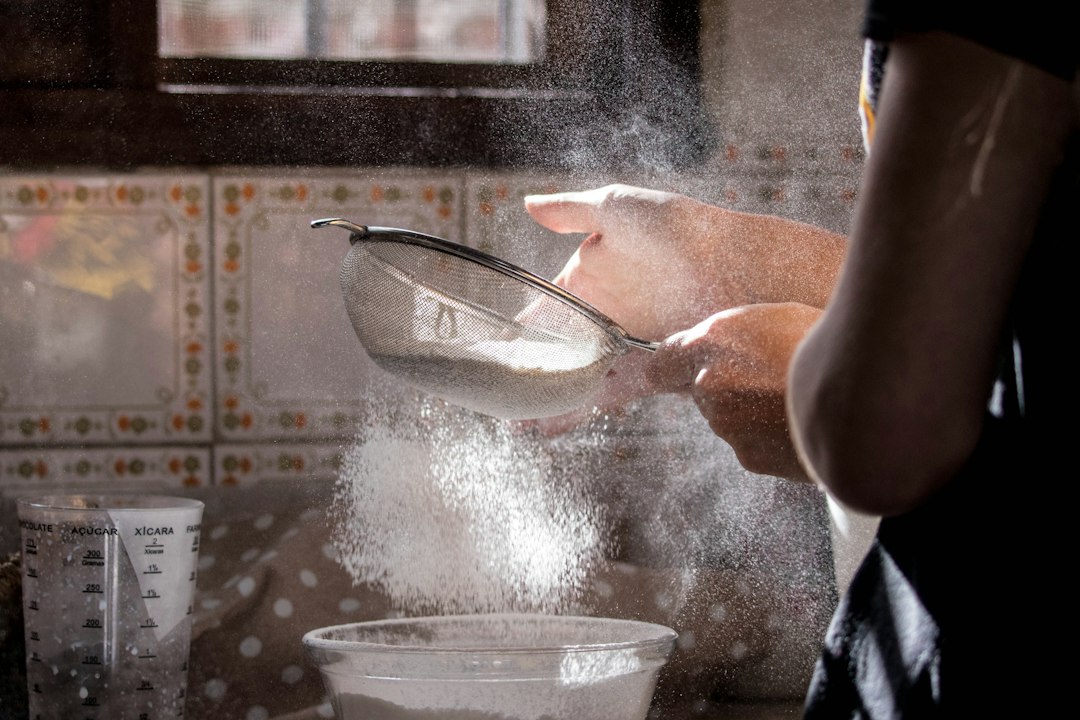
Gluten-free flours are reshaping the European kitchen this autumn, and for the discerning home baker, understanding which varieties carry genuine EU certification is no longer a matter of preference but of refined, responsible craft.

What EU certification actually means for your flour
Commission Implementing Regulation (EU) No 828/2014 lays down harmonised requirements for the provision of information to consumers on the absence or reduced presence of gluten in food. More specifically, this legislation sets out the conditions under which foods may be labelled as “gluten-free” or “very low gluten.” For a home baker, this matters deeply. When you select a certified bag from a European producer, you select a product that has passed a legally defined threshold.
The term “gluten free” is covered by EU legislation under Regulation (EU) 828/2014 for the labelling of gluten-free foods. Based on the Codex Alimentarius Standard for gluten free, the law stipulates that only foods containing a maximum of 20 parts per million (ppm) gluten content or less can carry this claim. That precision is the foundation of trust in any EU-certified product you place on your kitchen shelf.
AOECS has developed a gluten-free standard which serves as a guideline for producers and food safety auditing companies in the production of gluten-free food products. The AOECS Standard provides guidance and technical requirements to producers and food safety inspectors for the manufacture of gluten-free products. Look for the Crossed Grain symbol alongside the EU-compliant label: together, they offer the clearest signal of verified quality.
The finest certified varieties to stock this season
Europe’s culinary heritage offers a remarkable range of gluten-free flours, each with a distinct character suited to autumn baking. Rice flour is the most accessible. It produces a fine, neutral crumb and works well in sponge cakes, biscuits, and fresh pasta. Certified EU producers in Italy and France mill it to a consistency that approaches the delicacy of fine wheat flour.

Buckwheat flour carries a richer, earthier note that suits the season beautifully. Despite its name, buckwheat contains no wheat and no gluten. It is the foundation of Breton galettes, Central European bread, and Slovenian porridge traditions. A certified bag of buckwheat flour connects your kitchen to centuries of European peasant elegance.
Chestnut flour, produced predominantly in France, Italy, and Portugal, brings a natural sweetness and deep colour. It pairs beautifully with dark chocolate, warming spices, and autumn fruit. Teff flour, originally from Ethiopia but emerging as one of the most compelling ingredients in modern gluten-free bakery, with a nutritional profile spanning dietary fibre, iron, calcium and a naturally low glycaemic index, is now widely available from EU-certified producers across northern Europe.
How to read the label with confidence
Not every bag that carries a health-conscious appearance meets the legal standard. If a product is certified gluten-free or explicitly states “gluten-free” and complies with the EU regulation, it is safe even if a precautionary allergen labelling statement is present. But when in doubt, look for third-party certification or choose brands with dedicated gluten-free facilities. This is especially important when purchasing from artisan producers at markets.
The license issuer must see evidence of gluten-free quality in the form of test results from a recognised laboratory. It is recommended that producers use an internationally accredited laboratory for testing. As a consumer, you benefit directly from this chain of accountability every time you buy a certified product. The label is not decoration: it is a documented commitment.
The Food Information Regulation for Consumers, Regulation (EU) No 1169/2011, introduced in 2014 makes it mandatory for food brands to provide information on packaging on the presence of the 14 allergens including gluten (wheat, barley, rye, and oats) as deliberate ingredients within products. Reading allergen boxes alongside the gluten-free claim gives you a complete picture of what is inside the bag.






Expert perspective on the European gluten-free market
The European gluten-free flour category has matured significantly. Consumers no longer accept compromise on texture or flavour, and certified producers have responded with extraordinary precision. The certification process under EU Regulation 828/2014, combined with AOECS auditing standards, means that the gap between conventional baking and gluten-free baking has narrowed to the point where it is almost imperceptible in many applications. Autumn is the ideal moment to experiment, because the season’s ingredients, chestnuts, spices, stone fruits, and root vegetables, are naturally aligned with the flavour profiles of the finest certified alternative flours available in Europe today. Bakers who invest in quality certified flour now will find that their results improve across every recipe they attempt.
Industry perspective, gluten-free food and certification professionals across the European Union
Blending and storing your autumn pantry
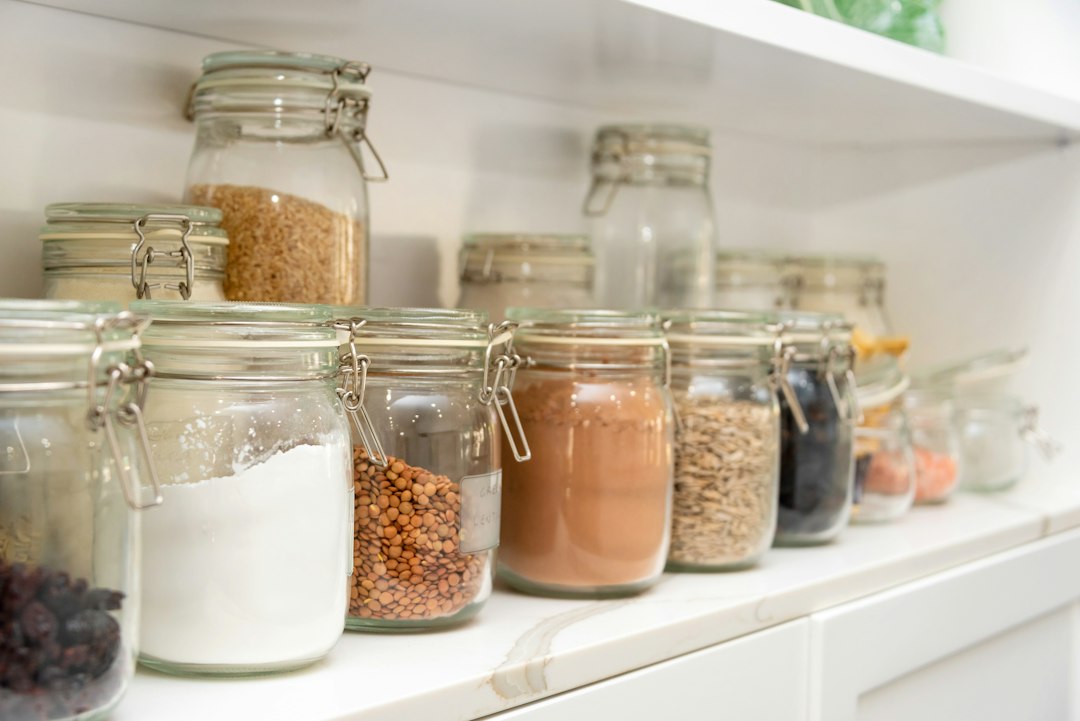
Most experienced bakers blend 2 or 3 certified gluten-free flours to achieve better structure and flavour. A combination of rice flour, tapioca starch, and chestnut flour produces a versatile base for cakes and tarts. Buckwheat and oat flour (where certified to the EU gluten-free standard) together create excellent bread dough with natural depth.
Gluten-free products continue to carry a price premium due to higher ingredient costs, dedicated manufacturing lines, certification expenses, and lower economies of scale. Specialised raw materials such as rice flour, almond flour, and functional binders increase formulation costs. Store your certified flours in airtight containers, away from light and moisture. This protects both quality and the investment you make in superior ingredients.
Bakery products accounted for 45% of the European gluten-free market value in 2025. The demand is clear, and producers across France, Italy, Germany, and the Netherlands are responding with new certified ranges every season. Building your pantry now, at the start of autumn, means you are aligned with the most dynamic moment of the European baking calendar.
Conclusion: gluten-free flours as a mark of European craft
Gluten-free flours certified under EU regulation are not a substitute for quality: they are a definition of it. This autumn, stocking your kitchen with verified, heritage-rich alternatives means you bake with both safety and sophistication. Choose gluten-free flours that display the Crossed Grain mark and carry a clear EU-compliant label. Explore buckwheat, chestnut, teff, and rice in confident combinations. The European gluten-free products market is projected to reach USD 6.25 billion by 2034. The momentum is European, the ingredients are extraordinary, and the season is perfect. Begin with gluten-free flours, and let the autumn kitchen become your finest expression of conscious, elegant European baking.
Discover more about gluten-free flours
- Gluten-free food labelling: European Commission official guidance
- Global gluten-free flour market size, share and forecasts
- Inside Europe’s gluten-free boom: FoodNavigator analysis