


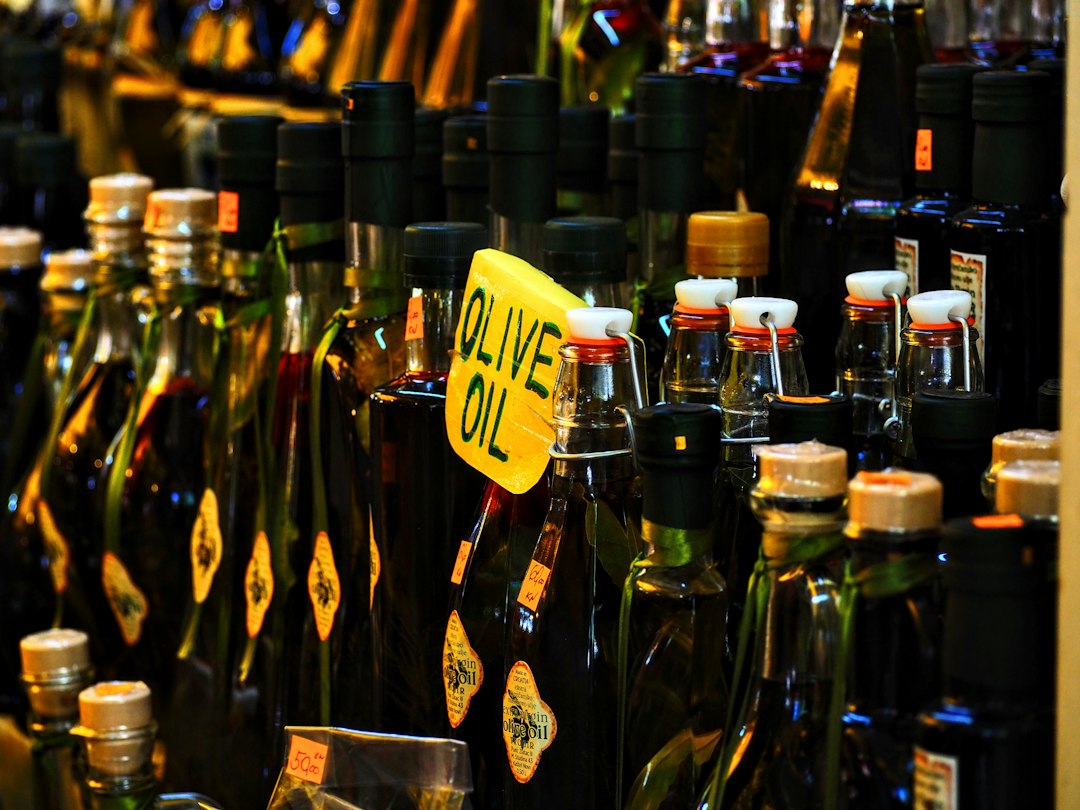
Walk into any EU supermarket and three bottles labelled "extra virgin" can sit side by side at very different prices, yet only one of them may have actually earned that name under the rules. Brussels treats the term as a legal category, not a marketing flourish, and the gap between what a producer claims and what EU law allows is where most shoppers lose money. Reading the fine print, rather than the photo of olive groves on the front, is the only reliable way to tell a genuine extra virgin from a blend wearing its label.
What EU law requires on every extra virgin bottle
The European Commission built these requirements through two instruments. Regulation (EU) No 1308/2013 establishes a common organisation of the markets in agricultural products, and Commission Delegated Regulation (EU) 2022/2104 addresses marketing standards for olive oil. Together they force a producer to print an exact category name on the bottle, not a vague description.
Alongside the designation, the label must carry the required wording for its category. For example, extra virgin must carry the statement "superior category olive oil obtained directly from olives and solely by mechanical means." Origin labelling is also mandatory for extra virgin and virgin olive oil. It is obligatory for extra virgin and virgin olive oil, and if the olives were harvested in one country but processed in another, the label must show both, as in "extra virgin olive oil obtained in Italy from olives harvested in Greece," along with a packaging plant number.
One claim trips up many shoppers: the phrase "first cold pressing." This wording is reserved for extra virgin or virgin olive oils obtained below 27°C through a first mechanical pressing using a traditional system. Most modern mills use continuous centrifugal extraction instead of pressing, so that phrase on a mass-market label deserves a second look.

The acidity and taste tests that earn the name
A bottle does not become extra virgin because a farmer says so. It must meet free acidity below 0.8%, a peroxide value below 20 mEq O₂/kg, correct UV absorption levels, and sensory characteristics assessed by a trained tasting panel. Virgin olive oil is the only food sold in Europe where sensory testing is required by law to define quality, and a trained tasting panel must test it before it reaches a shelf, under Commission Implementing Regulation (EU) 2022/2105.
The panel test is stricter than most buyers imagine. It is an organoleptic test governed by EU regulations, in which a group of expert tasters assesses the oil blind, and the oil earns the extra virgin grade only with a score of zero for defects such as rancidity or mustiness while also showing the fruitiness typical of healthy olives. A single rancid note caused by poor storage, not the olives themselves, can push a chemically perfect oil out of the top grade.
Chemistry alone does not catch everything. EU rules actually check 15 separate parameters before an oil can carry the extra virgin label. That list covers acidity and peroxide, but also oxidation markers that a quick taste test would miss entirely.
Why rules alone don't stop fraud
A reader might reasonably ask whether any of this paperwork changes what actually lands in the bottle. A European Parliament report identified olive oil as the most frequently reported food fraud category among EU authorities. That single fact undercuts any claim that EU labelling rules have fully solved the problem.
The European Court of Auditors tested that assumption directly. Most of the oils it purchased did comply with EU requirements for their labelled category. But analysis of at least one extra virgin olive oil revealed a value that was too high for its category. Auditors also flagged a loophole that surprises most shoppers: Italian authorities confirmed that marketing a blend of extra virgin and virgin olive oil as extra virgin olive oil is allowed.
The system does respond once a defect is found. For extra virgin olive oils with organoleptic defects, notification between member states is mandatory, with a response due within three months. That is a genuine enforcement mechanism, just one that works in months rather than days.
Reading origin marks and PDO labels correctly
Origin wording tells you more than a country name. For extra virgin and virgin olive oil, origin is one of the most sensitive points on the whole label. A Protected Designation of Origin (PDO) or Protected Geographical Indication (PGI) mark adds a further, independently audited layer on top of that basic origin rule.
Enforcement is not spread evenly across the EU. Producing member states must carry out more controls than countries that do not grow olives, and extra virgin olive oil is the main category checked because it represents the biggest share of EU retail sales. A bottle bought in Spain, Italy or Greece sits under tighter scrutiny than the same brand sold through a non-producing market.
A checklist before you buy
Start with the wording, not the picture of olive groves on the front. Confirm the bottle states "extra virgin olive oil" with the required category description, then check whether the origin line names an actual country or region rather than a vague blend. Look for the packaging plant number and, where it appears, a harvest date, since both let inspectors and buyers trace the oil back to its source.
Store it the way the regulation assumes it will be stored. Dark glass or tin, kept away from heat and light, protects the result of a panel test that only certified the oil once. An unusually low price per litre deserves suspicion, given how many parameters an oil must pass before it earns the extra virgin name.
Accept this and the shopping habit changes in a small but durable way. You stop trusting a photogenic label and start reading three lines of text: the category wording, the origin statement, and the packaging plant number. That habit costs ten extra seconds in the aisle and protects a purchase that even EU auditors admit they cannot fully guarantee.