

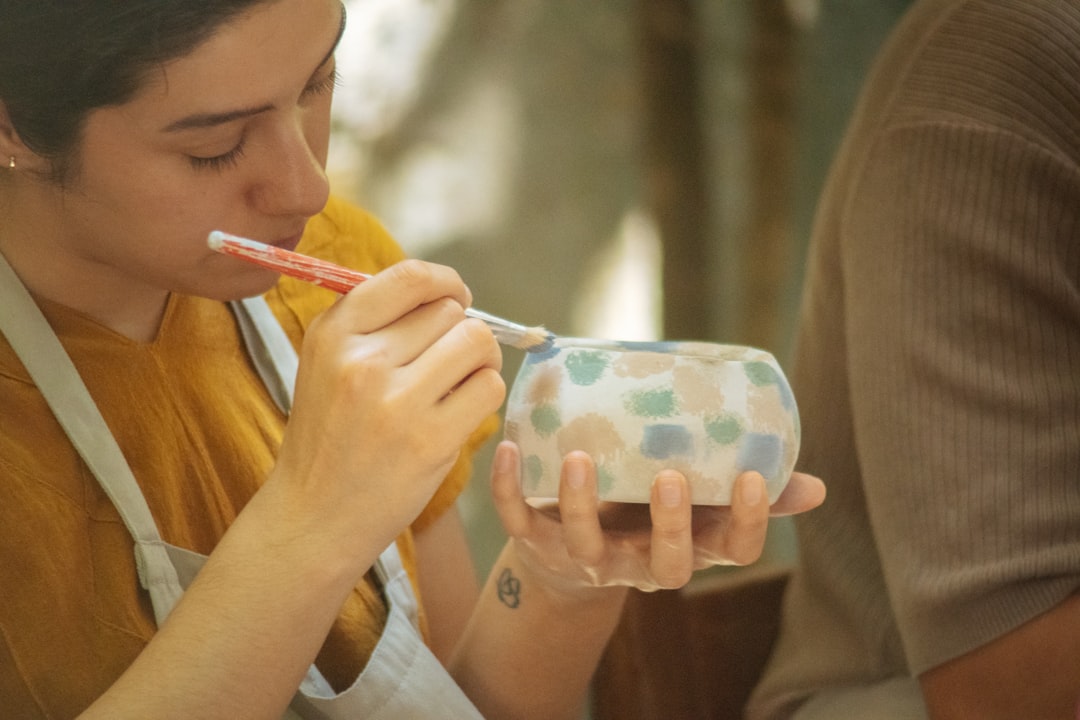
Craft regions across Europe have long carried the weight of centuries of skill, but a new legal framework now gives their names the formal protection they have always deserved.
Why craft regions needed a new framework
Previously, the craft sector relied on a fragmented mix of national systems, or no protection at all. This made it nearly impossible for producers, often small, family-run workshops, to defend their livelihood against foreign copycats. The result was a market where imitation products could freely use the names of celebrated places without consequence.

The qualities attributed to specific local skills and traditions can relate to products such as jewellery, cutlery, glass, porcelain, textiles, lace, natural stones, and woodwork. Yet previously, the EU protection scheme did not cover craft and industrial products at all. Luxury consumers, in particular, had no reliable EU-wide signal to confirm genuine origin.
For the first time, craft and industrial products across the EU now fall under harmonised legislation for geographical indications. This is an official recognition once reserved mainly for cheeses, wines, and agricultural icons. Now, ceramics, textiles, cutlery, and musical instruments join the same legal family of origin-linked products.
The regulation that changed everything
As of December 2025, craft and industrial products fully benefit from EU-wide geographical indication protection under Regulation (EU) 2023/2411. Geographical indications are an intellectual property protection that links specific products, which are European, local, and authentic, to their geographical origin.
Starting on 1 December 2025, the European Union Intellectual Property Office (EUIPO) opened applications for the registration of the names of craft and industrial products as Geographical Indications (CIGIs). A single registration grants non-expirable protection throughout the EU. This is significant for any producer whose reputation is tied entirely to a specific place.

The new scheme builds on over 30 years of success with the agricultural GI system, which protects more than 3,600 names and generates around €75 billion in annual sales. That figure represents about 15% of EU food and drink exports. Craft regions now enter that same powerful circle of recognised origin.
Iconic craft regions now in line for protection
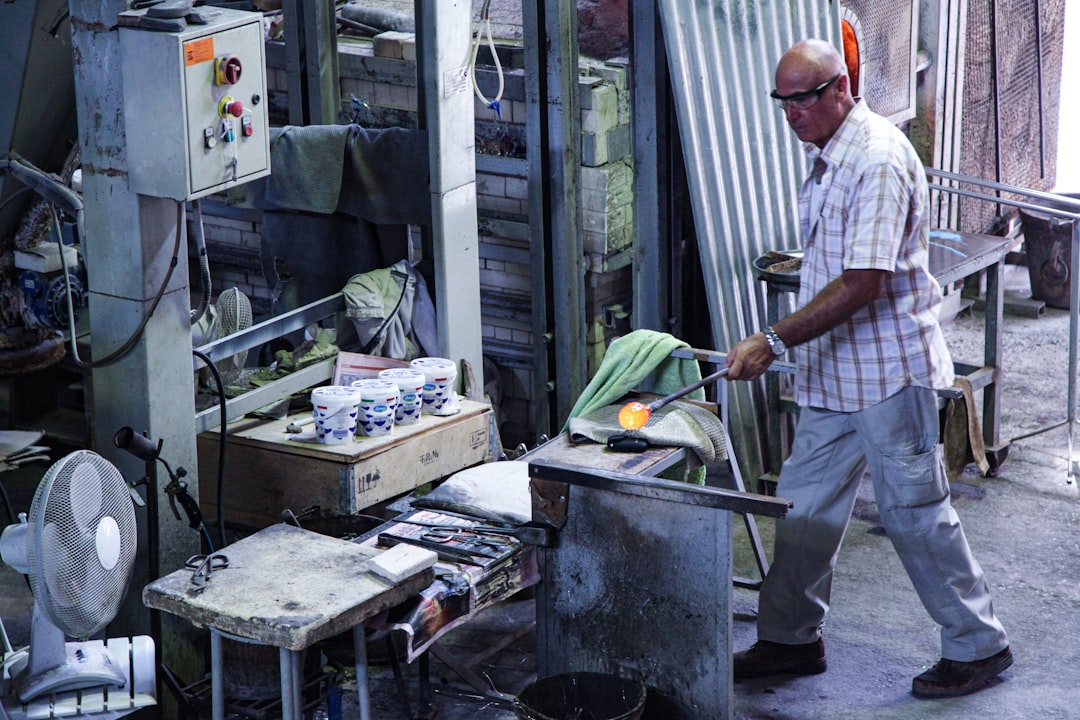
European craftsmanship can be found in great diversity in cities, provinces, and regions across the EU. Solingen cutlery from Germany, Bohemian crystal glass from the Czech Republic, Limoges porcelain from France, and Murano glass from Italy are all emblems of centuries-old craft traditions and part of Europe’s cultural heritage.
Porcelaine de Limoges from France became the first craft and industrial product to receive EU-wide geographical indication protection. As the first name to be registered, it marks a landmark moment in the implementation of the scheme. Limoges is the region where kaolin clay, a key ingredient of France’s luxury tableware, was first discovered in the 18th century.
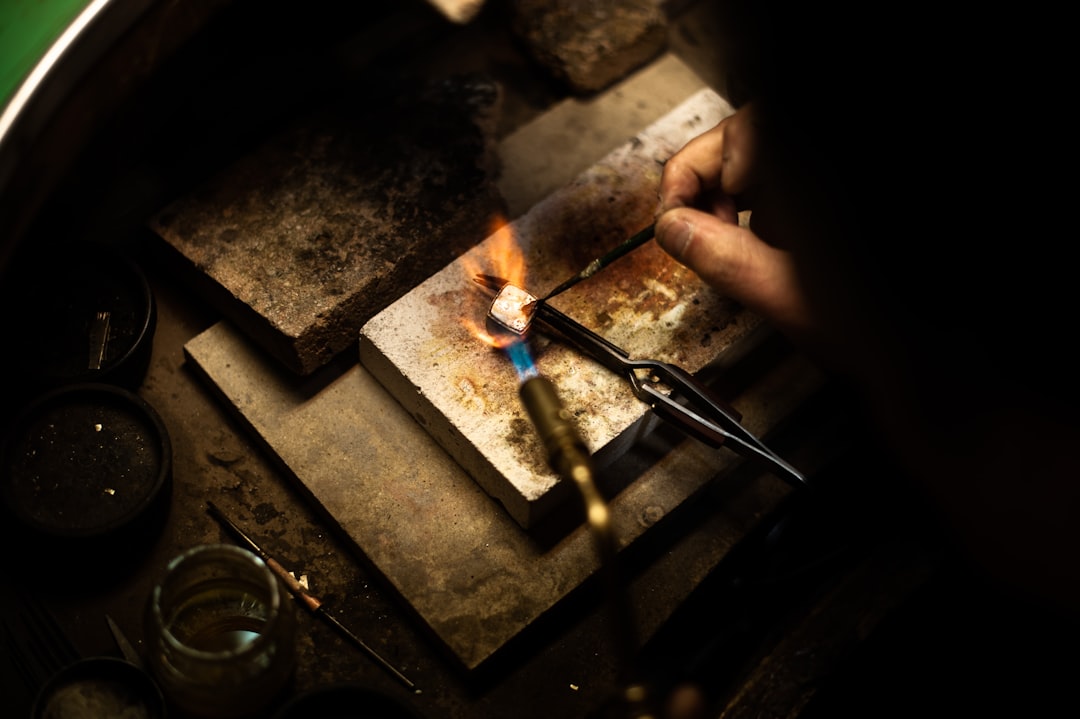
Among the early candidates are established geographical indications transitioning from national to EU protection: Siège de Liffol, Pierre de Bourgogne, Filigrana de Portugal, and Idrija Lace. Filigrana de Portugal protects the specific technique of twisting fine gold or silver threads in Gondomar and Póvoa de Lanhoso. Each of these traditions connects a precise territory to a precise method, and now to a precise legal guarantee.
Expert perspective on craft regions and cultural value
The new regulation represents far more than intellectual property law. It is a formal acknowledgement that the connection between a region, its people, and their craft carries genuine economic and cultural weight. When consumers can trust a name because it is legally protected, they are willing to pay more. That premium flows directly back to the artisan, to the workshop, and to the regional economy around it. For luxury markets in particular, authenticity is not a secondary value: it is the primary reason a person chooses one piece over another. Craft regions that succeed in registering their names early will set the standard and gain a lasting competitive advantage in both European and global markets. This system also protects heritage for future generations, ensuring traditional techniques are not lost to cheap imitation but instead celebrated and rewarded.
Industry perspective, geographical indications and heritage product professionals across the European Union
How protection benefits luxury buyers
Registration offers a unique economic opportunity for craft and industrial producers to help safeguard the authenticity of their goods, prevent imitation, and improve access to high-value markets. CIGIs strengthen brand identity and can boost cultural and heritage tourism in their region of origin.






In practice, protection covers unauthorised commercial use, misuse, and imitation or evocation of the protected name even when terms such as “style,” “type,” or “imitation” are used, as well as any false or misleading indications regarding the product’s origin or qualities. For luxury consumers, this means the blue and gold PGI seal is a reliable guide at the point of purchase.
Craft products can now carry the official EU Protected Geographical Indication symbol, the same blue and gold seal already carried by high-quality food and wine. Some artisans may choose not to display it on the product itself for aesthetic reasons. However, the protection remains absolute. The registered name is legally protected whether the logo is present or not.
How artisans apply for protection
For the name of a craft or industrial product to qualify for GI protection, the product must originate in a specific place, region, or country. It must have a quality, reputation, or other characteristic essentially attributable to its geographical origin. At least one of the production steps must take place in the defined geographical area.
The link between a product and a place may derive from traditional know-how, specific production techniques, locally sourced raw materials, or historical reputation associated with the place. The EUIPO serves as the central registration office. Applications are submitted with a designated national authority. These national authorities conduct a first assessment and opposition procedure before ruling in favour or against the application at national level.
Since registration opened on 1 December 2025, 74 applications for CIGI protection have been submitted, with Czechia, France, Portugal, Slovenia, Slovakia, and Sweden among the most active member states in the process. The diversity of applications reflects the richness still waiting to be formally recognised across Europe’s craft regions.
Craft regions as the new standard of luxury
The transformation underway across Europe’s craft regions is quiet but profound. This new framework acknowledges that not only food, wine, and spirits, but also artisanal and industrial products draw strength and distinction from their connection to place and tradition. For skilled artisans and small enterprises, it opens the door to greater brand value and the opportunity to highlight craftsmanship, heritage-driven manufacturing, and authenticity on a broader market.

Craft regions now speak with one legal voice across all 27 member states. For the conscious luxury buyer, that voice says everything: the object in your hands was made here, by these hands, with this knowledge, and no one else may claim otherwise. CIGIs support local employment, foster entrepreneurship, and reinforce pride in place. Culturally, they preserve and pass on traditional techniques, ensuring that skills honed over generations are carried forward with purpose.
Explore these craft regions, seek the blue and gold seal, and invest in the makers who shape Europe’s living heritage.
Discover more about craft regions
- Geographical Indications for Craft and Industrial Products (EUIPO)
- First-ever geographical indication craft name receives EU-wide protection (European Commission, May 2026)
- EU’s first ever GI protection for craftsmanship turns cultural heritage to opportunity (Creatives Unite, December 2025)