

EU Mercosur is no longer a distant promise carved into diplomatic marble; it is a living agreement that began reshaping the conditions of European commerce on 1 May 2026, bringing with it both the grandeur of a civilisation that trades on its own terms and the very practical weight of changed tariffs, new markets, and fresh obligations.
A quarter century in the making
Negotiations for an EU Mercosur association agreement began in 1999. They concluded on 6 December 2024 and produced 2 parallel legal instruments: the EU Mercosur Partnership Agreement (EMPA) and the interim Trade Agreement (iTA). On 9 January 2026, a qualified majority of EU member states in the Council approved the agreement by a vote of 21 to 5. On 17 January 2026, the 4 founding members of Mercosur and Commission President Ursula von der Leyen signed the EMPA and the iTA in Paraguay.

The agreement became binding under international law upon the start of its provisional application on 1 May 2026, following the completion of all required internal procedures by the parties. As of early 2026, the trade agreement has become the legal framework for what will be the world’s largest free trade area, covering more than 700 million people and around 30% of global GDP. The institutional path ahead remains open: the iTA will enter fully into force after the European Parliament gives its consent, and the EMPA must be ratified by all EU member states before entering into force.
On 21 January 2026, the European Parliament voted to refer the deal to the European Court of Justice for a legal opinion. Provisional application of the iTA can continue throughout this process, meaning the commercial benefits of the agreement are already active and are increasingly difficult to reverse.
What EU Mercosur means for tariffs and exports
The EU Mercosur trade deal lowers tariffs on cars, formerly up to 35%, machinery, formerly 14 to 20%, pharmaceuticals, formerly up to 14%, and many other products, saving EU firms more than €4 billion each year. The agreement will progressively remove tariffs on over 90% of EU exports, including cars, pharmaceuticals, wine and spirits, and olive oil, while also reducing non-tariff barriers such as labelling requirements.
The EU Mercosur trade deal reduces former high tariffs on key EU agri-food products such as wine and spirits (up to 35%), chocolate (20%), and olive oil (up to 31.5%). EU exports of agricultural products are expected to increase by almost 50%. By securing recognition for 344 European geographical indications (GIs), the agreement protects producers against imitation and unfair competition in Mercosur markets.

Figures shared by the Commission project that the EU’s GDP will increase by more than €77.6 billion as a direct consequence of the EU Mercosur trade deal, and policymakers expect the creation of 600,000 new jobs in Europe. According to Oliver Richtberg, head of foreign trade at Germany’s engineering federation (VDMA), gains will be slower to materialise in some products. “In most cases, the tariff reductions will be phased in over a period of 10 to 15 years. The economic effects will therefore become apparent primarily in the medium to long term.”
New procurement and supply chain opportunities
European companies will gain the right to bid on Mercosur government procurement contracts for the first time. Brazil’s federal procurement market alone exceeds €8 billion per year. EU companies will compete on equal terms with domestic firms, the first non-Mercosur businesses ever granted this access. For European infrastructure and technology companies, this is a structural shift, not a marginal gain.
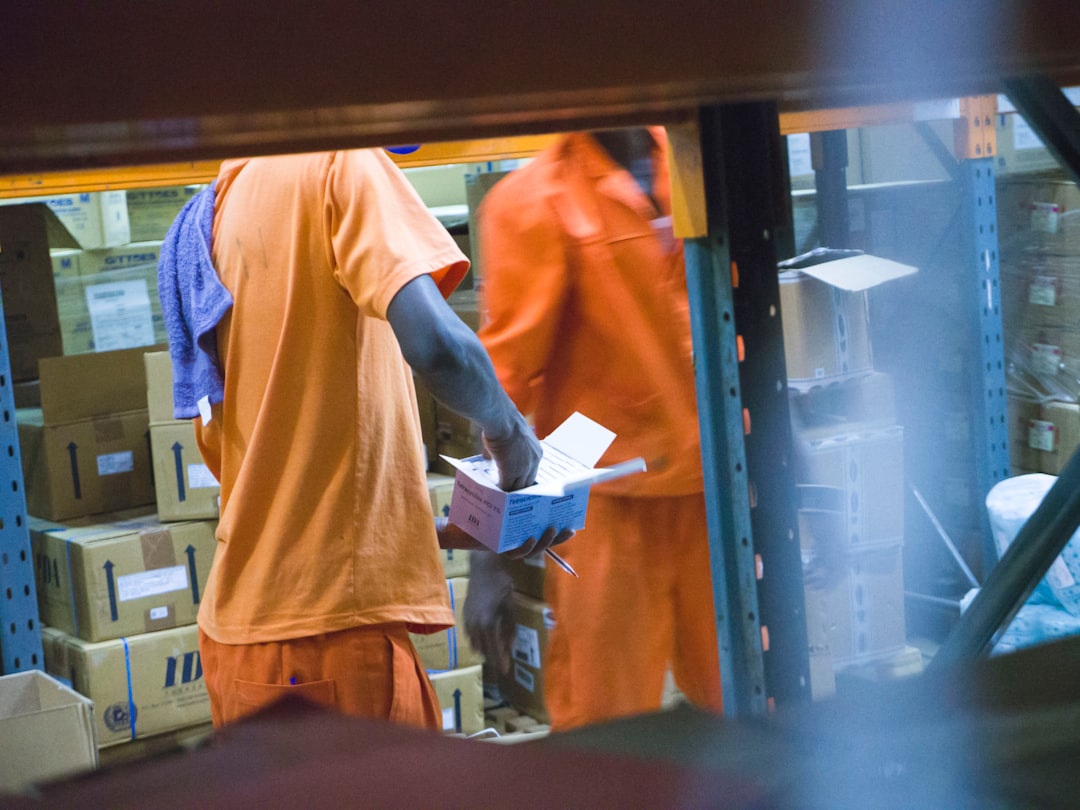
Mercosur is a key supplier of materials vital to the green and digital transitions. The EU imports 82% of its niobium, used to produce superconducting magnets for MRI scanners and cancer treatment, from Mercosur. The agreement is indirectly set to improve the resilience of European supply chains by diversifying access to critical raw materials, including lithium and copper, which are vital for Europe’s green and digital transformations.






For the EU, the agreement is now less about South American beef and more about supply chain resilience, strategic autonomy and market diversification. Donald Trump’s return to the White House, followed by higher US tariffs on European goods, gave both sides a strong incentive to close ranks.
Expert perspective on EU Mercosur
The EU Mercosur Agreement represents a qualitative shift in the commercial environment for European businesses. Tariff reductions across automotive, pharmaceutical, and agri-food sectors are already active and will compound over time as phase-in schedules advance. The procurement opening in Brazil and Argentina is particularly significant: European firms compete on equal terms for government contracts in markets that were previously closed. Supply chain diversification is another structural gain, especially for critical raw materials that underpin the green and digital transitions. Businesses that prepare their compliance frameworks now, including rules of origin, classification, and contractual review, will capture these benefits faster and avoid the legal risks that come with misaligned documentation.
Industry perspective, trade policy and EU-Mercosur integration professionals
What compliance now requires
The EU Mercosur interim Trade Agreement introduces immediate tariff reductions, expanded access to public procurement markets, and new regulatory requirements governing the movement of goods and services. The agreement operates as an active legal framework from the point of application, meaning that the conditions under which cross-border transactions are priced, documented, and executed have changed with immediate effect.
For customs duties to be reduced or waived, goods must comply with rules of origin. The decisive factor is whether a product is considered to have preferential origin. These requirements are particularly relevant for exports, as it is the exporter who must demonstrate that goods meet the applicable criteria in order for tariff preferences to be granted in the country of destination. Failing to comply may result not only in the loss of tariff savings, but also in legal risks arising from incorrect origin declarations, retroactive customs duties, or administrative penalties.
The agreement introduces simplified customs procedures, mutual recognition of technical standards, and a dedicated SME chapter, the first in any Mercosur trade deal. Compliance is not a one-time adjustment but an ongoing obligation, requiring coordinated governance across legal, compliance, and commercial functions. Businesses must ensure that contractual frameworks reflect current tariff conditions, that customs processes support accurate classification, and that product standards, labelling, and certification requirements are satisfied prior to market entry.
Agriculture: protections and realistic expectations
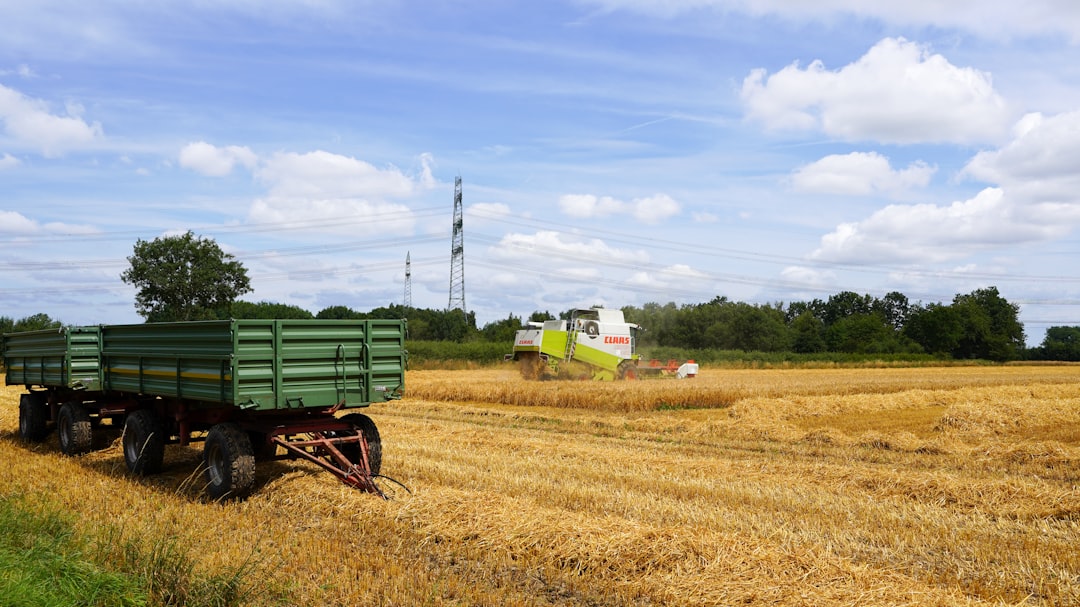
The most sensitive sectors include beef, poultry, and sugar. To protect them, the agreement sets limits on how much can be imported. The EU can quickly stop or limit imports if an increase causes, or threatens to cause, serious injury to the relevant EU sectors. A €6.3 billion safety net has been established to protect EU farmers in the event of market disturbances, and the European Commission has committed to monitoring agricultural markets closely as the agreement takes effect.
The EU has been explicit that the deal does not lower European food safety or environmental standards. Only imports that meet EU food safety rules will be permitted, border inspections are being reinforced, and audits in exporting countries will increase over the next 2 years. The agreement also benefits EU farmers and food producers by supporting growth in exports of traditional, high-quality EU agri-food products and protecting authentic EU products through geographical indications, securing branding and market exclusivity in Mercosur.
EU Mercosur: act now, benefit sooner
The EU Mercosur agreement is a testament to Europe’s enduring ambition: to shape global trade by the same depth of conviction that has defined European civilisation across centuries. European businesses that act now, by reviewing contracts, confirming rules of origin, and identifying export opportunities, will stand at the front of this new commercial frontier. The EU Mercosur interim Trade Agreement is now being provisionally applied, and this will allow EU producers, exporters, and farmers to start gaining the benefits of this deal from day one. The EU Mercosur agreement is not a distant institutional achievement; it is a concrete opportunity, available today, to every business with the vision to reach across the Atlantic and trade on European terms. Prepare now, review your compliance, and explore the markets that 25 years of European diplomatic tradition have opened for you.
Discover more about EU Mercosur
- EU Mercosur Agreement: Official European Commission page
- EU Mercosur Trade Agreement: From Negotiations to Application (Intereconomics, 2026)
- EU Mercosur Trade Deal 2026: Tariffs, Rules and What Businesses Must Do (Lawyer Monthly, May 2026)