


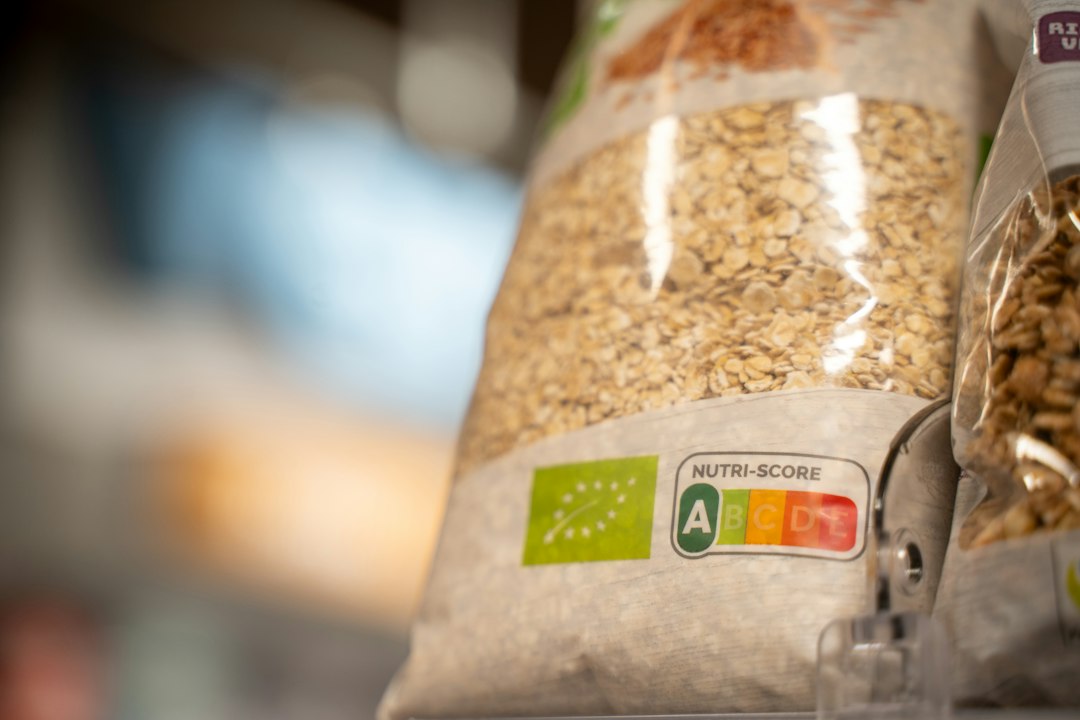
Food labels across the EU look simple, yet each phrase on them carries a precise legal meaning, not a marketing flourish. Regulation 1924/2006 requires every nutrition claim to match one of 30 fixed entries in its annex and to meet that entry's exact conditions. Regulation 2018/848 sets a 95% rule for the organic logo. Separate rules protect regional names such as Parmigiano Reggiano. Knowing these numbers changes a label from decoration to a decision tool, before you pay a price you might not need to pay.
What "low fat" and "sugar free" really require
EU Regulation 1924/2006 sets exact rules for nutrition claims such as low fat, fat free and sugar free. Nutrition claims need no individual approval, but each one must match one of 30 entries in the regulation's annex and meet its specific conditions. The term low fat applies only when a solid food contains no more than 3 grams of fat per 100 grams, and sugar free applies only below 0.5 grams of sugar per 100 grams or 100 millilitres. A product that misses these numbers cannot legally use the words, however light it looks on the shelf.
Fat free works the same way: the food must contain no more than 0.5 grams of fat per 100 grams, and labels cannot soften the claim into phrases such as 'X% fat-free'. Health claims follow stricter rules still. Only wording from the official EU list qualifies, such as the statement that vitamin C supports normal immune function. EU rules still ban claims about doctor recommendations, specific weight-loss amounts, and warnings that skipping a product harms health.
Producers who print an unauthorised nutrition claim risk fines between €3,000 and €12,000 under Article 8 of the regulation. That penalty keeps most labels honest on the numbers, even when the design around them tries to persuade you otherwise.
The EU organic logo and its 95% rule
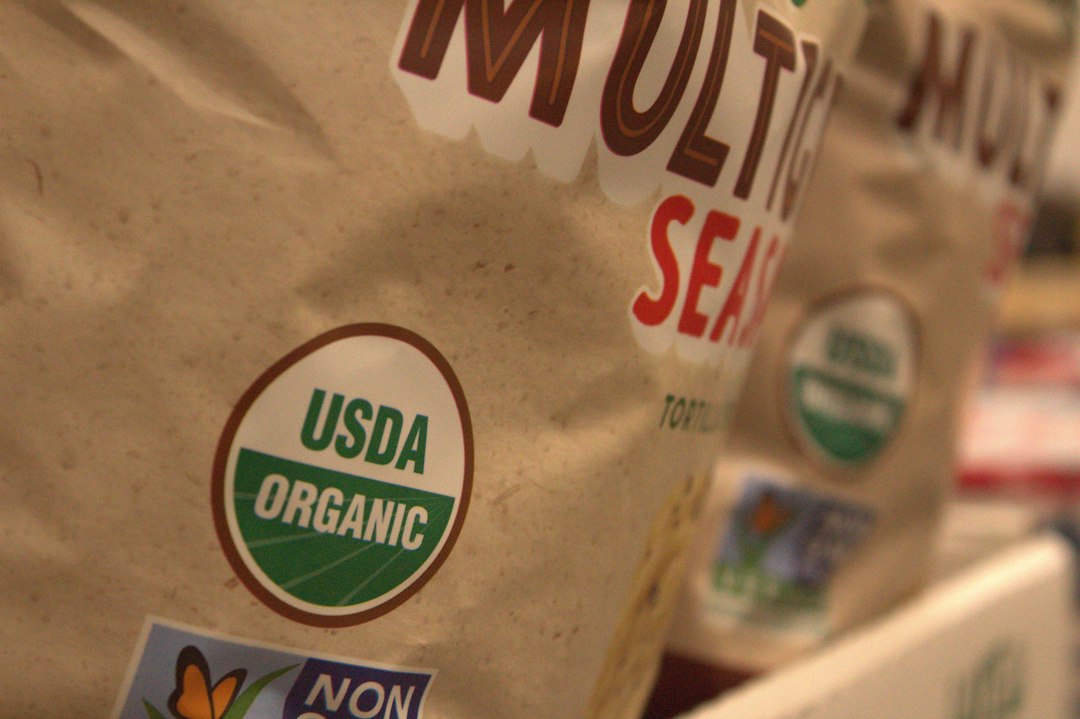
Any prepacked organic food made and sold inside the EU must carry the official organic logo, the green leaf made of stars. The logo only appears on processed foods where at least 95% of the agricultural ingredients by weight count as organic. Anything below that line changes the rules completely.
Below the 95% mark, EU law blocks the phrase 'made with organic' on the front of a product, whatever the ingredients inside. The ingredient list must still show the exact percentage of organic content compared to the total agricultural ingredients. A shopper who checks only the logo misses this detail, since it sits in small print on the back.
Next to the logo, every pack must state where the raw materials came from, through the words 'EU Agriculture', 'non-EU Agriculture', or a mix of both. The logo disappears entirely from goods below the 95% threshold, from in-conversion products, and from items outside organic food rules altogether, such as cosmetics.
In 2024, the Court of Justice ruled that imported goods failing to fully meet EU production standards cannot use the organic logo, even when Brussels treats the exporting country's own system as equivalent. That ruling ended a route some importers had used for years.
PDO, PGI and TSG: reading origin claims
Three separate marks protect the name of a food tied to a place or a method, and each one promises something different. A protected designation of origin, or PDO, means the entire production process stays inside one defined area. A protected geographical indication, or PGI, needs only one production stage linked to that area, which lets the rule cover more products.
Traditional speciality guaranteed, or TSG, protects a recipe or a production method instead of a place, so a TSG food can come from anywhere once it follows the registered specification exactly. Stollen, the German Christmas bread, shows the difference well: ordinary stollen gets baked across Europe, yet only loaves from Dresden can carry the protected Dresdner Christstollen name.
Pierogi Ruskie follows the same TSG logic: producers anywhere in Europe can make them, as long as they stay true to the registered recipe. Checking for one of these three symbols before paying a premium price tells you exactly what you are buying: a place, a process, or both.
Does the system still let producers mislead shoppers?
Critics raise a fair point. None of these rules stop a label from looking organic, local or healthy through design alone. A pack can show a green meadow, rustic typography and the word "natural" without carrying the organic logo or any PDO mark at all, since loose adjectives and imagery sit outside Regulation 2018/848 and the geographical indication rules.
Brussels has started to close that gap. The Green Claims Directive, Regulation 2024/825, now treats environmental terms such as "organic" as claims that need proof of real environmental performance, not just a green colour scheme. The directive reaches beyond food labels, into any marketing claim across the EU market.
The objection still holds some weight. Enforcement depends on national authorities checking packaging after it reaches the shelf, not before, so a misleading design can remain on sale for months before anyone challenges it. Reading the regulated marks stays the safer habit, rather than trusting a product's overall look.
What changes once you can read these labels
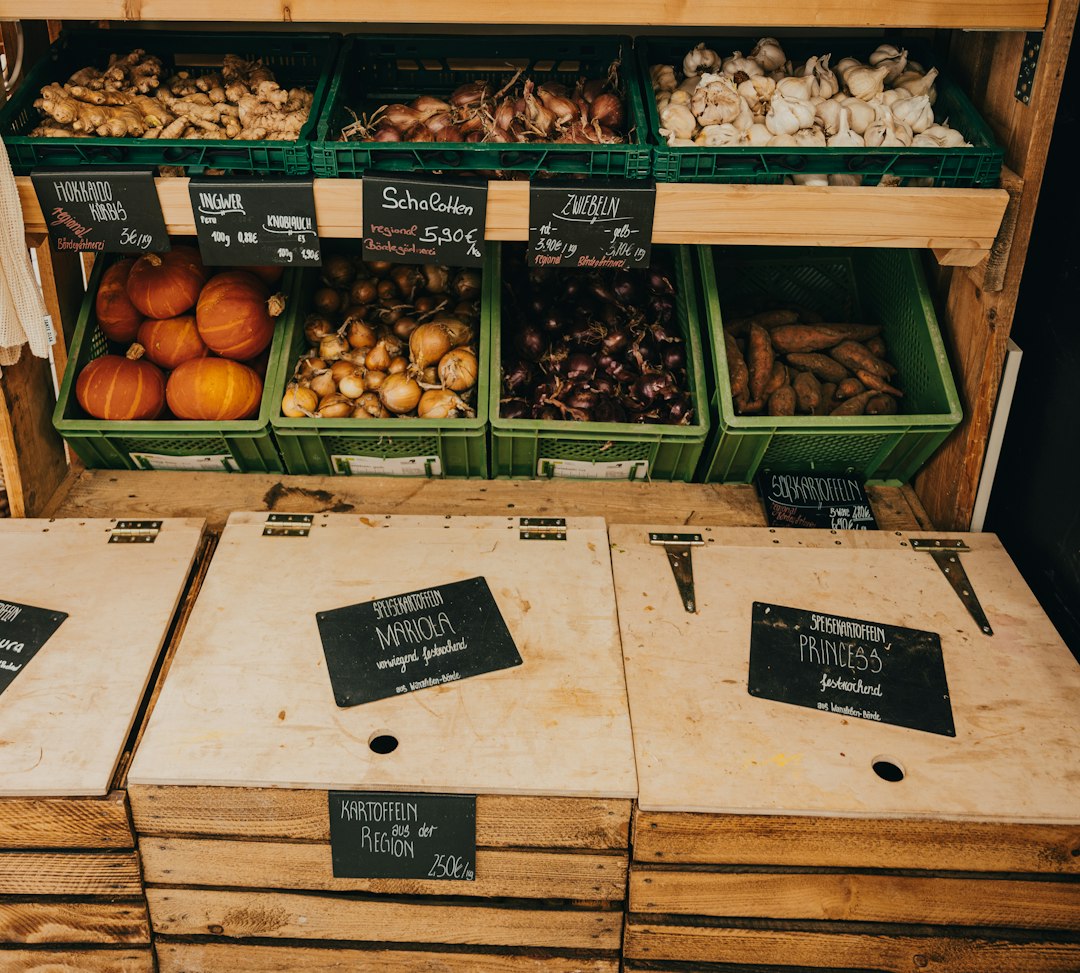
Once you know the thresholds, a shopping trip becomes a quick check instead of a guess. Compare the nutrition table to the fixed numbers: 3 grams of fat or 0.5 grams of sugar per 100 grams marks the real boundary for low fat and sugar free claims. Also search for the green leaf logo together with the control-body code and the EU or non-EU agriculture note, not just the colour green on the package.
Treat any organic wording below the 95% line with caution, since a pack can still mention organic ingredients without earning the logo. The exact organic percentage sits inside the ingredient list, so check there before paying extra. Before paying a premium for "traditional" or "regional" food, confirm whether the stamp reads PDO, PGI or TSG, because each promises a different link to place.
Pleasant imagery proves nothing on its own. A product earns these marks through registered specifications and official checks, not through meadow photography or rustic fonts. Reading past the design, straight to the regulated words and numbers, puts the real decision back in your hands.