


What Drives PropTech Innovation in European Markets?
European PropTech market reaches €35 billion in 2026. Consequently, venture capital investments increased 127% since 2024. Industry analysts project 23% annual growth through 2030.

Additionally, sustainability regulations accelerate smart building adoption significantly. Therefore, EU Green Deal mandates drive technology integration requirements. Moreover, energy efficiency standards create competitive advantages for tech-enabled properties.
Demographic shifts favor digitally-native property experiences increasingly. For instance, millennials expect seamless digital interactions throughout leasing. Thus, traditional real estate companies modernize or lose market share.
Which PropTech Innovation Sectors Attract Investment?
Smart building management systems optimize energy consumption and operations. Furthermore, IoT sensors monitor temperature, lighting, and occupancy real-time. Automated systems reduce operational costs by 30% typically.
Property management platforms digitize tenant communications and maintenance requests. However, cloud-based solutions streamline workflows for landlords significantly. Also, AI-powered chatbots handle routine inquiries 24/7 continuously.

Virtual and augmented reality enable remote property viewings immersively. Meanwhile, 360-degree tours reduce physical showing requirements substantially. Certainly, pandemic accelerated adoption of virtual touring technologies.
Blockchain-based solutions transform property transactions and ownership records. For example, smart contracts automate escrow and title transfers. Besides, tokenization enables fractional real estate ownership models.
How Do Smart Building Solutions Optimize Operations?
Predictive maintenance prevents equipment failures through data analytics. Nevertheless, machine learning identifies patterns predicting breakdowns early. Specifically, HVAC systems optimized reducing energy waste significantly.






Occupancy sensors adjust lighting and climate automatically saving energy. On the other hand, real-time data informs space utilization decisions. Additionally, hot-desking and flexible workspace management improve efficiency.
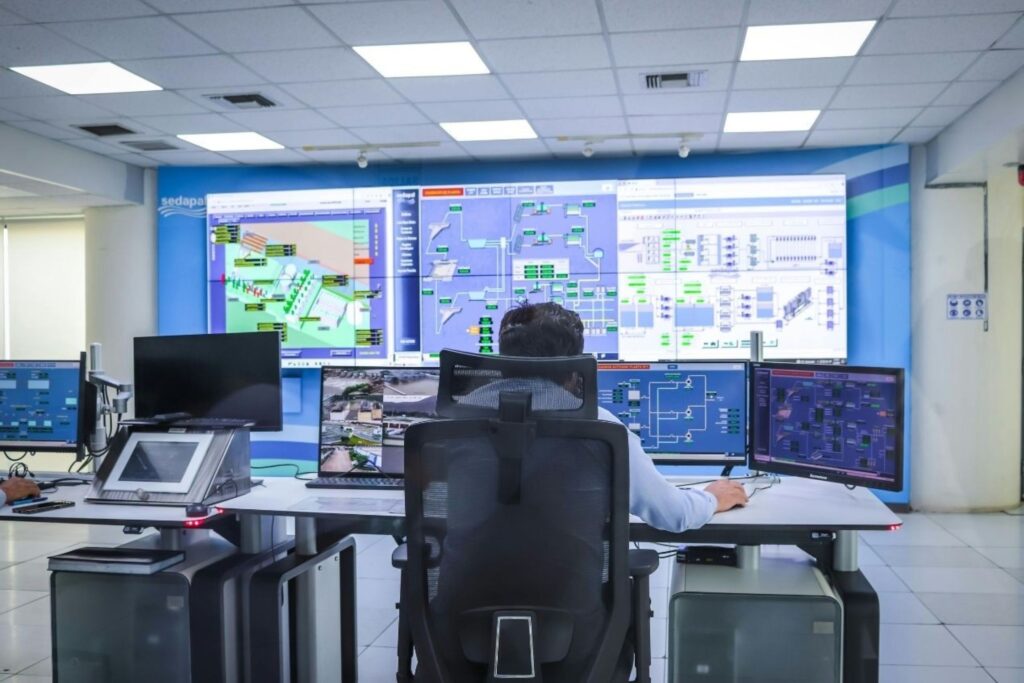
Integration platforms connect disparate building systems centrally managed. For instance, security, access control, and energy systems communicate. Besides, single dashboard provides comprehensive operational visibility always.
Tenant experience apps enable service requests and amenity bookings. Thus, digital interfaces improve satisfaction while reducing management workload. Furthermore, data analytics reveal tenant preferences and behavior patterns.


Co-production treaty and European cinema
Europe's co-production treaty network is one of the most consequential, yet least visible, forces in the films that reach your...

Infrastructure funds: a retail investor guide
Infrastructure funds listed in the EU give retail investors access to stable, long-term assets once reserved for institutions. But not...

What Investment Opportunities Exist for European Entrepreneurs?
Software-as-a-Service platforms serving property management companies proliferate. Meanwhile, recurring revenue models attract venture capital funding. Popular niches include maintenance scheduling and financial reporting.
Construction technology (ConTech) innovations improve building efficiency drastically. However, robotics and 3D printing reduce construction costs. Also, modular building systems accelerate project timelines significantly.
Data analytics platforms monetize building performance information valuable. For example, benchmarking services compare energy efficiency metrics. Besides, ESG reporting tools address investor disclosure requirements.
Marketplace platforms connecting property service providers with landlords. Nevertheless, on-demand maintenance and cleaning services digitize. Specifically, gig economy models optimize service delivery costs.











C’est fascinant de voir comment l’IA et l’IoT transforment nos espaces de vie pour les rendre plus intelligents et surtout plus économes en énergie. Même si je suis loin du monde de l’immobilier et des affaires, l’aspect durable et écologique de ces innovations me parle beaucoup. C’est toujours positif de voir la technologie se mettre au service de la préservation de notre environnement.
La evolución hacia edificios más inteligentes es fundamental para lograr una verdadera eficiencia energética. Integrar la IA y el IoT en la gestión inmobiliaria no es solo una cuestión de tecnología, sino de hacer que nuestros espacios sean más sostenibles y habitables para el 2026. Un avance muy necesario. ✅
Solid overview. The 35 billion market size for European PropTech still feels small compared to what’s flowing into US equivalents, which tells you something about scaling barriers here.