

The Shift Toward Sustainable Agriculture in Europe
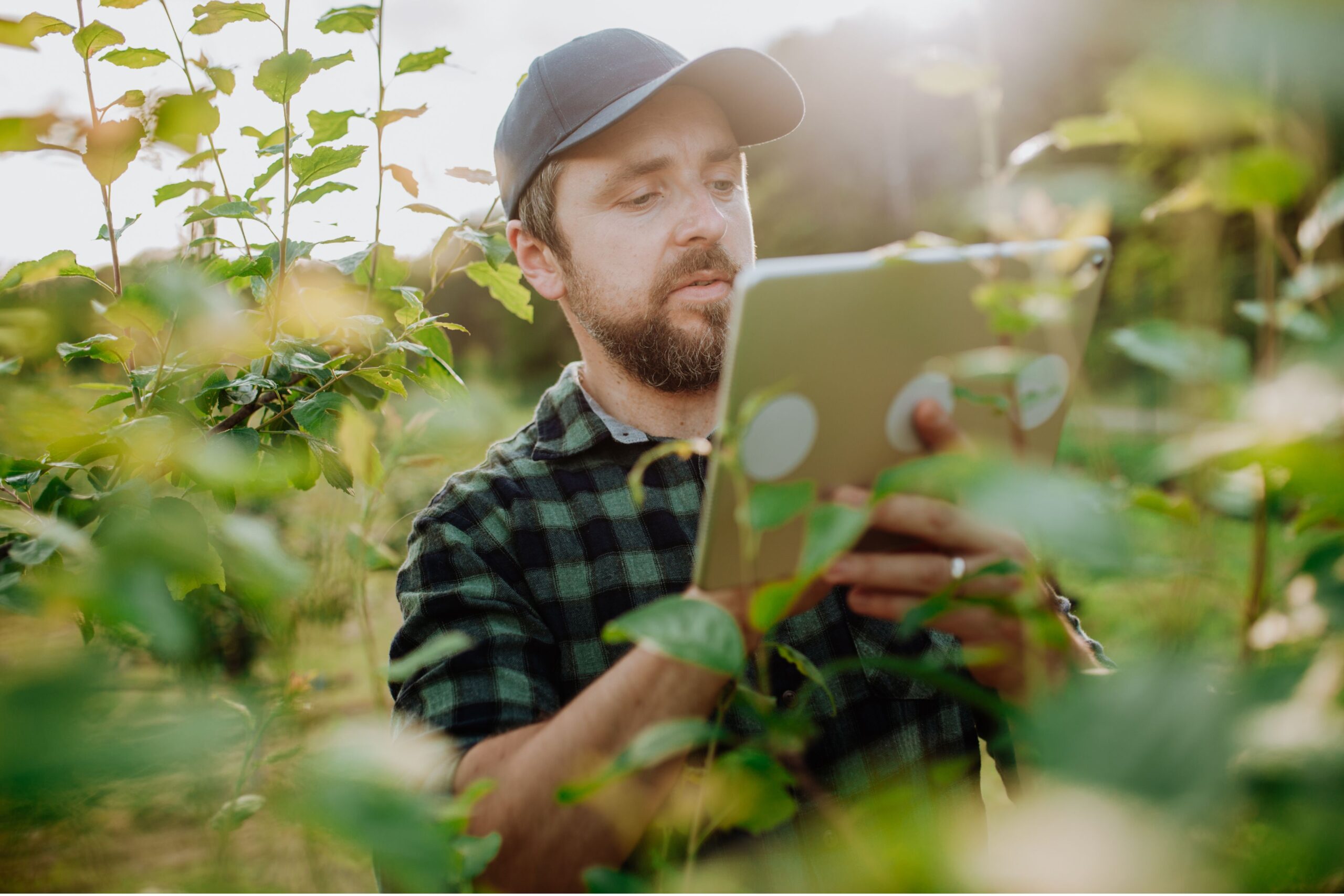
Traditional farming methods harm the environment over time. Therefore, farmers are switching to sustainable agriculture practices. These methods reduce chemical use and preserve natural resources.

Furthermore, consumers demand organic products more than ever. This shift creates new market opportunities for farmers. Indeed, sustainable agriculture offers both environmental and economic benefits.
Climate change threatens traditional farming across Europe. Consequently, farmers must adapt their practices quickly. Sustainable agriculture provides resilient solutions for uncertain weather patterns.
Core Organic Practices Transforming European Farms
Crop rotation is a cornerstone of organic farming. For instance, alternating wheat with legumes enriches soil naturally. This practice eliminates the need for synthetic fertilizers.
Additionally, cover cropping prevents soil erosion effectively. Farmers plant clover or rye between main crops. These plants also suppress weeds without harmful chemicals.

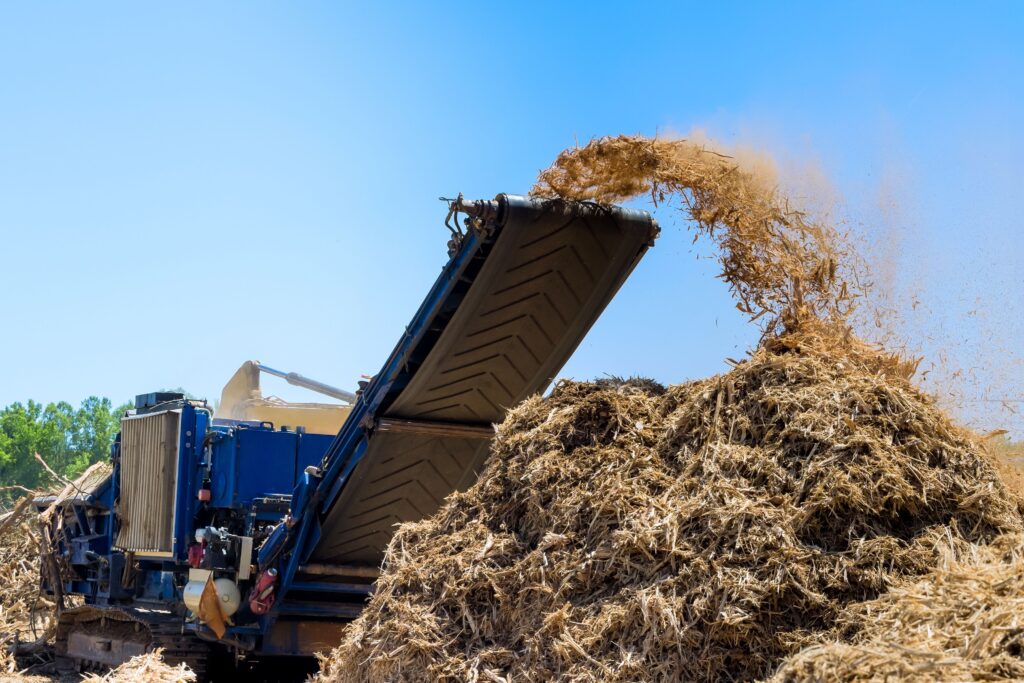
Composting transforms farm waste into valuable nutrients. Moreover, it reduces landfill waste significantly. European farmers embrace this circular approach to resource management.
How Does Sustainable Agriculture Combat Climate Change?
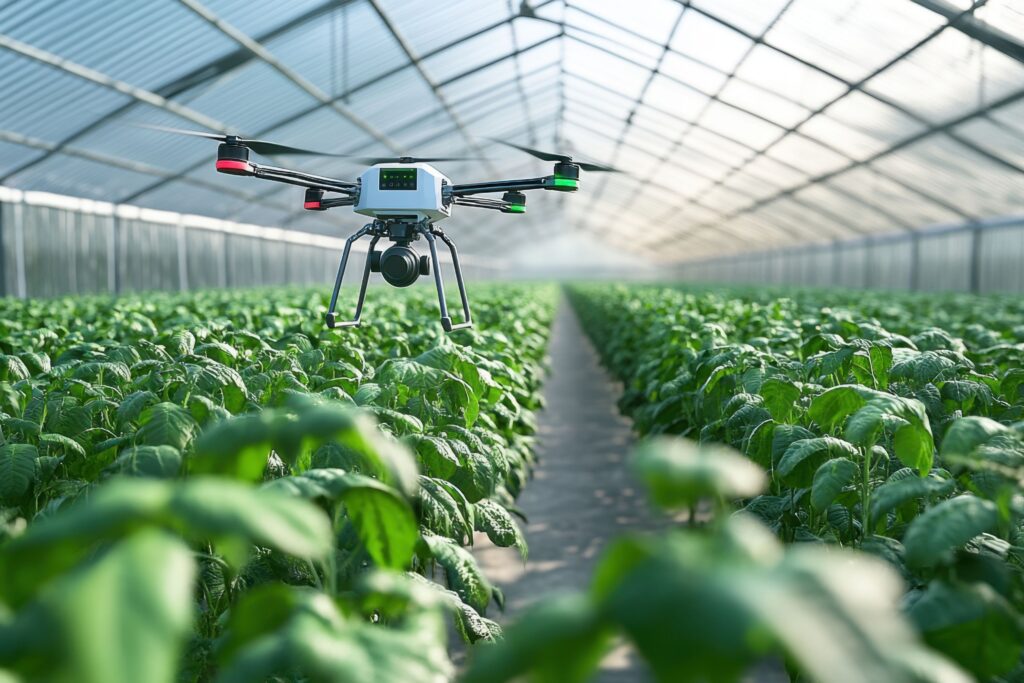
Farmers reduce greenhouse gas emissions through better practices. For example, precision agriculture minimizes fuel consumption. Additionally, organic methods store carbon in healthy soil.
Biodiversity conservation plays a crucial role in climate resilience. Therefore, farmers create wildlife habitats on their land. These ecosystems support pollinators and natural pest control.






Water management has improved dramatically across Europe. Consequently, farmers use drip irrigation to conserve resources. Sustainable agriculture maximizes efficiency while protecting watersheds.


Co-production treaty and European cinema
Europe's co-production treaty network is one of the most consequential, yet least visible, forces in the films that reach your...

Infrastructure funds: a retail investor guide
Infrastructure funds listed in the EU give retail investors access to stable, long-term assets once reserved for institutions. But not...

Wine harvest road trip through EU appellations
September is the finest month to explore Europe's wine culture on the road, moving through protected appellations where landscape, heritage,...

Harvest workshops where kids learn EU crafts
September brings some of the EU's most immersive harvest workshops for children, where rural food culture and traditional crafts come...
Practical Steps for Farmers to Transition
Education is essential for transitioning to sustainable agriculture. Therefore, agricultural colleges offer specialized training programs. Farmers learn organic techniques through hands-on workshops.
Financial support helps overcome initial investment barriers. Consequently, EU subsidies cover transition costs for farmers. These programs make sustainable agriculture accessible to everyone.

Key transition steps include:
- Attend organic farming certification courses
- Join local farmer cooperatives for support
- Apply for EU agricultural transition grants
- Start with small pilot areas before full conversion
Peer networks provide invaluable knowledge sharing opportunities. For instance, farmer cooperatives organize regular field visits. Such collaboration accelerates the adoption of best practices.