
The EU, UK summit carries the promise of something Europe has long needed: a restoration of the fluid, human connections that once made crossing the Channel feel as natural as crossing a piazza.
What the summit actually agreed
On 19 May 2025, the UK government and the EU held their first joint summit since the UK left the EU, adopting a Joint Statement that set out a new strategic partnership and a Common Understanding with commitments to work towards strengthened cooperation across a range of policy areas. For the millions of people who travel between the UK and the EU each year, this moment carries real significance.

The EU, UK summit marked a meaningful reset in relations, featuring broad political alignment and agreements across six key areas: security and defence, trade, migration and mobility, energy, crime, and carbon market cooperation. The reset offers practical steps to ease trade frictions, resume youth exchanges, and enhance energy and security cooperation. Many of those steps speak directly to travellers and shoppers.
The UK, EU relationship has entered a new phase with the announcement of the EU, UK Strategic Partnership. The Joint Statement commits the UK and EU to hold annual summits, with the next expected around May 2026, when the first review of the Trade and Cooperation Agreement is scheduled to take place.
Better borders for travellers
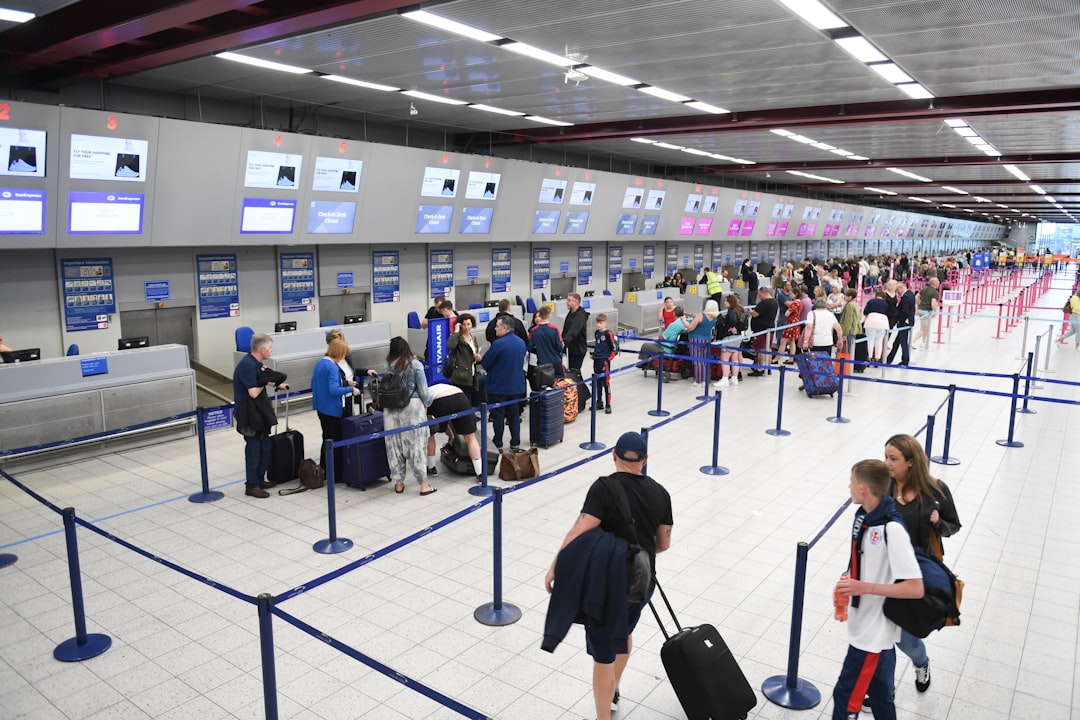
One of the most immediate gains for people crossing between the EU and the UK concerns the experience at border control. Since the UK left the EU, UK nationals have not been able to use eGates in most Schengen countries. This created long queues and a sense of friction that many Europeans found deeply unwelcome.
The Common Understanding states that “there will be no legal barriers to eGate use for British nationals traveling to and from European Union member states” after the introduction of the EU Entry/Exit System. That system matters here: the Common Understanding confirmed that UK citizens would be able to use eGates once the EU’s new automated Entry/Exit System comes into operation, though this would be dependent on member states facilitating this.

Furthermore, for those who wish to take a cat or dog on holiday to the EU, the summit brings welcome news: the return of pet passports eliminates the need for expensive animal health certificates for every trip. For families who travel with their animals across Europe’s ancient landscapes, this is a genuine, tangible relief.
What changes for cross-border shoppers
Since Brexit, EU agri-food exports from the UK are down 21% and imports down 7% between 2018 and 2024, and many businesses have scaled back or stopped trading altogether due to increased costs, paperwork, and delays at borders. Cross-border shoppers have felt this in higher prices and reduced choice.
The UK and EU aim to establish a common sanitary and phytosanitary area through a dedicated agreement, enabling movement of most animals, animal products, plants, and related goods between Great Britain and the EU, eliminating the need for the current certificate and control requirements. This agreement would enable food and agriculture businesses to trade more cheaply and easily, slashing the red tape and costly paperwork that result in businesses facing £200 for export health certificates on every single shipment.
The UK government hopes the changes will ultimately “lower food prices and increase choice on supermarket shelves,” while remaining outside the EU’s single market and customs union. For shoppers on both sides, the prospect of a broader and more affordable selection of European food and drink is a welcome development.

Youth, culture, and the next generation of travellers
Europe’s civilisation rests on the movement of people, ideas, and art across borders. The EU, UK summit acknowledges this clearly. The UK and EU agreed to work towards a youth experience scheme, creating new opportunities for cultural exchange. Any scheme would give young people the opportunity to travel, experience other cultures, and work and study abroad.
Both sides said they would work toward a deal that would make it easier for young people to live and work across the continent. The programme will be designed to enable young people to travel freely in Europe, but it will be capped and time-limited, similar to existing schemes the UK has with countries such as Australia and New Zealand.
British students are also set to once again have access to Europe’s Erasmus scheme, which allows them to study abroad in other European countries. Participants can travel to any European Union member state and to several countries outside it, opening doors to tens of thousands of people across the UK.






Expert perspective on the reset
The summit delivers practical steps that will be felt by ordinary people at airports, supermarkets, and universities. However, many of the most important details remain under negotiation. The eGate agreement, for instance, depends on individual member states actively facilitating the change, and the youth experience scheme requires further formal agreement on caps, duration, and eligibility. The sanitary and phytosanitary deal, which would lower food costs for cross-border shoppers, still needs a full legal framework before it takes effect. Businesses in the food and agriculture sector are cautiously optimistic, but they recognise that announcements and implementation are very different things. The true measure of this reset will be what happens at the next summit and in the months of negotiation that follow it.
Industry perspective, EU, UK trade and mobility policy professionals

What still needs to happen
Many elements of the summit agreement remain provisional, with critical details, especially on funding, legal alignment, and market access, still under negotiation. This is an important point for travellers and shoppers to understand. The benefits are real, but most require further formal steps before they apply in practice.
A committee reviewing the reset found consensus among its witnesses that “the overall economic impact of the government’s reset objectives, if all were achieved, would be marginal, albeit positive.” Moreover, progress in the EU, UK relationship since the May 2025 summit does not adequately reflect the scale of the changes needed. Though the relationship is closer than it was, advances have been gradual.
After months of negotiations, the EU and the UK were planning to hold the next summit on 22 July, though political changes in London put the plan on hold. The summit was part of the reset of UK, EU relationships pursued by the Labour government to move closer to the European Union after the turbulent years that followed the withdrawal from the bloc. The momentum, in other words, continues, even if the timeline shifts.
Why the EU, UK summit matters for everyday life
The EU, UK summit represents far more than a diplomatic document. It speaks to the deep, centuries-old bond between Britain and continental Europe: shared markets, shared culture, and the freedom to move through some of the world’s most extraordinary cities, landscapes, and culinary traditions.

For travellers, the EU, UK summit brings the prospect of shorter queues, easier border crossings, and the return of pet passports for those who wish to explore Europe with the whole family. For shoppers, it offers the possibility of lower food prices and a wider range of European products. For young people, the EU, UK summit signals a renewed invitation to study, work, and connect across a continent of extraordinary depth and variety. Much remains to be negotiated, and patience will be required. However, the direction is clear, and those who love Europe have every reason to follow the next steps with attention and hope.
Discover more about EU, UK summit
- EU, UK Summit, 19 May 2025, Council of the European Union
- The UK, EU reset: Next steps after the May 2025 summit, House of Commons Library
- EU, UK relations: Will 2026 be the year to reset the reset?, Centre for European Reform