


Organic textile shopping in Europe is growing fast, but most buyers still cannot tell a genuine label from a marketing claim.
What organic textile certification actually means
Organic textile certification is a third-party verification system. An independent body checks whether a product meets specific environmental and social standards. These are not just marketing claims. Both major certifications require rigorous, third-party testing and have become global benchmarks for safety, environmental responsibility, and ethical production.
The word “organic” on a label means very little without a named standard behind it. Consumers can end up buying products that are less sustainable than they think, because claims are made on certain characteristics of textile products that in reality do not provide significant environmental benefits. So the first rule is simple: look for a named, recognized certification, not a vague colour or slogan.
2 of the most widely recognized certifications in the industry are the Global Organic Textile Standard (GOTS) and OEKO-TEX Standard 100. Though both promote safer and more responsible textile manufacturing, their focus, criteria, and scope differ significantly.
GOTS: the gold standard for organic textiles
The Global Organic Textile Standard (GOTS) has become the leading international processing standard for organic fibres, setting environmental and social requirements from the first processing step through to labelling. It covers the entire supply chain, from farm to finished product.
GOTS is the leading international standard for organic fibres, covering the entire textile supply chain, from the harvesting of raw materials to environmentally and socially responsible manufacturing, labelling, and distribution. The organic fibre content requirement is a minimum of 70% certified organic fibres for a “made with organic” label, and 95% for a full organic claim.

Textile production is one of the most polluting industries in the world. GOTS-certified fabrics must meet environmental standards at every stage, from organic farming to water treatment and waste management. For a buyer, this means a GOTS label covers both the material and the factory.
OEKO-TEX: chemical safety for all fibre types
OEKO-TEX STANDARD 100 is now one of the world’s most recognised labels for textiles tested for harmful substances, from yarn to finished product. It answers a different question from GOTS. It asks whether the product is safe for the body, not whether it is organically sourced.
OEKO-TEX Standard 100 focuses on product safety by rigorously testing finished items for harmful chemicals. This includes screening for substances such as formaldehyde, heavy metals, and pesticides to ensure they are safe for skin contact. Notably, OEKO-TEX applies to any fibre type, whether it is conventional cotton, eucalyptus, bamboo, or synthetic blends, without requiring the use of organic materials.
Standard 100 is a chemical safety certification. It tests finished textiles against more than 1,000 harmful substance parameters but says nothing about organic content, recycled content, water use, emissions, or labour conditions. This distinction matters. A polyester garment can carry an OEKO-TEX label. That does not make it an organic textile.






Expert perspective on organic textile labelling
Buyers in Europe today face a real problem: a product can carry a credible-looking label and still fall short on sustainability. The key issue is scope. GOTS tells you about the origin of the fibre and the conditions in the factory. OEKO-TEX Standard 100 tells you about chemical safety in the final product. Neither standard alone answers every question. A garment that combines both certifications gives you the strongest assurance currently available. As the EU tightens its Green Claims Directive rules, brands that stack certifications and document their supply chains will be in a much stronger position than those relying on a single label or vague language. Buyers who understand this distinction make better decisions and put pressure on the market to improve.
Industry perspective, sustainability and certification professionals in the European textiles sector
How EU regulation is changing the rules
The European Union is making certification more important, not less. The Empowering Consumers in the Green Transition Directive and Green Claims Directive aim to tackle greenwashing. These rules require brands to back their environmental claims with verified evidence.
The EU’s Empowering Consumers Directive requires businesses to back up environmental claims with clear and verifiable evidence. The directive restricts environmental labels to those based on recognised certification schemes or public authorities, helping build consumer trust and ensure compliance.
Marketing Standard 100 as a “sustainability label” is one of the most common greenwashing errors flagged under the EU Green Claims Directive. For buyers, this means that labels claiming “eco” or “green” without a named standard behind them may soon be illegal in the EU.
How to read a label before you buy
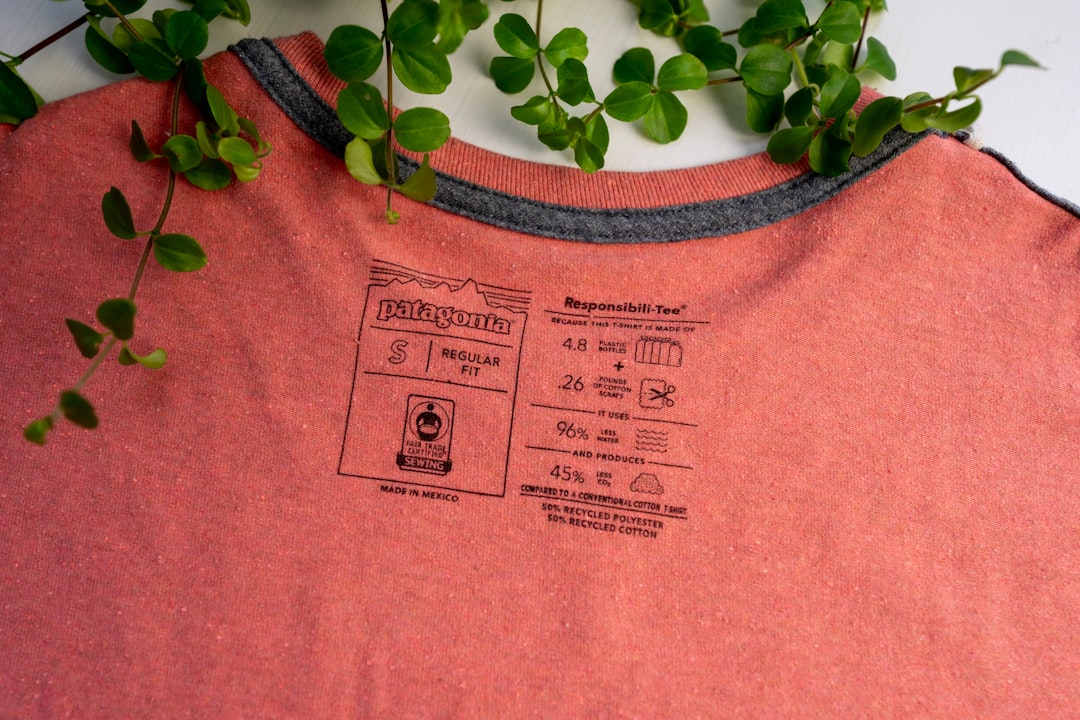
The practical approach is direct. Check for a named certification on the label or product page. GOTS confirms organic fibre and ethical production. OEKO-TEX Standard 100 confirms chemical safety. GOTS does not test the final product for chemical residues. For certified non-toxic assurance, combining GOTS with OEKO-TEX Standard 100 is recommended.
The EU’s Ecodesign for Sustainable Products Regulation (ESPR) and its digital product passport framework mark a shift in how product information will be handled. Under this regulation, products will carry a digital passport containing structured data on composition, durability, reparability, and, for priority sectors such as textiles, likely elements of environmental and chemical information.
This means that within a few years, every EU textile product will need to prove its claims digitally. Buyers who learn to read certifications today will be well ahead of this shift. Start with GOTS for organic content and OEKO-TEX for chemical safety. Combine both where possible.
Conclusion: make organic textile choices that are backed by evidence
Organic textile labelling in Europe is improving, but it still requires attention from the buyer. With a proliferation of different labels and calculation methods on the market, it is difficult for consumers, businesses, and investors to establish if claims are trustworthy. The solution is simple: trust named standards, not general adjectives.

Look for GOTS when you want verified organic fibre and supply chain ethics. Look for OEKO-TEX Standard 100 when chemical safety is your priority. Look for both when you want the strongest guarantee. The EU’s regulatory direction supports this approach. Choosing verified organic textile products is not just a personal decision; it drives market standards forward for every buyer across Europe. Start checking labels today, and share what you learn.
Discover more about organic textile
- EU Strategy for Sustainable and Circular Textiles, European Commission
- OEKO-TEX New Regulations 2025, Official Press Release
- OEKO-TEX unveils 2025 regulations, tightens BPA limits, Just Style