

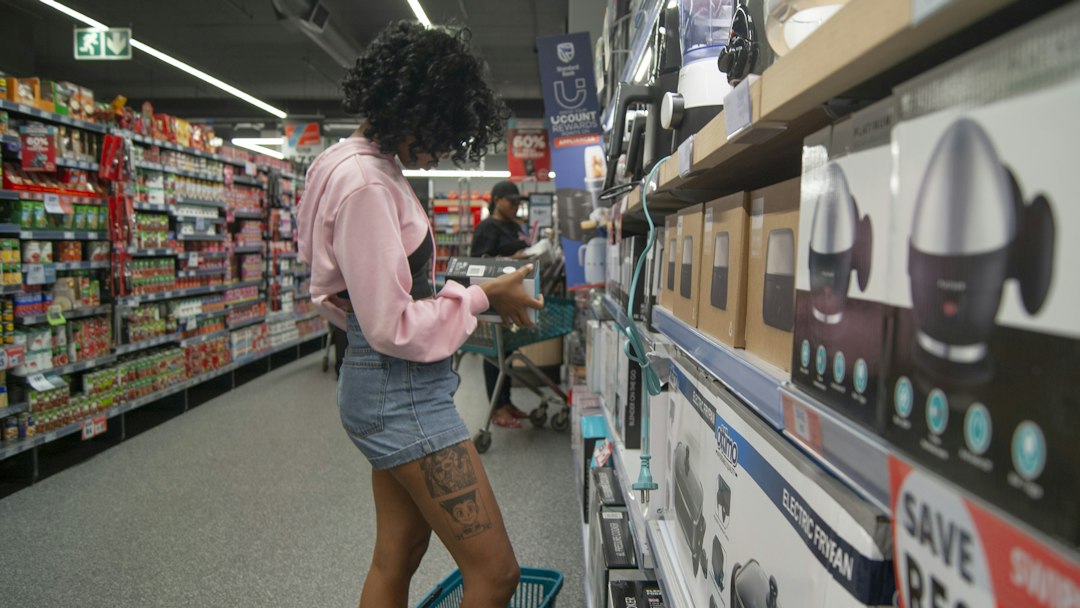
EU ecodesign is not just environmental policy. It is economic strategy, and European households are already seeing the results on their energy bills and at the repair shop.

What EU ecodesign actually does
Certain products sold in Europe must meet minimum requirements related to energy efficiency. These are called ecodesign requirements, and the goal is to reduce the negative environmental impact across the full product lifecycle. In practice, this means manufacturers cannot simply sell whatever they build. They must meet legally binding design standards before any product reaches a European store shelf.
Ecodesign legislation drives efficiency and sustainability by pushing manufacturers to innovate and reduce waste. It has also reduced standby power consumption, cutting energy waste even when devices are switched off. These are not small gains. They add up across millions of homes every year.
The Ecodesign Regulation (EU) 2024/1781 is a key piece of European legislation setting out environmental requirements for products. In July 2024, it replaced the previous Ecodesign Directive and goes significantly beyond it in several areas. The new regulation covers almost all products on the single market, not just energy-related ones.
How the rules make appliances last longer
Minimum energy performance standards for products have been set under the Ecodesign framework for several product groups. The framework works alongside the mandatory Energy Labelling Regulation. Increasingly, regulations also aim to support longer product lifetimes, either directly through minimum requirements on lifetime or indirectly through supporting more repairs.

Manufacturers must provide spare parts for several years after a product is placed on the market. For washing machines and washer-dryers, manufacturers must make essential spare parts available for a minimum of 10 years for professional repairers. That changes the economics of ownership completely. A machine built to be repaired for a decade is a machine built to last.
The implementing act on mobile phones and tablets, adopted in June 2023 and applied from June 2025, requires durable design, longer-lasting batteries, and prolonged availability of software updates and spare parts. This approach is now spreading across more product categories under the new regulation.
The real savings for European households
The financial case for EU ecodesign is straightforward. By making products more efficient and longer-lasting, each household is estimated to have saved an average of €290 in 2022. That figure is set to increase to €475 per year per household by 2030, compared to a scenario without ecodesign and labelling.
The 2024 Ecodesign Impact Accounting Overview Report showed that total expense savings per household in 2020, from EU ecodesign and energy labelling rules, were between €182 and €266. By 2030, these savings are projected to reach between €473 and €736 per household per year, benefiting not only private households but also the services and industry sectors.
In 2021, these regulations reduced the energy consumption of regulated products by 10% and saved consumers 120 billion euros in energy costs, with savings estimated to have doubled in 2022. These are not projections. They are documented outcomes.
Expert perspective on EU ecodesign and innovation
EU ecodesign requirements have consistently pushed manufacturers to move beyond minimum compliance and invest in genuine product innovation. The energy label, combined with binding design standards, creates a competitive dynamic where better performance becomes a market advantage, not just a regulatory obligation. Manufacturers who invest in durability and repairability early gain a stronger position in a market where consumers increasingly factor total cost of ownership into purchasing decisions. The data is clear: products designed under these rules cost less to run, last longer, and generate less waste. That is good for consumers, good for business, and essential for meeting the EU’s broader climate and circular economy targets.
Industry perspective, sustainability and home appliances sector professionals in the European Union
The right to repair: the next step
EU ecodesign rules and the new right to repair law work as a connected system. The Directive on common rules promoting the repair of goods was adopted on 13 June 2024. Member States must transpose it into national rules and apply it from 31 July 2026. This instrument aims to promote more sustainable consumption by increasing repair both within and outside the legal guarantee.
Starting on 31 July 2026, it will be possible to extend the lifecycle of products and create a system that favours repairing a product over purchasing a new one. This applies to household and electronic products such as washing machines, vacuum cleaners, mobile phones, and tablets.
Consumers who choose repair over replacement receive a 12-month warranty extension from the date the repair is completed, which changes the calculation on repair-versus-replace decisions. This gives consumers a real and practical reason to repair rather than discard.

Why EU ecodesign matters beyond your home
EU ecodesign has consequences that reach far beyond individual energy bills. The Ecodesign for Sustainable Products Regulation is intended to embed durability, repairability, and recyclability into the design of certain products, with the goal of reducing waste, improving efficiency, and boosting the EU’s circular economy.
This progress has inspired global adoption of similar rules, preventing non-compliant products from entering EU markets. When Europe sets a standard, manufacturers worldwide must follow it if they want access to the single market. That is regulatory leverage with global reach.






Consumers who use tools such as the EU energy label and the EPREL database to make informed purchasing choices send a strong collective signal to manufacturers: there is demand for more efficient products. Such market trends drive innovation and investment in more sustainable technology. Every purchasing decision is, in this sense, a vote for the kind of market Europe wants to build.

Conclusion: EU ecodesign works, and it will work harder
EU ecodesign already delivers. It saves households hundreds of euros per year, forces manufacturers to build products that last, and gives consumers the information and rights they need to make better choices. The 2024 regulation expands EU ecodesign further, covering more products and setting stricter standards on durability, repairability, and recyclability. The direction is clear: products sold in Europe must earn their place on the market by performing well across their entire life. If you are buying a new appliance, the EU ecodesign label and energy rating are the clearest guides available to you. Use them.
Discover more about EU ecodesign
- EU Energy Efficient Products: Official European Commission Portal
- Ecodesign for Sustainable Products Regulation (ESPR): Overview and 2024 Update
- Right to Repair: New Consumer Rights Apply Across the EU from July 2026