
CONTACT
  • Login
  • Register
Upgrade
EUwebzine
Advertisement
  • Home
    • Our Authors
    • Media Kit
    • Terms and Conditions
    • Cookie Policy
    • Contact
  • Business
  • Culture
  • Gastronomy
  • Travel
  • Sustainable living
  • Insights
    • News
    • Beauty
    • Kids
    • Well-being
    • Creativity
    • Sports
  • Global Europe
  • Local Guide
    • Activities in Europe
    • Hotels in Europe
    • Nightlife in Europe
    • Restaurants in Europe
    • Services in Europe
    • Shopping in Europe
  • Home
    • Our Authors
    • Media Kit
    • Terms and Conditions
    • Cookie Policy
    • Contact
  • Business
  • Culture
  • Gastronomy
  • Travel
  • Sustainable living
  • Insights
    • News
    • Beauty
    • Kids
    • Well-being
    • Creativity
    • Sports
  • Global Europe
  • Local Guide
    • Activities in Europe
    • Hotels in Europe
    • Nightlife in Europe
    • Restaurants in Europe
    • Services in Europe
    • Shopping in Europe
No Result
View All Result
EUwebzine
No Result
View All Result
Home Sustainable living

Daily rhythm reset for EU autumn

Use fewer resources, sleep better, and stay productive as European daylight shrinks each week.

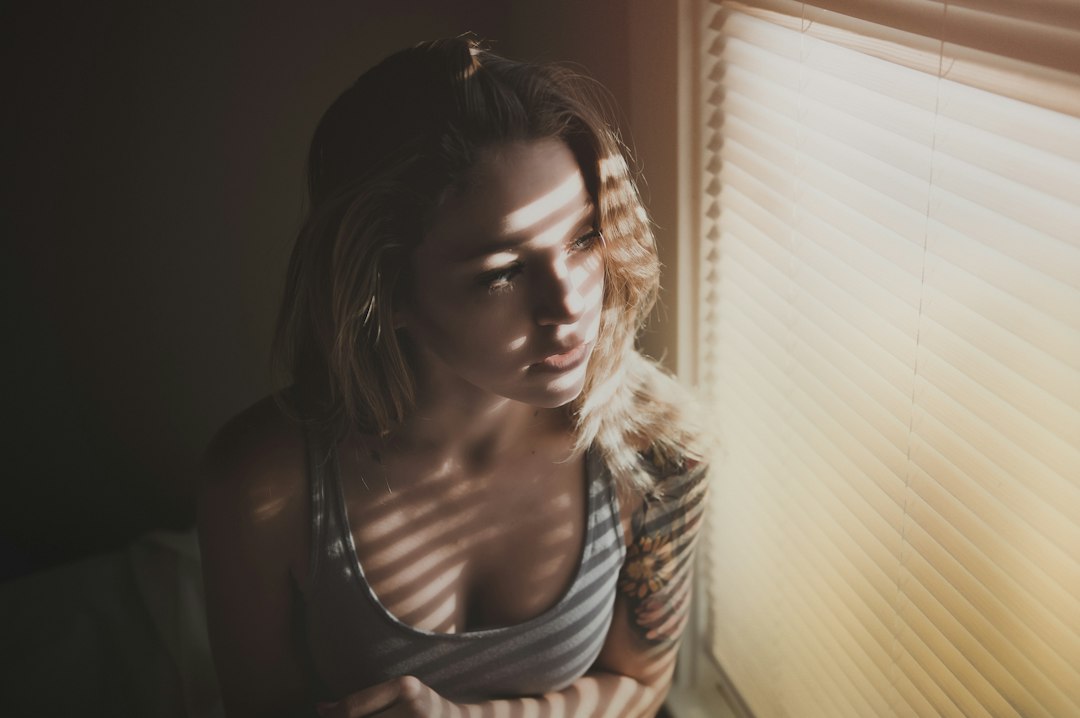
A woman standing by a bright window in autumn morning light, actively resetting her daily rhythm with natural light exposure.

Your daily rhythm faces its biggest annual test as EU daylight contracts toward autumn, and the strategies you apply in the next few weeks will determine how well your body, home, and energy use perform until spring.

Why EU autumn disrupts more than your sleep

Under current EU rules, all member states switch back to standard time on the last Sunday in October. That single hour shift affects far more than your alarm clock. Circadian rhythms are 24-hour cycles in your brain that regulate alertness and sleepiness, and they influence sleep-wake cycles, memory, metabolic regulation, and hormonal balance.

Disruptions in these rhythms, from changes in light, melatonin, and cortisol levels, can increase the risk of chronic conditions such as diabetes, obesity, and seasonal affective disorder. The autumn clock change accelerates this disruption. Biological rhythms are disrupted twice a year by the clock change, and no measurable energy saving compensates for that cost.

The debate about whether to end clock changes is still active. In June 2025, a Finnish MEP urged the European Commission to end seasonal clock changes, and the Commission responded by announcing a new study to review legal and practical challenges. Until EU policy settles the question, residents must manage the transition themselves.

Reset your light exposure first

Light is the primary signal your body uses to set its daily rhythm. As the sun sets in the evening, the brain begins producing melatonin, a hormone that induces sleepiness. In autumn, that process starts earlier, pulling your energy and focus forward by up to 2 hours compared to summer. You need to counter this actively.

Get outside for at least 20 minutes between 7:00 and 10:00 each morning. Natural morning light suppresses melatonin and sends a clear start signal to your body clock. Maintaining a consistent sleep schedule and daily routine, along with strategies like timed light exposure, are among the most effective ways to support a healthy circadian rhythm.

In the evening, reduce artificial light after 20:00. Use warm-toned bulbs in living areas and avoid bright overhead lighting in the 2 hours before bed. This small change aligns your home environment with the natural autumn light cycle rather than fighting it.

Restructure your home for the season

Autumn is the right moment to reorganize your living space around shorter days and lower temperatures. Move your primary work area closer to a window. Position your desk so that natural light reaches your face during morning hours. This supports your daily rhythm without any additional energy cost.

Key renovation activities that improve household energy efficiency include upgrading thermal insulation in external walls, roofs, or floors, and replacing single-glazed windows. If a full renovation is not possible now, draft-proof your doors and windows with adhesive seals. This costs less than 20 euros per room and reduces heating demand by a measurable amount.

-

A woman examining a clothing label in a retail store to verify green claims before purchasing

Green claims labels: what to check first

25/09/2026
A woman examining the EU energy label on a washing machine in a home appliance store, guided by EU ecodesign rules.

EU ecodesign rules for lasting appliances

18/09/2026
EU Ecolabel certification mark on a wooden desk in a furniture showroom, choosing verified workspace furniture.

EU Ecolabel furniture for your workspace

04/09/2026
A woman closely examining an organic textile certification label on a garment in a retail store

Organic textile certifications explained

03/09/2026
A woman carefully reading the EU Ecolabel flower logo on a cleaning product in a European supermarket aisle

EU Ecolabel home routine that cuts waste

26/08/2026
A woman examining a garment label in a clothing store to verify textile recycling certification marks

Textile recycling certifications explained

17/08/2026

The European Commission has included a specific Heating and Cooling initiative in its energy policy agenda for 2026. That reflects a broader EU recognition that how you heat and cool your home matters for both cost and climate. Start your seasonal preparation now by setting your thermostat to 19 degrees Celsius during the day and 16 degrees at night.
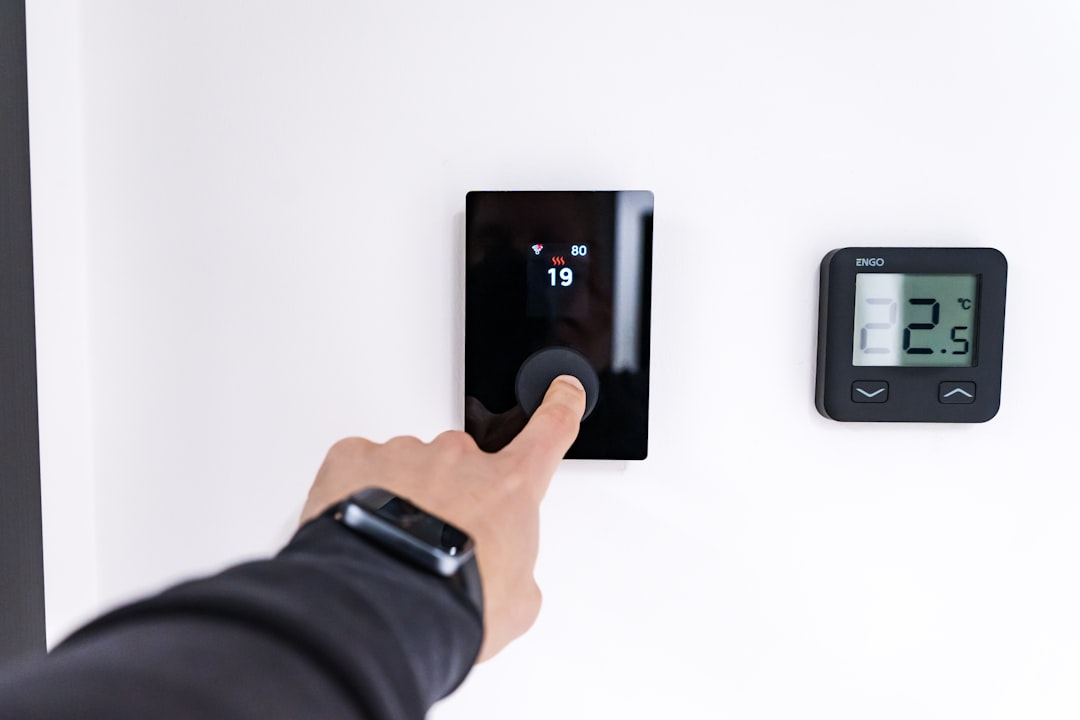
A man adjusting a wall thermostat at home in autumn, taking practical steps to align his daily rhythm and energy use.

Align your routine with the energy agenda

47% of the EU’s electricity now comes from renewable sources, and that share continues to grow. Renewable energy output varies across the day. In most EU countries, solar generation peaks between 10:00 and 14:00. If you shift energy-heavy tasks, such as running a dishwasher, washing machine, or electric oven, to that window, you use a cleaner and often cheaper supply.

This is not just a personal saving. It is a direct contribution to grid stability as Europe expands its renewable capacity. Your routine and Europe’s energy transition point in the same direction.

Expert perspective on light, biology, and EU time policy

The debate about daylight saving time in the European Union is not simply administrative. At its core, it concerns biological health. Our circadian systems evolved in relation to natural light, and any policy that creates a mismatch between social time and solar time imposes a physiological cost on every resident across the bloc. The autumn transition is particularly significant because it compresses the light period at a moment when the body is already adjusting to seasonal change. Aligning social rhythms with biological rhythms is not a preference; it is a measurable health and productivity outcome. The EU has the tools and the scientific evidence to act. The priority now should be implementation, not further delay.

Industry perspective, sustainable health and time policy professionals in the European Union
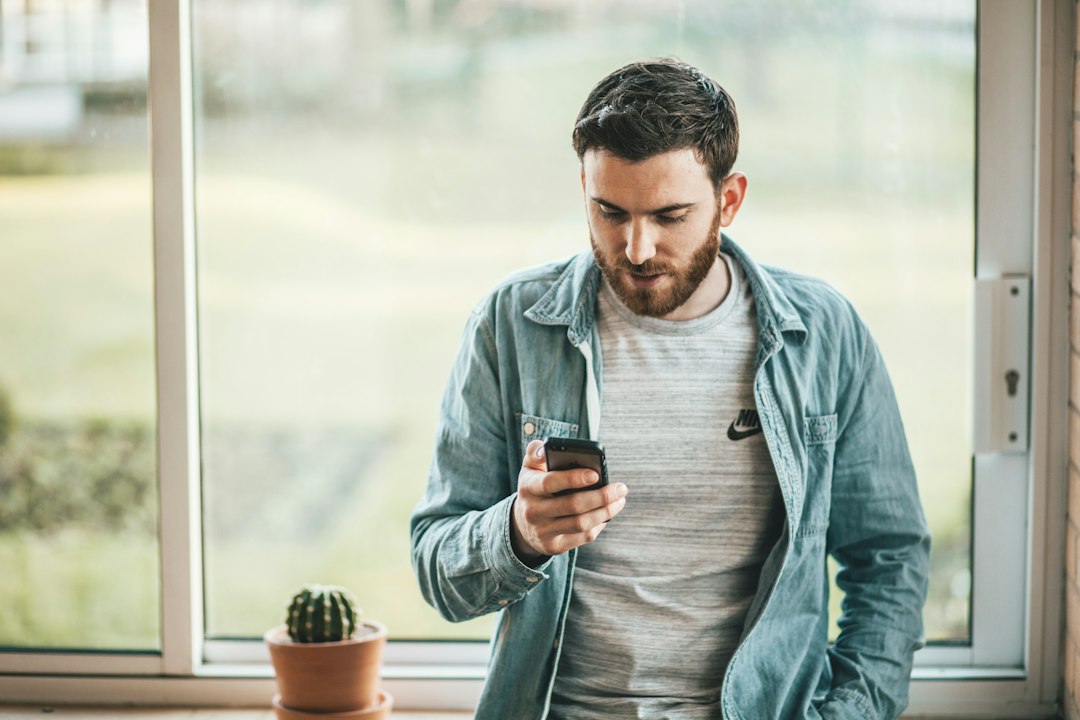
A person checking an energy monitoring app on a smartphone in the morning, tracking household consumption

Build a 2-week reset plan

A practical reset does not require large changes. It requires consistent, small actions repeated over 14 days. Set a fixed wake time and hold it across all 7 days of the week, including weekends. A strong, unperturbed circadian clock is a recognized hallmark of healthy aging. Consistency is the mechanism that strengthens it.

Eat your largest meal before 14:00. Heavy meals close to bedtime lead to poor sleep and hormone disruption. Shift dinner to a lighter format and move the main calorie load earlier in the day. This single change supports both sleep quality and metabolic function.

Track your energy use for the same 2 weeks. Many EU energy providers now offer free apps or online dashboards. Seeing your consumption data in real time makes it easier to adjust habits. The EU-SILC module on energy and the environment focuses on key social aspects of the green transition, addressing information gaps and supporting stronger monitoring. Informed households make better decisions.

Conclusion: your daily rhythm is your foundation

Your daily rhythm is not a background condition. It is the structure on which your health, focus, and home efficiency depend. As EU autumn shortens the days, the residents who adjust proactively will feel and perform better than those who simply wait for the season to pass. Reset your light exposure, restructure your home, and align your routine with the EU energy agenda. These are concrete steps, not vague suggestions. Start this week, hold the changes for 14 days, and your daily rhythm will stabilize. The season will not change for you; you need to change for the season.

Discover more about daily rhythm

  • Seasonal clock changes in the EU: Council policy overview
  • Living conditions in Europe: energy efficiency in households (Eurostat)
  • What’s next for daylight saving time in the EU? (TimeandDate analysis, updated October 2025)
author avatar
Thomas van der Berg
Thomas van der Berg studied business and technology at the University of Amsterdam and has spent 15 years at the intersection of European innovation, sustainability, and entrepreneurship. From Amsterdam's thriving startup scene to the EU's green economy transition, he writes with the pragmatic clarity that Dutch culture is known for. His work connects business strategy with Europe's broader social and environmental agenda.
See Full Bio
Previous Post

EU competitiveness agenda: what’s next

Next Post

Green claims labels: what to check first

Related Posts

A woman examining a clothing label in a retail store to verify green claims before purchasing
Sustainable living

Green claims labels: what to check first

25/09/2026
A woman examining the EU energy label on a washing machine in a home appliance store, guided by EU ecodesign rules.
Sustainable living

EU ecodesign rules for lasting appliances

18/09/2026
EU Ecolabel certification mark on a wooden desk in a furniture showroom, choosing verified workspace furniture.
Sustainable living

EU Ecolabel furniture for your workspace

04/09/2026
A woman closely examining an organic textile certification label on a garment in a retail store
Sustainable living

Organic textile certifications explained

03/09/2026
A woman carefully reading the EU Ecolabel flower logo on a cleaning product in a European supermarket aisle
Sustainable living

EU Ecolabel home routine that cuts waste

26/08/2026
Next Post
A woman examining a clothing label in a retail store to verify green claims before purchasing

Green claims labels: what to check first

Leave a Reply Cancel reply

Your email address will not be published. Required fields are marked *

Truelang, tranlation plugin Truelang, tranlation plugin Truelang, tranlation plugin
No Result
View All Result

Our Focus

EUwebzine is your international window on Europe: lifestyle, business, culture, sports and events for a global audience following the continent's evolving story.

Our Readers

EUwebzine addresses readers who engage with Europe at a high level: professionally, financially, strategically, and as decision-makers in their fields.

Our Approach

Lifestyle, policy, and culture are integrated as context and indicators of economic cohesion, political direction, and Europe's role on the global stage, not standalone entertainment.

Recent Post

  • Green claims labels: what to check first
  • Daily rhythm reset for EU autumn

© 2026 EUwebzine by NOOR & NOOR — part of WEBZINE.world.

Welcome Back!

Login to your account below

Forgotten Password? Sign Up

Create New Account!

Fill the forms bellow to register

All fields are required. Log In

Retrieve your password

Please enter your username or email address to reset your password.

Log In
Manage Consent
To provide the best experiences, we use technologies like cookies to store and/or access device information. Consenting to these technologies will allow us to process data such as browsing behavior or unique IDs on this site. Not consenting or withdrawing consent, may adversely affect certain features and functions.
Functional Always active
The technical storage or access is strictly necessary for the legitimate purpose of enabling the use of a specific service explicitly requested by the subscriber or user, or for the sole purpose of carrying out the transmission of a communication over an electronic communications network.
Preferences
The technical storage or access is necessary for the legitimate purpose of storing preferences that are not requested by the subscriber or user.
Statistics
The technical storage or access that is used exclusively for statistical purposes. The technical storage or access that is used exclusively for anonymous statistical purposes. Without a subpoena, voluntary compliance on the part of your Internet Service Provider, or additional records from a third party, information stored or retrieved for this purpose alone cannot usually be used to identify you.
Marketing
The technical storage or access is required to create user profiles to send advertising, or to track the user on a website or across several websites for similar marketing purposes.
  • Manage options
  • Manage services
  • Manage {vendor_count} vendors
  • Read more about these purposes
View preferences
  • {title}
  • {title}
  • {title}
No Result
View All Result
  • Home
    • Our Authors
    • Media Kit
    • Terms and Conditions
    • Cookie Policy
    • Contact
  • Business
  • Culture
  • Gastronomy
  • Travel
  • Sustainable living
  • Insights
    • News
    • Beauty
    • Kids
    • Well-being
    • Creativity
    • Sports
  • Global Europe
  • Local Guide
    • Activities in Europe
    • Hotels in Europe
    • Nightlife in Europe
    • Restaurants in Europe
    • Services in Europe
    • Shopping in Europe

© 2026 EUwebzine by NOOR & NOOR — part of WEBZINE.world.

Not enough quota to unlock this post
Unlock left : 0
Are you sure want to cancel subscription?
Verified by MonsterInsights
enEnglishdeDeutschesEspañolfrFrançaisnlNederlands