

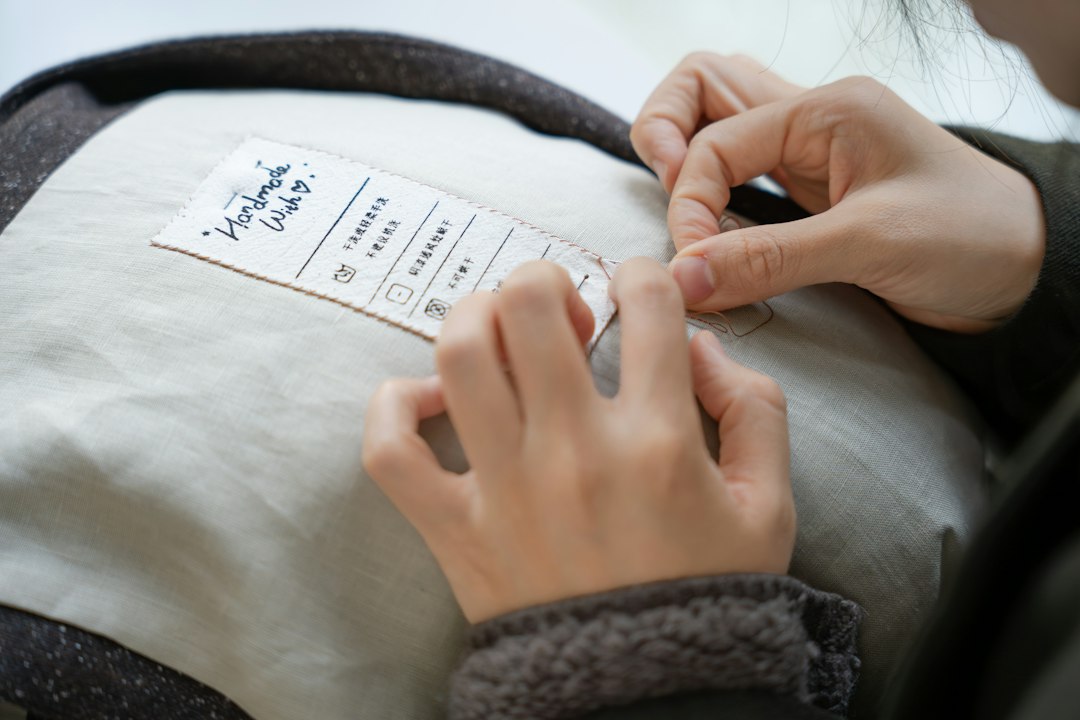
Green claims on clothing labels are no longer a marketing choice in the European Union. They are a legal matter, and this autumn is the moment every shopper needs to know the difference.
Why green claims on labels matter right now
From 27 September 2026, Directive (EU) 2024/825, officially called “Empowering Consumers for the Green Transition” (ECGT), takes effect across all 27 EU member states. It cracks down on greenwashing by banning a defined list of vague or unsubstantiated environmental marketing claims.
In an EU-wide sweep in 2020, consumer protection authorities found that 39% of sustainability claims in the fashion sector could be considered misleading. That figure explains why the EU acted. The rules define an environmental claim as any statement indicating that a product has a positive or no impact on the environment, or is less harmful to the environment than others, for example, advertising clothing as “sustainable”, “eco-friendly”, or “good for the environment”.
Many consumers confuse 2 separate frameworks: the ECGT, which takes effect on 27 September 2026, and the original Green Claims Directive proposal, which is currently on hold and may never be adopted. The ECGT is the law that counts right now. As a shopper, you need to understand what it means for the labels you read in the store.
What the law now bans from clothing labels
Any claim that implies an environmental benefit, on product labels, hangtags, websites, marketing campaigns, or collection names, must be specific, verifiable, and supported by recognised evidence. Generic claims, vague language, and self-created eco-labels are explicitly prohibited.
The ECGT explicitly bans generic environmental claims without evidence, claims based solely on carbon offsetting, and unapproved sustainability labels. In practical terms, a brand can no longer print “conscious collection” or “planet-friendly” on a hangtag without documented proof that matches that specific claim.
Furthermore, the proof must directly match the claim. For example, an energy label can support a claim like “energy efficient”, but not a broad claim like “sustainable” or “responsible.” A fashion brand cannot call a garment “sustainable” just because it holds one certification, since sustainability also covers social aspects.

How to read a label before you buy
The first step is to look for a recognised certification mark. Labels based on official certification schemes such as GOTS, Oeko-Tex, and the EU Ecolabel, or labels established by public authorities, are explicitly allowed under the ECGT.
Certification schemes underpinning sustainability labels must meet requirements on transparency, openness, and credibility. The trader’s compliance with the scheme’s standards must be verified by a third party that is independent from both the scheme owner and the trader. If you see a logo you do not recognise, treat it with caution. Ask yourself: is this mark connected to an independent body, or did the brand create it itself?
The label must be linked to substantiated environmental performance, and supporting documentation must be made publicly accessible, often via a QR code or web link. Use that QR code. A brand with nothing to hide will point you directly to verifiable data.
Expert perspective on green claims and consumer trust
The fashion sector is entering a new phase of accountability. For years, brands communicated sustainability through aspirational language because no binding standard required anything more specific. That changes now. The ECGT sets a clear floor: every environmental claim must connect to a measurable, independently verified fact. This is positive for consumers and for the brands that invested seriously in their supply chains. The labels that survive scrutiny will carry far more commercial value than vague words ever did. Shoppers who learn to distinguish certified labels from self-declared ones hold real purchasing power, and that power drives better industry standards over time.
Industry perspective, sustainability and consumer protection professionals in the EU textile sector






What happens when brands break the rules
The ECGT predominantly targets misleading claims in business-to-consumer communications. The new rules apply to environmental claims and sustainability labels on products already on the market, not only to new materials. Enforcement runs through existing national consumer protection regimes, including actions by national regulators and individual consumer remedies.
Member states have already intensified enforcement, targeting claims about carbon neutrality, circularity, and sustainability across aviation, fashion, logistics, and consumer goods. This autumn, you may already see fewer “eco” and “green” labels on shelves. That is not an accident. Brands are revising their communication to avoid penalties before enforcement intensifies.
Oeko-Tex, the internationally recognised certification scheme for textile and leather sustainability, has announced a comprehensive restructuring of its governance framework. The changes come ahead of the ECGT Directive, set to take effect from 27 September 2026. The reorganisation is designed to ensure that Oeko-Tex’s sustainability labels remain legally compliant as new national laws across EU member states are progressively introduced.

A practical checklist for autumn shopping
Before you buy any clothing item this season, run through 3 quick checks:
1. Identify the claim. Words like “eco-friendly”, “natural”, or “conscious” without specific detail are red flags. A valid claim names exactly what it covers, for example “made from 50% certified organic cotton”. 2. Find the certification. Look for GOTS, Oeko-Tex Standard 100, or the EU Ecolabel. If the label was created by the brand itself with no external oversight, it does not comply with ECGT standards. 3. Verify the evidence. The ECGT also amends the Consumer Rights Directive to ensure customers know how long a garment will last and whether it can be repaired. Before you complete a purchase, the seller must provide information on repairability. Check the product page or tag for this information.
Conclusion: green claims are now your strongest shopping tool
Green claims on clothing labels carry legal force in the EU from autumn 2026. Use that fact. When you see a recognised certification mark, backed by independent verification and specific data, you are looking at a brand that invested in real transparency. When you see vague language with no supporting evidence, you are looking at a brand that has not met the standard. The ECGT intends to ensure consumers receive clear, accurate, and comparable sustainability information, while also driving competition. That competition rewards the informed shopper. Read the green claims, check the certification, scan the QR code, and buy with confidence this season.

Discover more about green claims
- Empowering Consumers for the Green Transition Directive: Dos and Don’ts for Textiles (EU Textiles Ecosystem Platform)
- EU ECGT (EU) 2024/825 Guide: Greenwashing Rules for Fashion (Greenstitch)
- EU Empowering Consumers Directive: New Rules on Green Claims Apply From 27 September 2026 (Latham & Watkins)