


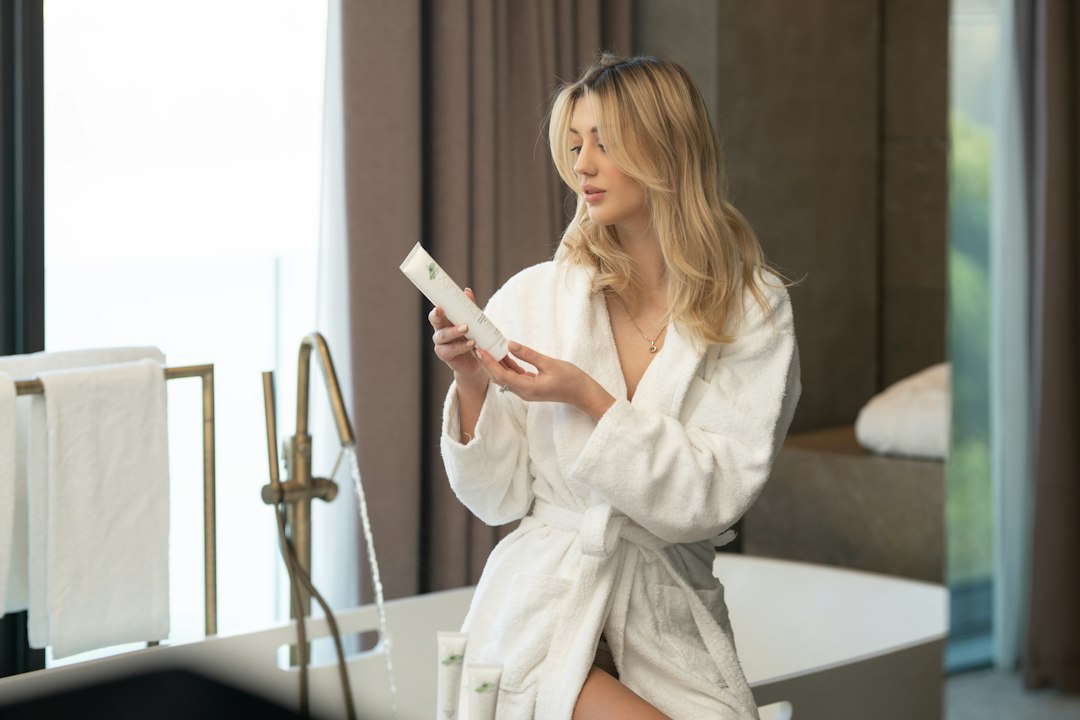
Switching to winter skincare often means swapping a light gel for something thicker once the heating comes on at home. In the EU, that seasonal change runs into real paperwork: ingredient lists reordered by concentration, allergen warnings expanding under new rules, and expiry symbols that matter more once a jar sits half used for months. This guide walks through what changes on the label, what EU cosmetic rules actually require, and which steps protect your skin before the cold truly sets in.
What changes in your winter skincare cabinet this season
Every cream, serum or balm sold in the EU falls under Regulation (EC) No 1223/2009, the cosmetics law that sets out labelling, safety and ingredient rules across all member states. Winter formulas tend to carry more oils, waxes and fragrance compounds than summer ones, so they trigger more of these labelling requirements at once. A jar of rich night cream can sit open on your shelf for eight or nine months of cold weather, which makes certain symbols on the packaging more relevant than they are in July.
Three parts of the label deserve your attention before you buy anything new this season: the ingredient list itself, the fragrance allergen declarations, and the small jar symbol that tells you how long the product stays safe once opened. Each one answers a different practical question, and each one is changing under current EU rules.
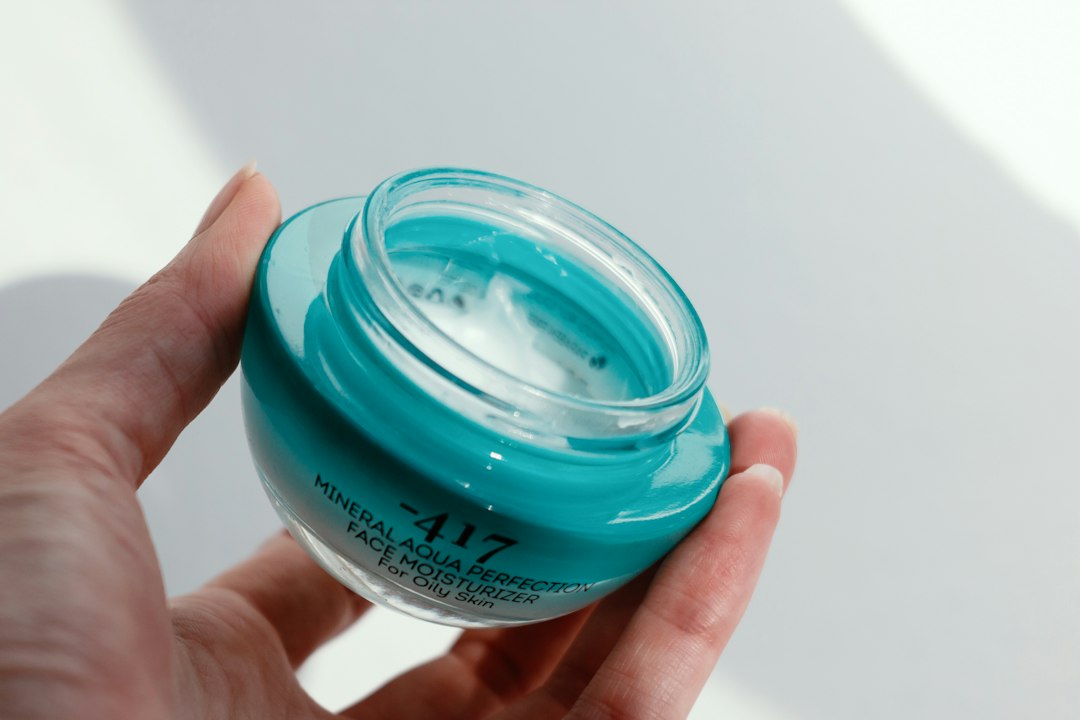
Checking the ingredient list on a heavier cream
Richer winter creams often add shea butter, ceramides, plant oils and thicker emulsifiers than their summer counterparts. Under EU cosmetics law, every ingredient appears on the pack by its INCI name, listed in descending order of concentration, so the first names on the list are the ones that actually dominate the formula.
When a name on the list means nothing to you, the CosIng is the European Commission database for information on cosmetic ingredients contained in the Cosmetics Regulation (EC) No 1223/2009, searchable by INCI name or CAS number. It is free, public and the fastest way to check whether an unfamiliar word is a plant extract, a preservative or a synthetic fragrance compound. Five minutes with the search bar settles more arguments than a dozen online reviews.
The fragrance allergen list is about to get longer
Many winter formulas lean on essential oils, balsams and warming spice extracts for scent, which puts more fragrance allergens into the mix. Commission adopted Regulation (EU) 2023/1545 to update labelling of fragrance allergens under Annex III to Regulation (EC) 1223/2009, and the change is substantial. The list expands to roughly 80 individually declarable fragrance allergens, up from the 24 named substances that applied before.
An allergen has to appear by name once the concentration of these allergens exceeds 0.001% in leave-on products or 0.01% in rinse-off products, which covers most creams, balms and body oils you would reach for in winter. New products placed on the market shall comply with the new requirement by 31st Jul 2026, while products already on shelves shall comply with the new requirement by 31st July 2028. If you patch-test new skincare before committing to a full-size jar, checking this expanded allergen list is now worth the extra thirty seconds.
Reading the open-jar symbol before a cream spends winter in your bathroom
The period-after-opening symbol, or PAO symbol, identifies the useful lifetime of a cosmetic product after its package has been opened for the first time. It depicts an open cosmetics pot and is used together with a written number of months or years. The symbol matters more in winter than in summer, because a heavy face cream or lip balm can sit half-used on a shelf for the whole cold season rather than getting finished in a few weeks.
For products with a shelf life of 30 months or more, an MDD is not required, but a PAO must be indicated instead. That means most jars and tubes in the EU carry a small open-jar icon reading "6M", "12M" or "24M" rather than a printed expiry date. Products like single-use items, aerosols, and soaps do not require a PAO, so do not expect to find the symbol on everything in your bathroom. Before you open a new winter cream, glance at that number, because once the jar is open the clock on safe use starts running.

Buying skincare from outside the EU
Winter sales season brings tempting skincare deals from retailers based outside the EU, often shipped directly from the UK, the US or Asia. EU cosmetics law requires every product sold on the EU market to have a Responsible Person established inside the EU or EEA, who takes legal responsibility for its safety file and labelling. A product shipped directly from outside the bloc, without that Responsible Person named on the pack, sits in a grey area and may skip the ingredient and allergen rules described above entirely.
Before adding a tempting winter bundle to your basket, check the label or the product page for an EU address alongside the brand name. If you cannot find one, treat the allergen declarations and PAO symbol as unverified rather than assuming EU standards apply.
What to do first, and what can wait
Start with the products touching your face the longest: night creams, balms and any new fragrance you plan to wear daily through winter. Check the ingredient list for the actives you tolerate well, and run anything unfamiliar through CosIng before buying a full-size jar. Look at the PAO symbol while you are at it, since a cream rated "6M" bought in November will likely need replacing before spring arrives.
The expanded allergen list is not urgent for anything already in your cabinet, since existing stock has until 31 July 2028 to comply, so there is no need to discard current products out of caution. Hold off on panic-buying so-called safe alternatives, too. The bigger priority is simply reading what is already in front of you, because the label rarely lies about what is inside the jar.