

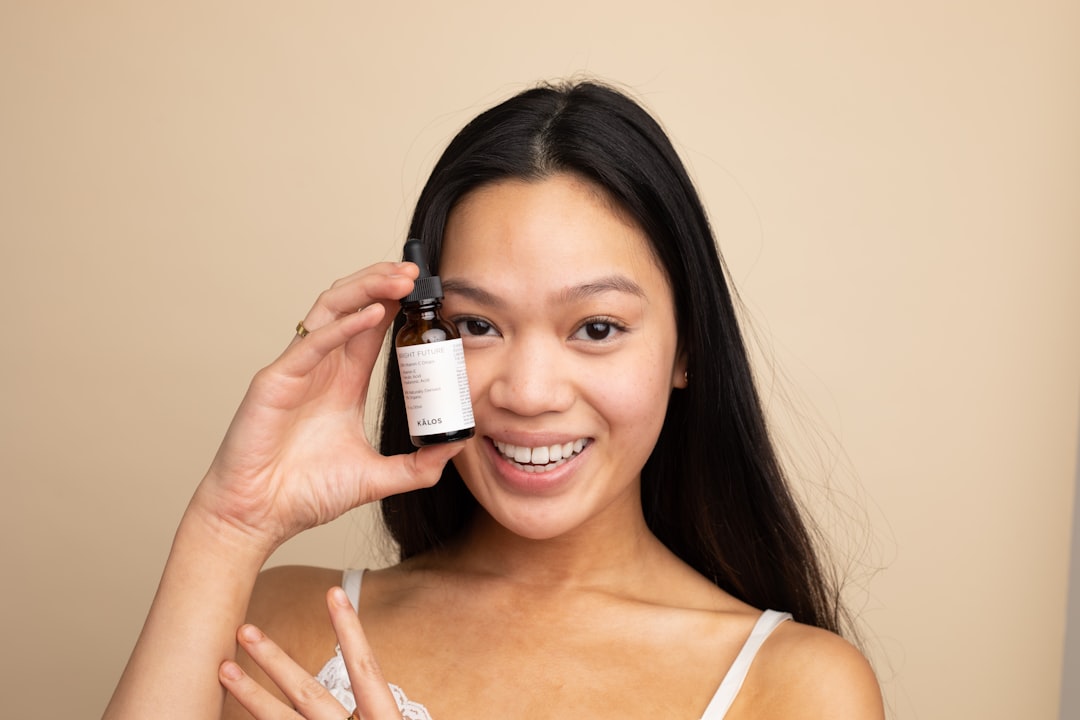
EU skincare is the quiet standard that separates informed beauty choices from marketing noise, and these 7 ingredients have passed every test the European Union demands.
Why EU regulation matters for your skin
Regulation (EC) No 1223/2009 is the main regulatory framework for cosmetic products placed on the EU market. It is not a guideline. It is binding law, and it applies to every product sold across all 27 member states.

The Scientific Committee on Consumer Safety (SCCS) plays a critical role in this framework. It offers detailed guidance on the safety assessment methods for cosmetic ingredients and consistently monitors their safety risks. When a potential risk to human health arises, the European Commission asks the SCCS to assess the safety of ingredients under reasonably foreseeable exposure conditions.
The regulations for placing cosmetics on the European market are among the most stringent in the world. So when an ingredient clears this process, it carries something money cannot buy: verified safety, backed by independent science.
3 vitamins and actives with strong regulatory backing
Niacinamide (vitamin B3) is one of the most studied ingredients in modern EU skincare. It reduces the appearance of enlarged pores, supports the skin barrier, and addresses uneven skin tone. The EU permits it without concentration restrictions in standard leave-on formulations, reflecting strong SCCS safety confidence.
Hyaluronic acid holds water molecules in the upper layers of the skin. It occurs naturally in the human body, which gives it an excellent tolerance profile. Regulators impose no general restriction on its use in cosmetic products, and it appears safely in serums, creams, and eye treatments across the EU market.

Vitamin C (ascorbic acid and its derivatives) brightens skin, stimulates collagen synthesis, and neutralises oxidative stress. Concentrations in retail EU skincare products typically range from 5% to 20%. Brands must document safety for each formulation. The result is a vitamin C product that arrives on a European shelf only after expert review.
Retinol and arbutin: precision regulation for real results
Retinol is perhaps the most discussed active in EU skincare today. Following several assessments by the SCCS, the EU introduced stricter limits on retinol, retinyl acetate, and retinyl palmitate. These limits address potential cumulative vitamin A exposure from both diet and skincare use. New maximum concentrations set face and hand leave-on products at no more than 0.3% retinol equivalent.
This is not a restriction to fear. It is precision. A well-formulated retinol product at 0.3% delivers genuine skin renewal, with a safety ceiling that protects you from excess systemic exposure. The regulation aims to improve safety standards, foster innovation, and reduce the environmental impact within the cosmetics industry.
Alpha-arbutin brightens skin by inhibiting the enzyme that produces melanin. Arbutin and alpha-arbutin were reassessed for their potential to release hydroquinone. The amendment sets new concentration limits and purity standards for both substances. This means the alpha-arbutin in your EU-purchased serum meets a specific purity standard. You choose brightness, and you choose safety at the same time.

Expert perspective on EU skincare regulation
The European regulatory model for cosmetics sets a global benchmark because it links scientific opinion directly to legal obligation. When the SCCS issues an opinion on an ingredient, that opinion does not simply inform industry practice. It triggers a formal legislative process that amends the annexes of the Cosmetics Regulation. This means that every restriction, every concentration limit, every purity standard you see on a compliant EU product label reflects peer-reviewed toxicology, not market lobbying. For consumers, this creates something rare in beauty: a system where the absence of a ban is itself meaningful. If an active ingredient remains on the permitted list after active SCCS scrutiny, it has been reviewed and found safe under realistic conditions of use. That is the foundation of genuine confidence in a skincare routine.
Industry perspective, cosmetic safety and regulatory compliance professionals in the European Union
Ceramides and zinc: the barrier builders
Ceramides are lipid molecules that form a large part of the skin’s natural barrier. They sit between skin cells, holding moisture in and irritants out. The EU imposes no general restriction on ceramide use in cosmetic products, and their biological familiarity with the human skin makes them exceptionally well tolerated. Ceramide-based moisturisers are particularly relevant in northern European climates, where cold air and central heating together deplete the skin’s lipid layer rapidly.
Zinc, in its various salt forms, is one of the most carefully regulated and widely permitted minerals in EU cosmetic products. Recent regulation adds zinc citrate, zinc sulfate, zinc sulfate monohydrate, and zinc sulfate heptahydrate to the list of substances allowed up to a concentration of 1%. The regulation makes an exception stating that zinc concentrations in products for children under 1 year old should not exceed 0.72%. In adult skincare, zinc controls sebum, calms redness, and supports post-blemish recovery. Its concentration ceiling ensures efficacy without toxicity risk.
Bakuchiol: the plant-based answer to retinol restrictions
Bakuchiol is a meroterpene extracted from the seeds of the Psoralea corylifolia plant. It functions similarly to retinol at the receptor level, activating skin renewal pathways without the photosensitivity or irritation that retinol can cause. Retinoid replacements such as bakuchiol and encapsulated systems represent the formulation direction that the industry now actively explores in response to updated EU concentration limits.
For the EU skincare consumer, bakuchiol offers a meaningful alternative. It has a clean safety profile, tolerates sunlight, and suits sensitive skin types well. Formulators across Europe now combine it with niacinamide and ceramides to build routines that honour both efficacy and the letter of the regulation.
Building a smarter EU skincare routine
EU skincare regulation does not limit your choices. It clarifies them. Every ingredient in this guide has cleared a safety assessment process that most global markets do not require. The EU cosmetics regulatory framework places emphasis on ingredient safety, as it directly impacts the overall safety of finished products. Regulation (EC) No 1223/2009 establishes key compliance requirements for cosmetic ingredients, including use conditions, safety assessment, animal testing, and labelling.




Build your EU skincare routine with niacinamide, hyaluronic acid, vitamin C, regulated retinol or bakuchiol, alpha-arbutin, ceramides, and zinc. These 7 ingredients represent the intersection of European scientific rigour and contemporary skin science. Choose products with clear INCI labels, verified by a responsible person registered under EU law, and let the regulation work in your favour.
At EUwebzine, we believe that informed beauty is the most elegant beauty. Explore the EU skincare category for more guides crafted at the crossroads of European heritage and modern living.

Discover more about EU skincare
- EU Cosmetics Legislation: Official Regulatory Framework
- EU Regulatory Developments Transforming Cosmetic Compliance in 2025 and Beyond
- EU Restricts 12 Cosmetics Ingredients Amid Health Concerns