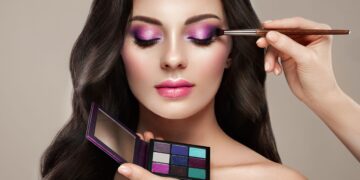


EU cosmetic standards shape a beauty culture that is, at its core, a quiet act of care, and that distinction is visible the moment you read a European label.
A framework built on science, not assumptions
EU Cosmetic Regulation (EC) No 1223/2009 is the primary legislation governing cosmetic products in the European Union, ensuring product safety, compliance, traceability, and quality. This is not a light touch. The regulation requires manufacturers, importers, and responsible persons to bear full legal responsibility for ensuring that cosmetics are safe before they reach the market. Article 3 states that a cosmetic product must be safe for human health when used under normal or reasonably foreseeable conditions.

Consequently, every product sold across all 27 member states follows the same binding rules. The regulation governs every stage of a cosmetic product’s life cycle: formulation, manufacturing, regulation, quality, labelling, and market placement. For a consumer, this means a moisturiser purchased in Lisbon meets exactly the same safety threshold as one purchased in Warsaw.
The Scientific Committee on Consumer Safety (SCCS) plays a critical role in the EU cosmetics regulatory framework. It offers detailed guidance on the safety assessment methods for cosmetic ingredients, and consistently monitors their safety risks. Scientific opinion, therefore, drives every update to the rules.
The number that changes everything
The single most striking fact about EU cosmetic standards is a number. The European Union maintains the world’s most comprehensive restrictions on cosmetic ingredients. According to EU Regulation 1223/2009, cosmetic products must not contain any prohibited substances and must comply with restrictions on regulated ingredients.
The EU prohibits over 1,700 substances in cosmetics, compared to 11 categories or substances prohibited at the US federal level. This significant difference means formulations compliant in other markets often require reformulation for EU sale. That gap is not a bureaucratic accident. It reflects a deliberate philosophy: when scientific doubt exists about an ingredient, the benefit of that doubt belongs to the consumer.

The European Commission has restricted cosmetic ingredients due to concerns related to potential endocrine disruption or genotoxicity. Therefore, the list of banned substances is never static. As of January 2026, Annex II contains over 1,700 entries and continues to grow with each Omnibus update. Recent Omnibus regulations have added numerous substances, including 30 CMR substances prohibited from December 2023 and 22 CMR substances prohibited from September 2025.
How formulation becomes an act of craft
Inside European laboratories, this regulatory pressure transforms formulation into a form of applied ethics. Chemists cannot simply reach for an effective ingredient. They must choose from a palette refined by science, safety data, and ongoing review. Recent updates to European cosmetic regulations are reshaping how ingredients can be used across a wide range of products, from fragrances to hair dyes and oral care. These changes, based on scientific evaluations, aim to reduce health risks while maintaining product performance.
In the past 2 years, the Commission has introduced several notable changes, including stricter limits on retinoids, an expanded fragrance allergen labelling list, and a new set of CMR ingredient bans under the Omnibus VII Regulation. Each of these changes signals to formulators that the standard is not fixed; it rises. These updates are not minor. They require brands to review formulations, update safety documentation, and assess potential reformulations to avoid market disruption.
The consequence for European skincare is a genuine difference in what goes on your skin. Brands that operate only in the EU develop formulas that reflect the highest available safety consensus, not the lowest permissible threshold.

An industry perspective on safety and trust
The EU cosmetics regulatory system does something that is difficult to achieve in most markets: it connects the science of ingredient safety directly to the act of buying a face cream. When a regulation bans a substance due to endocrine disruption concerns, that decision passes through an independent scientific committee, then through the European Commission, then onto product labels in 27 countries simultaneously. The system is transparent by design, and that transparency creates a form of trust that no marketing claim can replicate. For brands that operate within it, compliance is not a constraint. It is the foundation of their credibility. Consumers across Europe are becoming more fluent in reading ingredient lists, and the regulatory framework gives them a reliable language to do so.
Industry perspective, cosmetic safety and regulatory affairs professionals in the European Union
Transparency as a daily ritual
The regulation is designed to ensure that product claims are honest, labels are clear, and that consumers are well-informed about the cosmetics they use, how to use them, and potentially harmful ingredients. This commitment to transparency reshapes the beauty ritual itself. Reading a label in Europe is a structured, trustworthy act.
EU Cosmetics Regulation provides the most advanced protection against animal testing. The marketing of cosmetic products is prohibited if the finished product, the final formulation, or any ingredients in the final formulation, have undergone animal testing. For a consumer who cares about ethics alongside efficacy, this is not a small detail. It is a defining value.
For manufacturers, these updates mean reformulation may be necessary, labelling requirements are expanding, and safety data must be robust and current. For consumers, the impact is simpler: safer products, better ingredient transparency, and reduced risk of irritation or long-term effects.


EU cosmetic standards and the meaning of European beauty
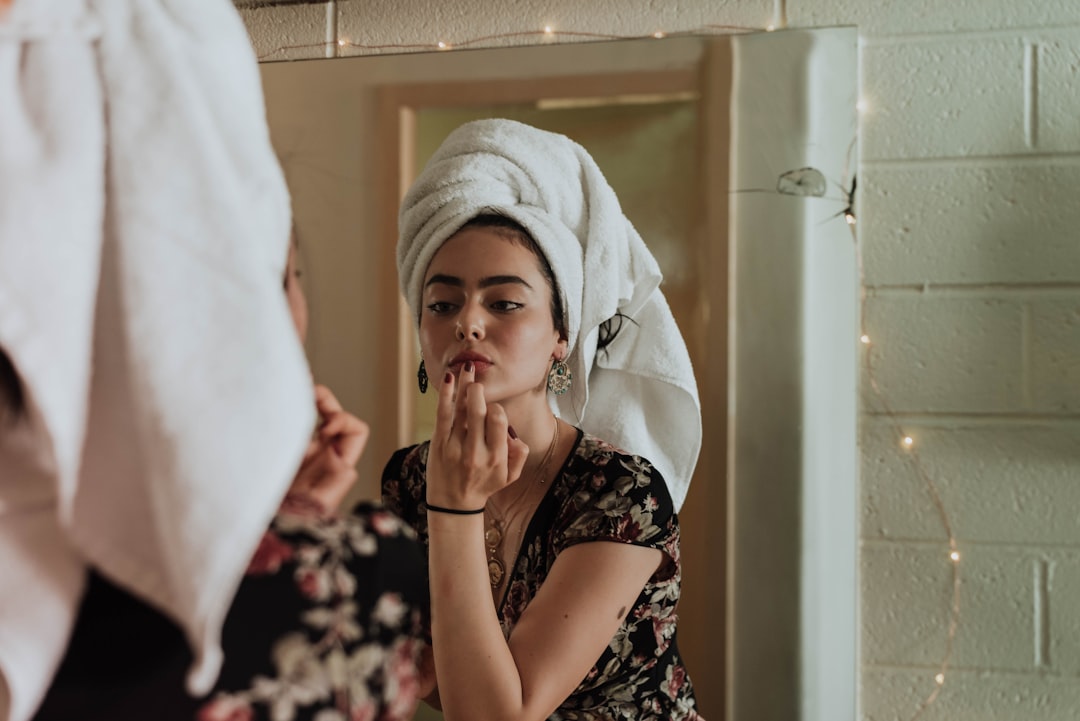
EU cosmetic standards do more than keep harmful substances off a shelf. They define a relationship between a culture and the products that touch its skin every morning. European beauty, at its finest, carries the weight of this responsibility elegantly. It does not announce itself. It simply performs, safely and honestly.
For anyone who has wondered why a European cream feels different, or why a French pharmacy brand commands quiet reverence, part of the answer lives in the regulation. The EU continues to lead globally in cosmetic safety standards, combining scientific review with precautionary regulation. To choose European skincare is, in a very real sense, to choose a system. Follow the ingredients, follow the labels, and let EU cosmetic standards guide you toward beauty that is as considered as it is beautiful.
Discover more about EU cosmetic standards
- EU Cosmetics Regulation and SCCS Scientific Opinions, European Commission
- Complete Guide to Banned Cosmetic Ingredients in the EU, Global Cosmetic Regs
- EU Cosmetic Regulation Update: 12 Ingredients Restricted, Banned or Reclassified, Certified Cosmetics (May 2026)