
Forest bathing is quietly becoming one of Europe’s most credible wellness practices, moving far beyond trend status and into the realm of clinically validated, accredited therapy programmes worth travelling for.

What forest bathing actually means in a European context
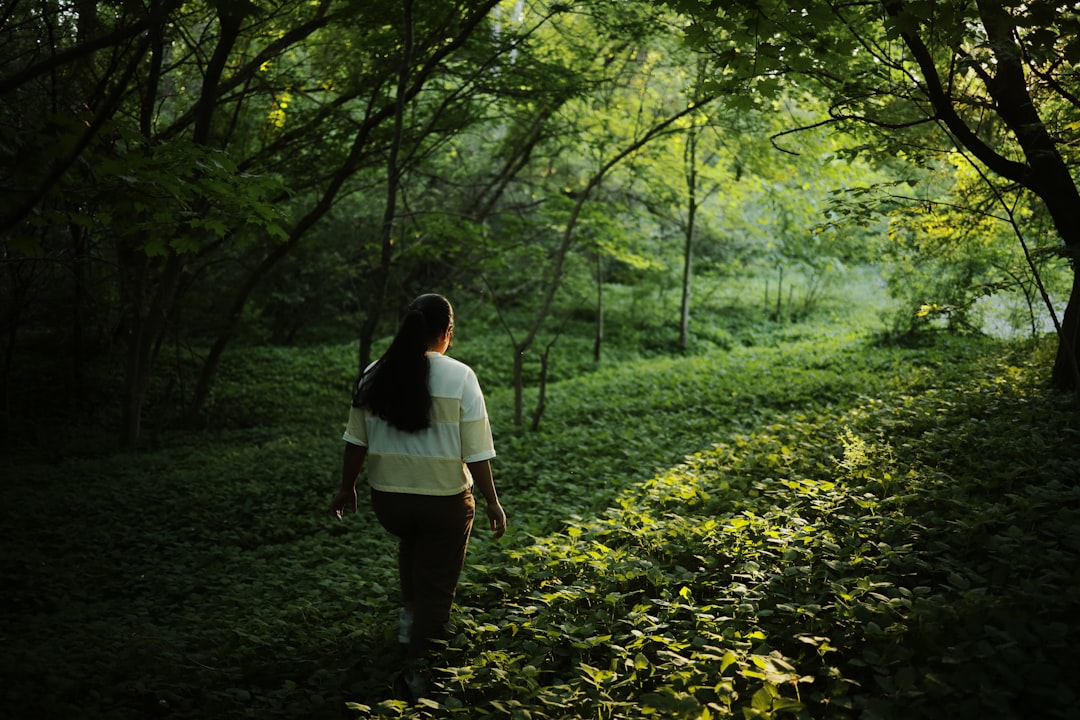
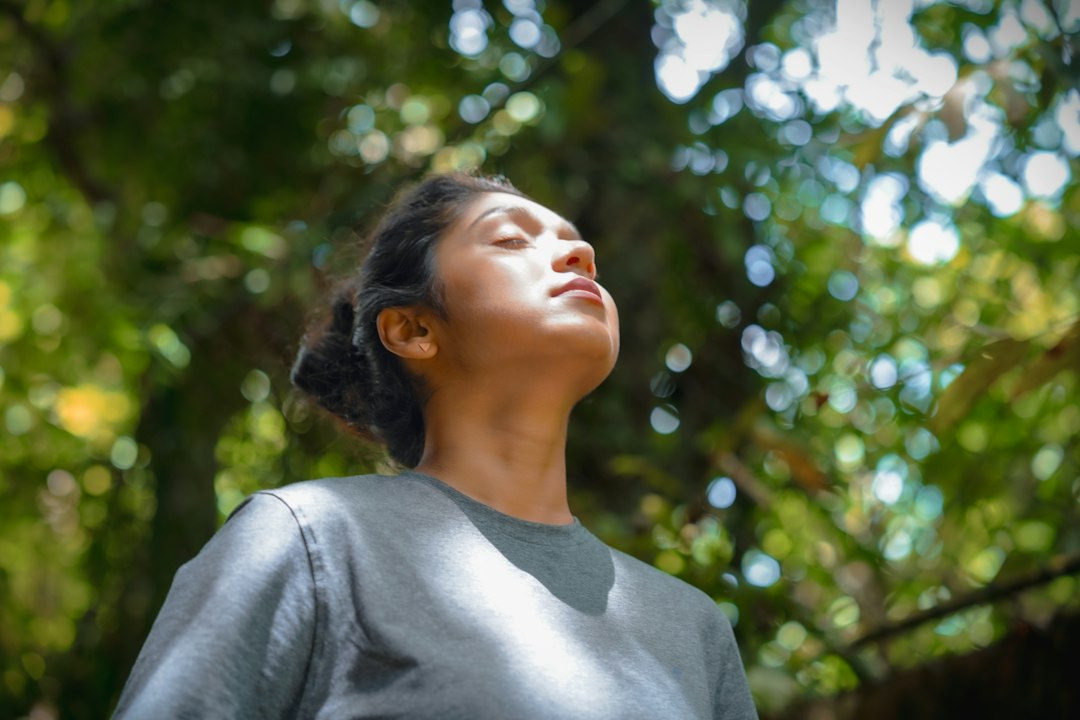
Forest bathing, known in Japanese as shinrin-yoku, is not simply a walk among trees. It involves immersing oneself in a forest environment through activities like meditation and unguided walks. Forest therapy, by contrast, adopts a more structured approach, incorporating guidance from trained practitioners from backgrounds such as psychology, meditation instruction, naturopathy, and environmental education.
In Europe, this distinction carries real weight. Forest therapy is a more clinically formalised practice led by accredited forest therapists, and it is sometimes linked to specific medical and therapeutic indications, such as cardiovascular, respiratory, psychosomatic, orthopaedic, or neurological conditions. For a discerning traveller, understanding this difference helps separate a genuine therapeutic weekend from a pleasant but unstructured woodland stroll.
The science behind the practice is compelling. Research shows that forest immersion experiences can reduce stress hormones by 12% within just 2 hours, while providing lasting wellness benefits that extend 3 to 5 days beyond the experience itself. That is a return on investment that any considered traveller can appreciate.
The EU research landscape driving forest bathing forward
Europe is not simply adopting forest bathing from elsewhere. It is actively building the scientific foundation for it. A major scoping review of clinical studies engaged 2,775 participants across various European countries, including Italy, Poland, Spain, Germany, Finland, Hungary, Sweden, Iceland, and Switzerland. Forest therapy practices in Europe demonstrated significant benefits in psychological aspects, including relaxation, mood enhancement, and improved wellbeing, accompanied by physiological improvements, particularly in asthma patients.

At the heart of EU-funded progress sits the NATURELAB project, launched under Horizon Europe, the European Commission’s flagship research and innovation programme. The EU-funded NATURELAB project explores the advantages of green and blue spaces in supporting health. Its tailored programmes involve 4,000 participants from across 5 European and Latin American countries, aiming for consistent representation of culture, gender, age, and socioeconomic background.
Nature-based therapeutic programmes are being designed, implemented, and tested on 15 experimental sites in 5 countries. NATURELAB is a 4.5-year project running from June 2023 to November 2027, aiming to increase recognition of natural spaces as sites of genuine public health value. For wellness travellers, these sites represent the frontier of what a forest bathing weekend can look and feel like.
Accreditation: what to look for before you book
The certifications and backgrounds of forest therapy guides exhibit considerable heterogeneity across Europe, with no universally recognised training standard currently in place across all countries. This makes accreditation the single most important factor when choosing a programme.
The Forest Therapy Hub (FTHub) is one of the most credible organisations in this space. FTHub plays a key role in the NATURELAB Horizon Europe project, leading Work Package 2, which focuses on the creation and validation of nature-based therapeutic programmes. Forest Therapy Hub has developed the world’s only international standards for forest bathing and forest therapy, which are currently being researched on a large scale.
For participants, the implications are clear. The FTHub research lab has contributed to projects under Horizon Europe, Erasmus+, and the Biodiversa+ Partnership since 2022, including initiatives in forest therapy research, nature-based social prescribing, and nature-based interventions. Practitioners trained within this system operate at the intersection of science and lived experience.
An industry perspective on forest bathing in Europe
Europe’s forests have always held a place in the cultural imagination, from the sacred groves of ancient times to the Romantic landscapes painted in the eighteenth and nineteenth centuries. What is new is the formal recognition of these spaces as healthcare environments. The EU’s investment in projects like NATURELAB signals a decisive shift: nature therapy is no longer alternative medicine. It is entering public health policy, hospital partnerships, and urban planning frameworks simultaneously. For wellness professionals working in Europe today, the question is not whether forest bathing has value. The question is how quickly institutions can build the infrastructure to deliver it at scale, with the rigour it deserves. Accreditation bodies, research consortia, and municipal partners are finally aligning, and the programmes emerging from that alignment are genuinely world-class.
Industry perspective, wellness and nature therapy professionals across the European Union
Destinations worth planning a weekend around
Portugal has taken a remarkable step. The Mata do Bussaco, one of only 4 certified therapeutic forests in the world, offers one of Europe’s finest dendrological collections. It divides into 4 landscape units, including the Arboretum, Gardens, Fern Valley, Relic Forest, and Pinhal do Marquês. The certification strengthens the site’s role in health tourism, adding value for both patients and forest therapists.
Germany brings a clinical rigour to the practice. A randomised controlled dose-comparison trial examined the effects of forest therapy on participant-reported outcomes among the general population in Germany, published in the Journal of Integrative and Complementary Medicine in 2025. Programmes emerging from this research tradition offer participants something rare: a forest experience grounded in controlled science.
The Basque Country in Spain offers another compelling destination. FTHub has implemented forest bathing in the Basque Country as a therapeutic practice, measuring its beneficial effects on physical health and quality of life for people with mental health conditions, covering emotional wellbeing, physical wellbeing, interpersonal relationships, and personal development. The landscape is magnificent, and the methodology is serious.
-





Forest bathing as a new form of European cultural travel
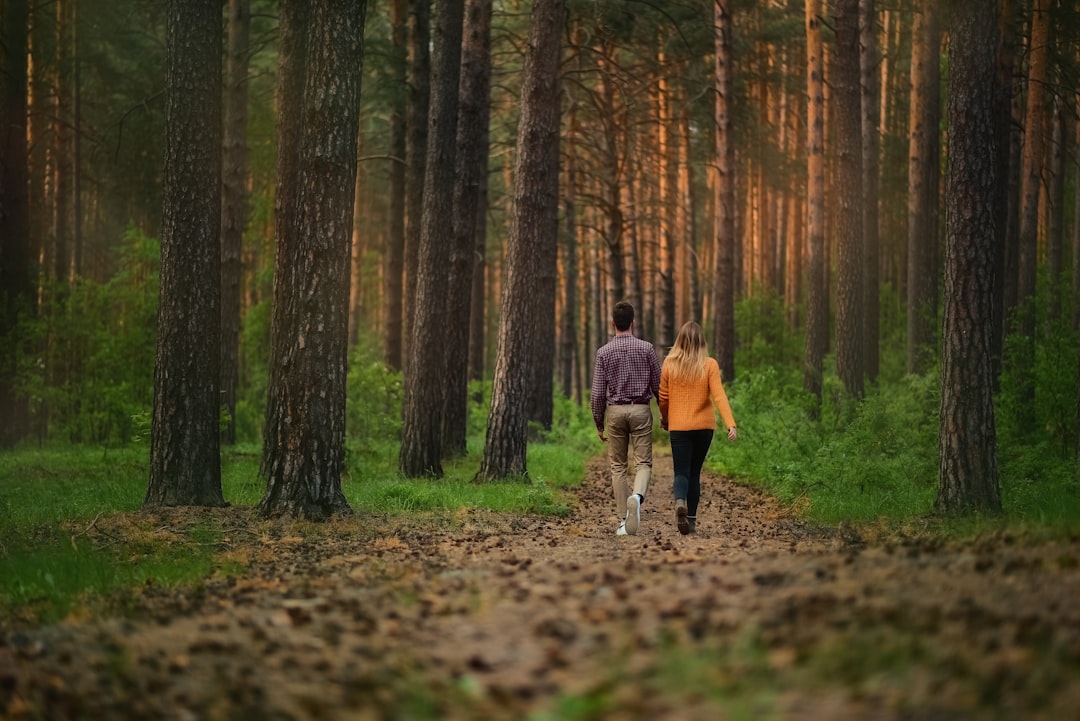
There is something deeply fitting about Europe embracing forest bathing on its own terms. The continent’s forests are not neutral backdrops. They carry centuries of meaning: German Romanticism, Scandinavian folk tradition, Iberian monasticism, Alpine healing culture. Unlike hiking or trekking, forest bathing involves a guided, slow-paced, contemplative walk through the woods, allowing individuals to absorb the sights, sounds, and smells the forest offers. Sensory engagement and contemplative reflection during sessions facilitate mindfulness, which amplifies the therapeutic effects and contributes to an overall sense of wellbeing.
This makes forest bathing one of the rare wellness practices that deepens rather than displaces a sense of place. It belongs to European landscapes in a way that feels earned and authentic.
Forest bathing belongs at the centre of your wellness calendar
Forest bathing programmes across Europe are no longer peripheral offerings for the adventurous few. They represent the most sophisticated convergence of accreditation, science, nature, and heritage the wellness world has produced in decades. Whether you choose a certified therapeutic forest in Portugal, a Horizon Europe research site in the Netherlands, or a clinically informed forest bathing retreat in the Basque Country, you invest in something that gives back far beyond the weekend. Seek out programmes with genuine accreditation, connect with guides trained to international standards, and let forest bathing become a deliberate, recurring ritual in how you live and travel within Europe.

Discover more about forest bathing
- NATURELAB Project, EU CORDIS Horizon Europe
- Forest Therapy Research in Europe: A Scoping Review of the Scientific Literature
- Healing Trees: Iberian Peninsula’s First Therapeutic Forest Is in Portugal, Euronews