

Creative Europe stands as the European Union’s most powerful instrument for nurturing the extraordinary cultural inheritance of a continent that gave the world Shakespeare, Fellini, Mozart, and Brecht.
What Creative Europe is and why it exists
Creative Europe is the EU’s cultural funding programme. It aims to support the European cultural and creative sectors as well as the audiovisual industries. Notably, it is the only EU programme that explicitly supports the cultural sector. That singularity matters. Europe’s artistic life does not sustain itself. It requires collective ambition, and Creative Europe gives that ambition a concrete financial form.

Since 2014, Creative Europe has been supporting projects to foster cultural diversity, promote artistic expression, and boost the economic potential of the creative industries. The programme recognises something that any lover of European civilisation already understands: that culture is not decoration. It is the very architecture of a shared identity, built across centuries of theatre, music, literature, and film.
The Creative Europe programme 2021 to 2027 has a budget of €2.44 billion, compared to €1.47 billion of the previous programme from 2014 to 2020. This increase reflects a growing conviction at EU level that cultural investment is as essential as any infrastructure project.
The 3 strands that shape the programme
Creative Europe is divided into 3 pillars: the MEDIA sub-programme, which supports projects in the film, series, and gaming sectors; the CULTURE sub-programme, which promotes European cooperation across all cultural and creative sectors; and the Cross-Sectoral strand, in which funding is especially available for innovative digital projects and for journalistic projects.
At least 58% of the budget goes to funding audiovisual projects and enhancing the competitiveness of the audiovisual sector. At least 33% of the budget goes to promoting Europe’s cultural and creative sector. Up to 9% of the budget is allocated to the Cross-Sectoral strand, which finances SMEs and other organisations active in the cultural and creative sectors.

All funding areas commit to 2 main objectives: first, to preserve and promote linguistic and cultural diversity and the European cultural heritage; and second, to support the competitiveness and economic potential of the cultural and creative sector, and in particular the audiovisual industries. These are not abstract goals. They translate directly into funded films at Cannes, theatre companies on tour across borders, and orchestras performing in cities that would otherwise never hear them.
How films and audiovisual works receive support
The MEDIA strand of Creative Europe supports the EU film and audiovisual industries financially in the development, distribution, and promotion of their work. It helps to launch and distribute projects with a European dimension and international potential to travel beyond national and European borders. Its funding actions provide support to audiovisual works including films, TV series, documentaries, video games, and immersive content, and to cinemas, festivals, VOD services, and industry markets.
The MEDIA strand also contributes to boosting European talent through training programmes, as well as to audience development and film education. This is not only about financing finished products. It is about building a sustainable ecosystem where a young filmmaker in Tallinn or Thessaloniki has a genuine path to a global audience. At the 79th Cannes Film Festival, EU-funded films supported by the Creative Europe MEDIA programme received major awards, including the Palme d’Or.
One funding action requires a 2-phase approach where a fund is generated based on a company’s performance on the European market, which must then be reinvested in the co-production, acquisition of distribution rights, or promotion of eligible non-national European films. Films must be works of fiction or documentary with a minimum duration of 60 minutes.
Expert perspective on the programme’s cultural value
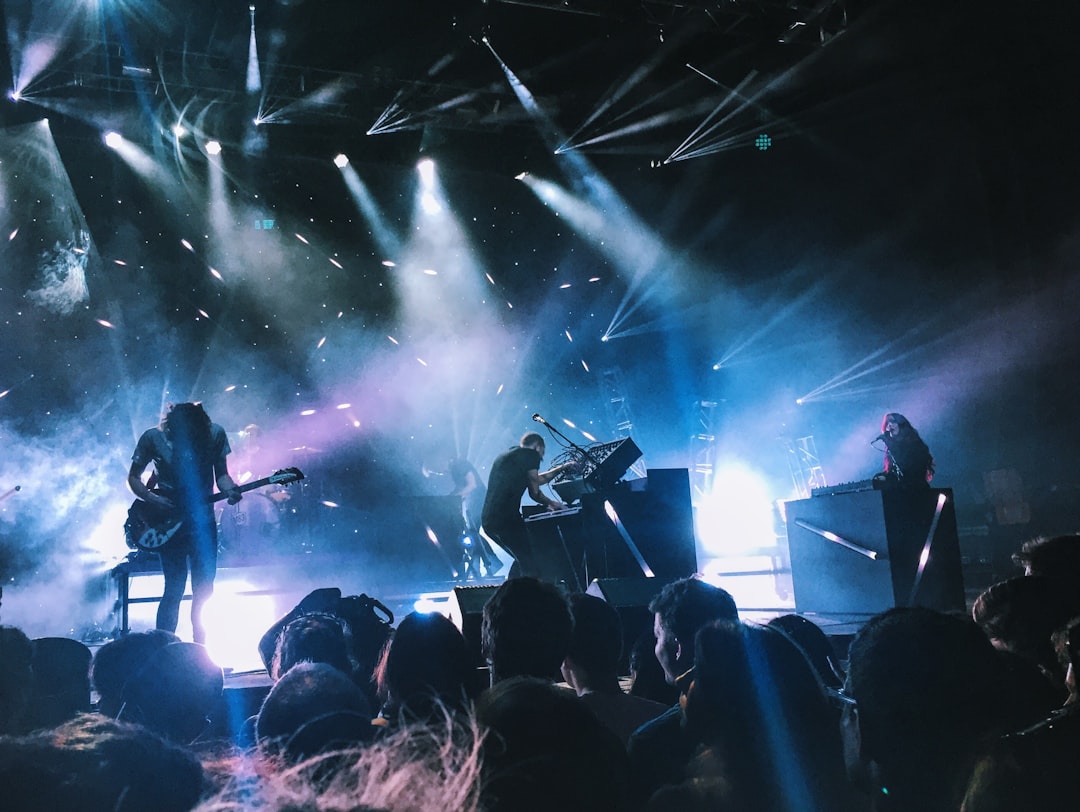
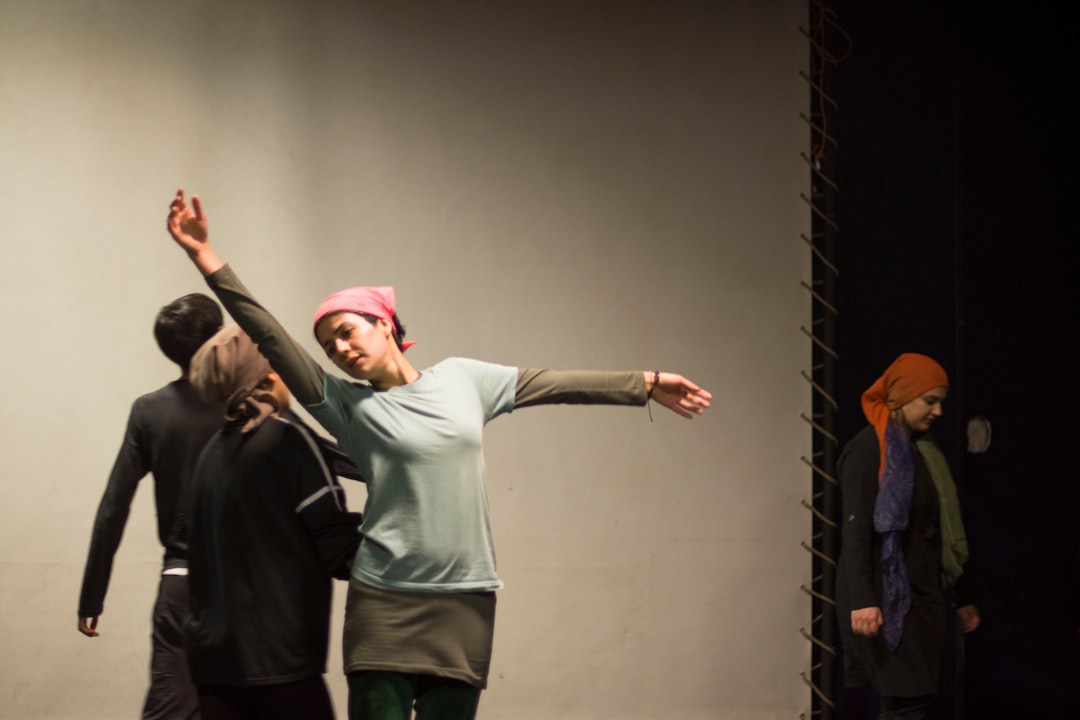
Creative Europe operates on a principle that many cultural professionals find deeply encouraging: the idea that a theatre project in Vilnius, a documentary from Lisbon, or a music initiative in Warsaw deserves a pathway to audiences beyond its own national borders. The CULTURE strand, in particular, does something that no purely commercial market will ever do on its own: it finances the risky, the experimental, and the profoundly local. Cooperation projects bring together organisations from multiple countries, creating partnerships that outlast the funding itself. The performing arts strand has enabled theatre companies working with artists with disabilities to reach entirely new audiences. This is what a civilised union of nations does with its resources: it invests in the stories that hold it together.
Industry perspective, cultural and creative sector professionals across the European Union






Music, theatre, and the CULTURE strand in action
The CULTURE strand of Creative Europe helps cultural and creative organisations to operate across borders and promotes the cross-border circulation of works of culture and the mobility of cultural players. It provides financial support to activities with a European dimension, aiming at strengthening the transnational creation and circulation of European works, developing transnational mobility, audience development, innovation, and capacity building.
Funding opportunities under CULTURE cover a diverse range of actions: horizontal actions such as cooperation projects, networks, platforms, mobility for artists and cultural professionals, and policy development. Sectoral support covers music, publishing, cultural heritage, and architecture. Special actions include EU cultural prizes, European Capitals of Culture, the European Heritage Label, and support for young high-quality artists.
One example is a Creative Europe-funded project called TREES, which raises environmental awareness through the use of theatre and promotes intercultural awareness and exchange on issues related to climate change, delivered by 8 partners in 7 EU countries. Projects like this capture exactly what the programme exists to do: connect artists, cross borders, and address the questions that matter to European citizens.
Who can apply and how the process works
The Creative Europe programme is open to cultural and creative organisations from EU Member States, as well as non-EU countries. The programme includes actions that target the needs of specific creative sectors, such as music, architecture, and cultural heritage. Subject to certain conditions, countries of the European Economic Area, candidate countries, and European Neighbourhood Policy countries can also participate.
For projects in Creative Europe, it is necessary to have European partner organisations. This requirement is not a bureaucratic inconvenience. It is a deliberate design choice that produces lasting networks across the continent. From 2021 to 2023 alone, the Culture strand supported 630 projects, channelling €294 million to over 2,000 organisations in 39 countries.
Creative Europe Desks offer free advice to applicants and facilitate participation in Creative Europe in all programme countries. These national contact points exist precisely because the application process can appear complex, and the EU wants organisations of every size to apply with confidence.
Creative Europe and the future of European culture
Creative Europe does not merely fund projects. It funds the conditions under which European culture can remain vital, diverse, and shared. By helping European cultural and audiovisual works to reach audiences in other countries, the programme contributes to safeguarding cultural and linguistic diversity. That is a mission of civilisational importance.

With a budget of €380 million for 2026 alone, Creative Europe will continue to support the cultural and creative sectors and will contribute to the protection of democracy, the green and digital transitions, and the strengthening of social and economic resilience. The programme understands that culture is inseparable from democracy, and democracy is inseparable from culture.
If you care about the survival and flourishing of European artistic life, explore the Creative Europe programme, find your national desk, and consider how your organisation or project might become part of this magnificent common endeavour. Creative Europe belongs to all of us.
Discover more about Creative Europe
- Creative Europe official programme page, European Commission
- Creative Europe in numbers: open-access project dashboard, European Commission Culture and Creativity
- The EU opened the books on €2.44 billion in cultural funding: what the data shows, Creatives Unite (April 2026)