

The European Week of Sport is back, and for EU cities and clubs, the stakes this year are higher than ever.
What the campaign actually is
The European Week of Sport was launched in 2015 to respond to the growing crisis of inactivity. Since then, it has become one of the European Commission’s most visible public policy instruments. The #BeActive campaign started in 2015, and since then has recorded 118 million participants in over 433,000 activities. That scale matters. This is not a symbolic gesture. It is a structured EU-wide mobilisation tool.
The initiative is largely decentralised, taking place across Europe. It involves close collaboration with national coordinators and many different partners. The initiative structures a wide range of activities at European, national, regional, and local levels. For city governments and club administrators, that decentralisation is the key point. You do not wait for Brussels to act. You build the programme yourself, within an EU framework that provides visibility, legitimacy, and funding access.
Why 2026 is a significant edition
The European Week of Sport returns from 23 to 30 September 2026, marking 12 years of inspiring a healthier, more active Europe. The 2026 edition also carries extra policy weight. The launch webinar officially brought together key stakeholders, campaign partners, and representatives from across Europe under the shared #BeActive platform. Organised within the framework of the European Commission’s flagship sport and physical activity initiative, the seminar focused on strengthening collaboration, increasing participation, and further expanding the reach of the campaign throughout Europe.

The 2024 edition of the European Week of Sport saw 15 million people participate in more than 50,000 activities organised by sport federations, local clubs, schools, and sport organisations, doubling the number of activities held in 2023. The 2025 edition went further. More than 15 million people participated in 80,000 activities held across 39 countries. The trajectory is consistent. Participation grows each year, and cities that engage early capture the most benefit.
What cities and clubs must do now
The European Week of Sport takes place at EU, national, regional, and local level. The week is structured around 4 focus themes: Education environment, Workplace, Outdoors, and Sport Clubs and Fitness Centres. These themes are practical planning categories, not abstract ideas. A local football club can organise a public open day. A municipality can activate a park-based fitness programme. Both count. Both receive EU visibility under the #BeActive banner.
The campaign focuses specifically on grassroots initiatives, generating new activities and also building on already existing successful initiatives in the European, national, regional, or local context. This means clubs do not need to design something new from scratch. They need to register existing activity, align it with the campaign themes, and connect it to the EU platform. The administrative barrier is low. The return, in terms of visibility and network access, is high.


Expert perspective
The European Week of Sport is one of the few EU instruments that genuinely reaches the local level without requiring a complex application process. For grassroots clubs, it opens a direct connection to European policy priorities, including social inclusion, gender equality, and active ageing. City governments that treat it as a standalone event miss the point entirely. It functions as an entry point to a broader ecosystem of EU sport funding, particularly Erasmus+ Sport, where project partnerships often begin with contacts made during the week. Organisations that engage consistently across multiple editions build the kind of network that results in successful funding applications two or three cycles later. The long-term return on a relatively small local investment is substantial.
Industry perspective, sport policy and EU funding professionals
Inclusion and the green economy link
Sport has the potential to strengthen messages of tolerance and reinforce citizenship throughout Europe. Promoting the role of sport as a means of social inclusion will help address ongoing challenges in European society. That framing connects the European Week of Sport directly to the EU’s social cohesion agenda. For cities applying for structural funds or cohesion policy support, sport participation data from the week provides measurable evidence of community engagement.
-


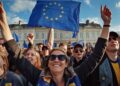


The Commission commits to closing the gender gap in physical activity and mainstreaming gender across relevant policy areas through initiatives like the European Week of Sport, #BeActive EU Sport Awards, Erasmus+ Sport, and the upcoming Strategic Vision for Sport in Europe. Green economy links are equally concrete. Outdoor activity campaigns, cycling events, and park-based sport programmes reduce urban health costs and align with EU environmental and mobility goals. Cities that document these links position themselves well for future EU investment rounds.

Erasmus+ Sport: the funding layer that cities must not miss
The Erasmus+ Sport Info Day unveiled exciting opportunities for potential applicants, highlighting key policy priorities as well as the main aspects and novelties of the 2026 Erasmus+ Sport calls for proposals. The connection between the European Week of Sport and Erasmus+ Sport funding is direct. Key areas for development include volunteering, good governance, social inclusion, accessibility, and gender equality. These are precisely the areas that well-run local sport programmes already address.
Erasmus+ offers grassroots sport staff the opportunity to work with partners across Europe. Coaches and other staff at sports clubs can acquire new skills and qualifications. Increased capacity in grassroots sport will promote physical activity and a healthy lifestyle, as well as boosting social inclusion and equality. For cities and clubs, the practical step is clear. Register for the European Week of Sport, document the outcomes, and use that evidence base when building an Erasmus+ Sport application.
Conclusion
The European Week of Sport is one of the most accessible EU instruments available to city governments and clubs right now. The annual European Week of Sport is a springboard to the mental and physical benefits of being active. The social and economic benefits of an active lifestyle last all year round. The window between now and 23 September is enough time to register, design a programme, and connect with national coordinators. Cities that treat the European Week of Sport as a genuine strategic tool, rather than a calendar entry, will find it opens doors to inclusion funding, Erasmus+ partnerships, and a stronger position in Europe’s green and active city agenda. Start now.
Discover more about European Week of Sport
- European Week of Sport, Official European Commission page
- Erasmus+ Sport 2026 funding opportunities, EACEA
- EU Sport Forum 2026: bringing Europe’s sport community together