
Europe’s best summer destinations are no longer the ones everyone already knows. While crowds gather in Barcelona, Santorini, and Dubrovnik, a growing number of travellers are choosing something different. They want real culture, affordable food, genuine local life, and the excitement of discovering a place before everyone else does. From the rose-coloured hilltops of Bulgaria to the ancient cave city of southern Italy, the continent’s emerging summer destinations are ready for you. This guide covers 5 places that deserve a spot on your travel list this season.
Why Travellers Are Seeking New Summer Destinations
Europe’s tourism map is changing fast. Secondary cities and lesser-known regions are growing in visitor numbers far more quickly than traditional hotspots. Travellers today want to explore places that feel alive, not overrun.

Furthermore, costs matter. Many established destinations have become expensive for independent travellers. Emerging regions across Eastern and Southern Europe offer excellent value, strong cultural experiences, and room to breathe.
As a result, a fresh group of European cities is finally getting the attention it deserves. These are 5 places where you can travel well, spend less, and discover something genuinely extraordinary.
Three Eastern European Summer Destinations to Discover
1. Plovdiv, Bulgaria
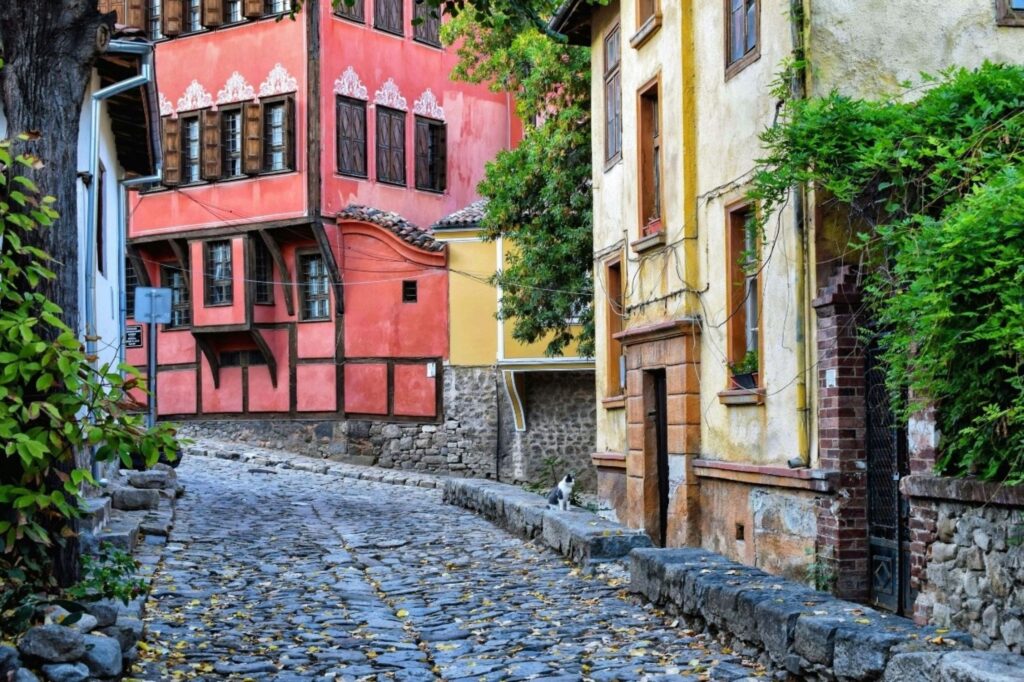
Plovdiv is one of the oldest continuously inhabited cities in Europe. Its Old Town mixes Roman ruins, 19th-century Revival architecture, and a lively arts quarter. The city is compact, walkable, and very affordable.
Additionally, Plovdiv’s summer calendar is packed with open-air concerts, arts festivals, and local food events. It is one of Eastern Europe’s most underrated hidden gems, and a strong base for exploring the surrounding Rhodope Mountains.
2. Ohrid, North Macedonia
Ohrid sits on the edge of one of Europe’s oldest and deepest lakes. Its old town is a UNESCO World Heritage site, filled with medieval churches, Byzantine frescoes, and quiet cobblestone lanes.

-
Moreover, the lake itself is a destination. Swimming, kayaking, and boat tours are all available throughout summer. Local restaurants serve grilled lake fish and regional wines at prices far lower than comparable Mediterranean destinations. Ohrid rewards travellers who take their time.
3. Novi Sad, Serbia
Novi Sad is Serbia’s second city and one of Central Europe’s most energetic cultural destinations. The EXIT music festival, held each July at the historic Petrovaradin Fortress, draws hundreds of thousands of visitors from across the continent.
Beyond the festival, Novi Sad offers excellent architecture, riverside parks, and a vibrant food and café culture. The city connects well by rail to Budapest and Belgrade, making it a smart stop on a wider regional travel route.
Two More Summer Destinations in Southern Europe
4. Matera, Italy
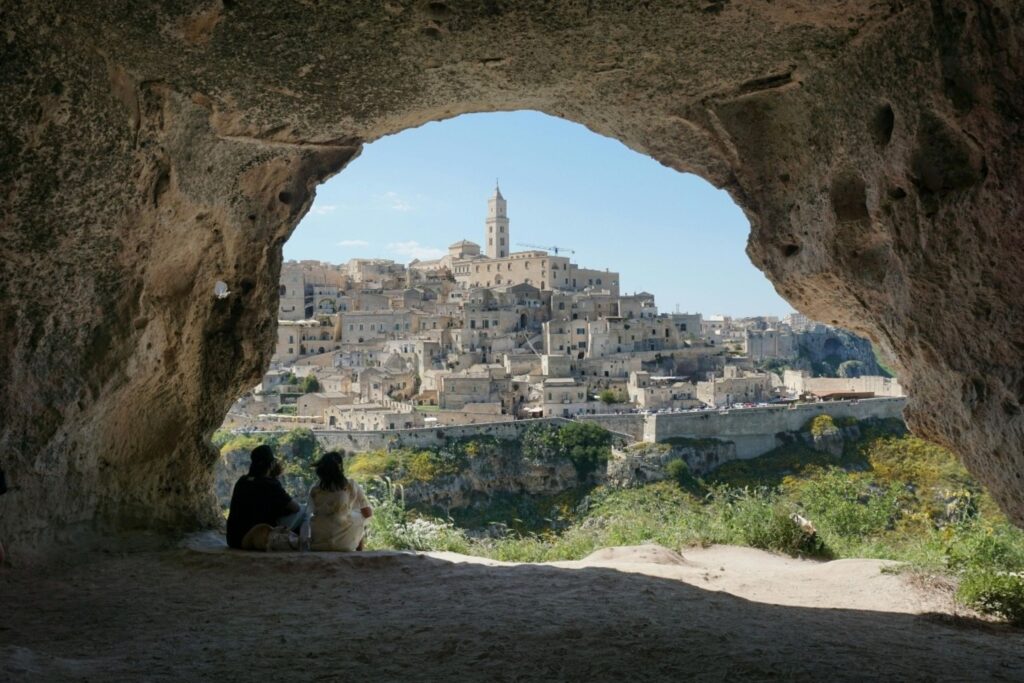
Matera is one of the most visually striking cities in the entire Mediterranean. Located in Italy’s southern Basilicata region, its ancient cave dwellings, known as sassi, are carved directly into a rocky ravine. The historic centre is a UNESCO World Heritage site.
Despite its growing reputation, Matera remains far less visited than Rome, Florence, or the Amalfi Coast. Summer evenings in the city, when the stone buildings glow in warm golden light, are genuinely extraordinary. Explore the cave churches, walk the ridge paths, and take your time.
5. Viana do Castelo, Portugal
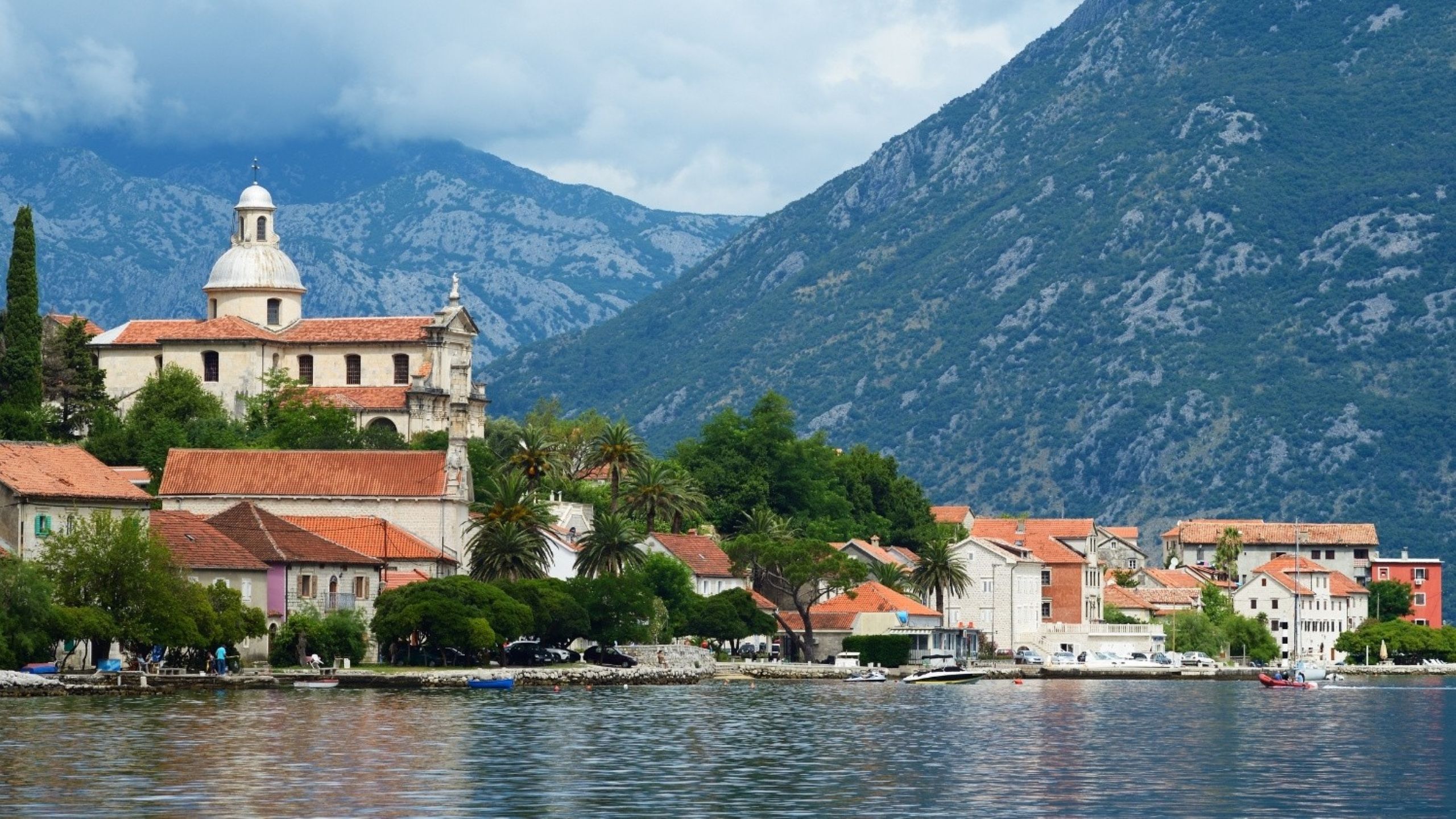
Northern Portugal is one of Europe’s most underrated regions for summer travel. Viana do Castelo sits at the mouth of the Lima River, combining Atlantic beaches, green river valleys, and a beautifully preserved historic centre.
The city is known for its traditional festivals, exceptional seafood, and a relaxed local pace. For travellers seeking an alternative to the busy Algarve coast, northern Portugal offers everything the south is famous for. The difference is the price and the smaller crowds.
What Travel Professionals Say About Emerging Hotspots
Industry perspective — travel and tourism professionals across the European Union:
“Travellers are increasingly choosing destinations that feel authentic and unscripted. The classic European hotspots still attract strong visitor numbers, but demand for quieter and more original experiences is growing steadily each year. Emerging cities in Eastern and Southern Europe are benefiting most from this change.”
“Infrastructure investment in many of these destinations is now significant. Transport connections are improving, accommodation standards are rising, and local tourism industries are becoming more professional. The conditions for sustained, long-term tourism growth are clearly in place.”

EU Ecolabel products: choose with confidence
The EU Ecolabel flower on a household product means more than a green claim. It signals independently verified environmental quality...
Aqua parks in the EU worth a detour
The European Union offers a remarkable range of aqua parks, from vast thermal complexes in Bavaria to Caribbean-themed coastal resorts...
Practical Tips for Visiting Emerging Destinations
Planning a trip to a less-established destination requires a slightly different approach. First, check budget airline routes carefully. Many Eastern and Southern European cities are now connected to major European hubs by direct, affordable flights.
Then, think about rail travel once you are in the region. Eastern Europe has a solid and affordable train network connecting cities like Novi Sad, Plovdiv, and beyond. A multi-city route by rail is one of the best ways to experience the real pace of these destinations. Trains move through landscapes that no airport transfer can offer. Interrail passes cover most of the continent and work well for flexible, multi-stop itineraries.
Next, consider travelling in June or September rather than July and August. Shoulder season offers lower prices, smaller crowds, and more comfortable temperatures. This is especially important for southern destinations like Matera and Viana do Castelo.
Finally, choose local guesthouses and family-run apartments over international hotel chains. Local accommodation offers better value, real cultural connection, and a genuine welcome. It is often the hidden highlight of the entire trip.
Outdoor Activities at These Summer Destinations
These 5 destinations are not just for sightseeing. Each one offers strong options for active travellers who want to move, explore, and experience Europe beyond the museum and the café.
In Plovdiv, the Rhodope Mountains begin just south of the city. Hiking trails, cycling routes, and river gorges are all within easy reach. In Ohrid, the lake and surrounding national park are ideal for swimming, kayaking, and trail running along the water’s edge.
Novi Sad connects directly to the Fruška Gora National Park, one of Serbia’s most scenic outdoor areas. Cycling and walking trails cross the park’s forested hills above the Danube River. In Matera, guided canyon walks through the ancient ravine below the sassi offer a genuinely unforgettable physical experience. Finally, Viana do Castelo sits between Atlantic surf beaches and the Peneda-Gerês National Park, the only national park in Portugal, which offers world-class hiking and mountain biking.
Conclusion: Start Planning Your Summer Destinations Today
The best summer destinations in Europe are not always the most famous ones. Plovdiv, Ohrid, Novi Sad, Matera, and Viana do Castelo are all ready for travellers who want something real, affordable, and genuinely exciting. This summer, step away from the crowded beaches and explore something new. Pack your bag, book your route, and discover what makes these emerging summer destinations so worth the journey. Europe is waiting. Go and explore it.