

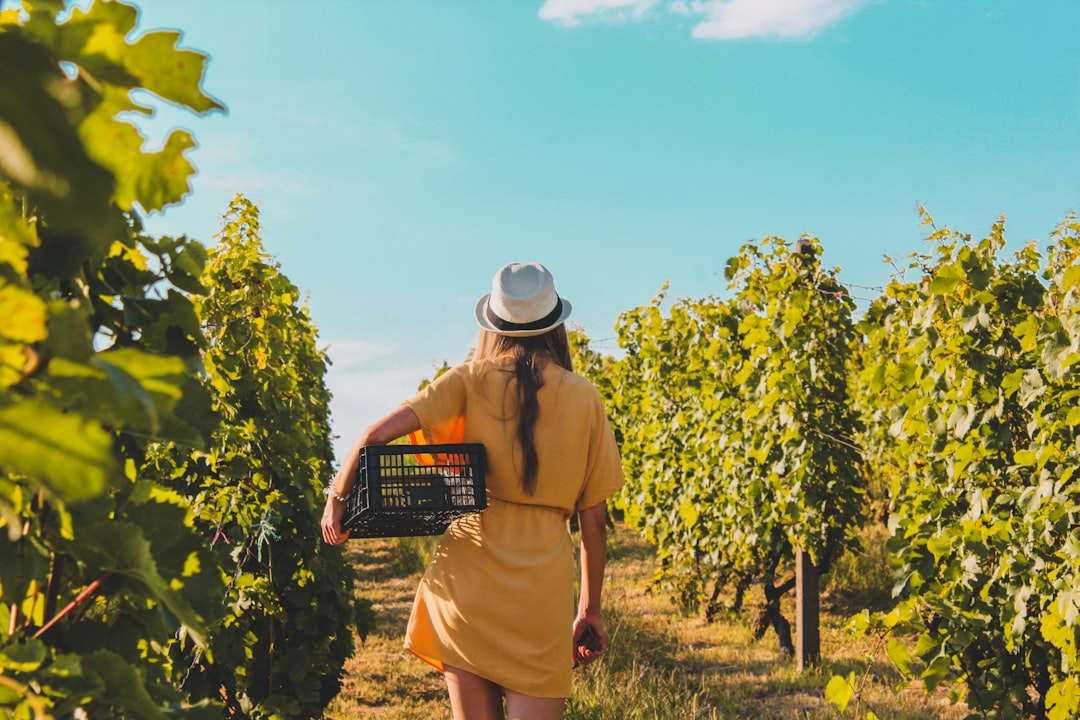
Wine towns across the European Union reveal their finest character in late August, when the vines stand full and golden, the tourist peak is fading, and the first signs of harvest life are stirring in the cellars and on the cobbled squares.
Why late August is the right moment to arrive
Harvest season begins in late August across southern Europe, when vineyards are thick with green canopy and tasting rooms extend onto terraces. This is the window before the vendange crowds arrive. Towns feel local again. Producers have time to talk. The exact timing of the harvest in Europe differs from region to region, depending on the climate, grape varieties, and a range of other variables. That variation is precisely what makes late August so rewarding: some regions are mid-harvest already, while others are still in their final, luminous days of pre-harvest calm.

More than 91% of travellers express interest or strong interest in wine-related travel activities, especially those aged 18 to 44. Yet most wait until September, when the experience becomes crowded and less intimate. Arriving in late August means you secure the atmosphere without the competition for tables, cellar appointments, and hotel rooms.
3 southern towns where the harvest begins earliest
Montilla, Córdoba, Spain. Sitting in the heart of Andalusia, Montilla produces wines from the Pedro Ximénez grape, harvested earlier than almost any other variety in the EU. The town’s whitewashed bodegas open quietly in late August, when the first grapes arrive. The central square and the Museo Garnelo offer culture alongside the cellar visits. Spain features trips to Jerez and Rioja for sherry and red wine tastings, but Montilla remains far less visited, which is its greatest quality.
Greve in Chianti, Tuscany, Italy. The harvest in Tuscany usually starts with white grapes in mid to late August and continues through to October. Greve sits at the centre of the Chianti Classico zone, surrounded by estates producing some of Italy’s most celebrated wines. The triangular main square, Piazza Matteotti, fills each morning with producers and locals. Organic and biodynamic estates near the town reflect a broader commitment to sustainable viticulture that now defines the best of Tuscan terroir.
Pézenas, Hérault, France. This small Languedoc town carries an outsized cultural identity: it was once home to Molière, and its baroque streets remain almost entirely free of mass tourism. The surrounding Hérault vineyards, classified under several appellations, begin their harvest in August. Late-afternoon cellar visits here have the quiet intensity of a private experience.

3 northern towns where the vines are still ripening
Bernkastel-Kues, Moselle, Germany. Bernkastel in Germany is particularly active during early autumn when vintners prepare for harvest. In late August, the town is still in its most photogenic state: the half-timbered houses reflect in the river, the Riesling vines above town are vivid green, and the cellar doors are open without the October crowds. The Moselle’s slate soils produce wines of extraordinary mineral precision, and late August is when the local producers are most willing to discuss the approaching vintage with visitors.
Colmar, Alsace, France. The best way to experience the wine culture of Colmar is to visit in late summer, when this picturesque city hosts its famous wine festival. By late August, the festival atmosphere has calmed and the Alsatian wine route is accessible at a more personal pace. Alsace starts Pinot Gris in warm years in August, giving early visitors a genuine encounter with the vendange. The canal district known as La Petite Venise is at its most serene when the summer crowds thin.
Tokaj, Hungary. Hungary’s Tokaj region provides opportunities to taste historic sweet wines along the Danube River. The town itself is modest in scale but immense in heritage: Tokaj wine has carried a protected designation since 1730. In late August, the Furmint vines are approaching full ripeness, winemakers are attentive and available, and the guesthouses along the main street welcome visitors with the warmth typical of a region not yet overwhelmed by tourism.
An industry perspective on visiting before the crowds
Wine tourism in Europe is growing with real momentum, and that growth is bringing new pressures on the most famous destinations. The travellers who arrive in late August, before the harvest is fully underway, tend to have a qualitatively richer experience than those who follow the crowd in September and October. They receive more time and attention from producers. They see the vineyards in their most beautiful state, just before the physical intensity of picking transforms the landscape. Sustainability is also a growing concern: spreading visitation across a longer season reduces the environmental and social load on individual villages and estates. The data confirms this: two-thirds of wineries across Europe now integrate sustainability into their long-term business strategies, and visitor timing is part of that conversation.
Industry perspective, wine tourism and sustainability professionals in European wine regions
The sustainable case for early arrival
Sustainability is moving to centre stage in wine tourism, with two-thirds of wineries rating it as important. Arriving before the peak period is one of the most practical choices a conscious traveller can make. It distributes economic benefit across a longer season and reduces pressure on small communities. Areas such as gastronomy, wine, heritage, and regenerative tourism have been cited by EU policymakers as ways to attract travellers while extending tourism beyond peak seasons.





Choosing late August also means you spend your money in family-run guesthouses and small producers who need it most, rather than in the large-scale operations that dominate the September rush.

The time to go is now
Wine towns in the European Union offer something rare in the late-August window: genuine contact with living culture, unhurried cellar hospitality, and landscapes at their most luminous. These 6 destinations, from Montilla to Tokaj, reward the traveller who arrives with intention rather than impulse. Seek out the wine towns before the harvest crowds define the experience for you. Plan your itinerary with care, book your cellar visits in advance, and let the terroir speak for itself at its own pace.
Discover more about wine towns
- Global Wine Tourism Report 2025 (UN Tourism / Geisenheim University)
- European Wine Tourism Index: TUI Musement Rankings
- Best Time to Visit European Wine Regions: Harvest Guide