
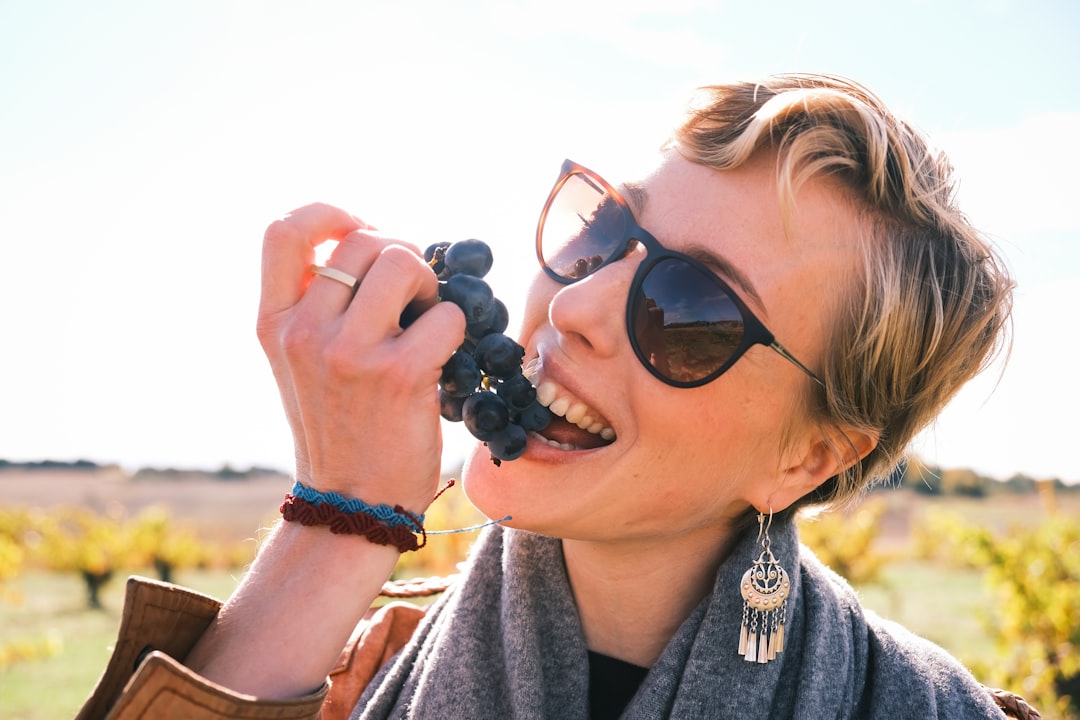
A wine harvest road trip is one of the most elegant ways to read Europe in September, moving slowly through protected landscapes where the vine has shaped identity for centuries.
Why September is the right month to travel
September sits at the exact intersection of summer warmth and autumn intention. The light turns amber, the air carries the scent of crushed grape, and the vineyards absorb every visitor into their rhythm. This is vendange season across the European Union.

September is harvest month: vendange in France, vendemmia in Italy, and the Erntedank wine festivals across Germany. Choosing this month means you travel inside the living culture of each region, not simply past it. The wines you taste exist because of the work happening around you.
September and October are the best months for combining a harvest experience with actual wine production. For southern appellations such as Rioja and Chianti, late September is the ideal window to see grapes being picked. Plan your departure for the first days of September so you arrive in Spain while the harvest is still opening.
Stop 1: Rioja, Spain (days 1 and 2)
Rioja is where the itinerary begins, and it sets a standard of elegance that the rest of the week will answer. Rioja is one of Spain’s most storied wine regions, with diverse sub-zones including Rioja Alta, Rioja Alavesa, and Rioja Baja, each showcasing indigenous grape varieties such as Tempranillo, Garnacha, and Graciano.
Rioja holds a Protected Designation of Origin (PDO), which is the highest tier of European geographical wine classification, requiring that all grapes are grown and all production steps completed within a strictly defined area. This legal protection is not bureaucratic detail. It is a guarantee that every bottle you taste in the bodega reflects a specific, irreplaceable place.

Spend day 1 visiting 2 bodegas in Logroño, the regional capital. Book a cellar tour in the morning and reserve a harvest dinner for the evening. On day 2, drive into the Rioja Alavesa hills. The medieval villages here, built in pale stone above a sea of vines, reward a slow morning walk before you continue east.
Stop 2: Chianti, Italy (days 3 and 4)
Fly or take a scenic train from Bilbao to Florence to begin your Tuscan chapter. Chianti PDO comes from the Italian region of Tuscany, where vines have always been part of its landscape. The first signs of viticulture in this region can be traced back to the 8th century, during the Etruscan period.
The delimited area for production of Chianti PDO today includes a significant part of central Tuscany, comprising the provinces of Arezzo, Florence, Prato, Pistoia, Pisa, and Siena. The vendemmia here begins in late September, and you will find estate gates open and staff in motion. This is the moment to request a working visit rather than a standard tasting.
On day 3, base yourself between Florence and Siena. On day 4, visit Greve in Chianti, one of the historic villages central to the appellation. The Sangiovese grape should compose 70 to 100% of the grapes used to produce Chianti. Ask the winemaker to explain why this single variety can produce such different wines across the same hills.
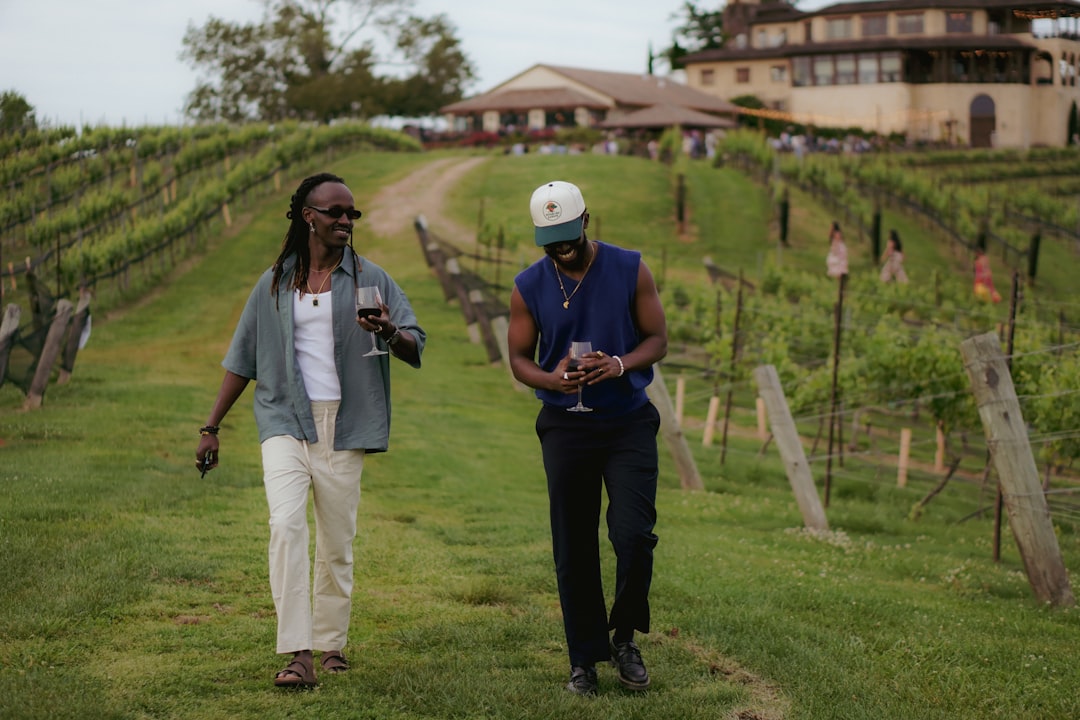
What a wine expert says about travelling through appellations
The experience of visiting a PDO wine region during harvest is fundamentally different from any other time of year. You are not a tourist in a landscape. You are a witness to a living system where the soil, the grape, the human gesture, and the law are all in conversation. When you stand in a Chianti vineyard in late September and watch the pickers move through the rows at dawn, you understand the appellation not as a label but as a responsibility. Protected designations exist because generations of producers proved that their specific terroir produced something irreplaceable. The road trip format is particularly powerful for this reason: moving between Rioja, Chianti, and Alsace in a single week forces you to feel the contrast between three distinct terroirs, three wine cultures, and three relationships between landscape and identity. That contrast is the education.
Industry perspective, wine tourism and geographical indication professionals in Europe
Stop 3: Alsace, France (days 5, 6, and 7)
Alsace completes the circuit with a different vocabulary. Here the wines are predominantly white, the villages are Germanic in architecture, and the terroir is shaped by the Vosges mountains to the west and the Rhine plain to the east. Colmar’s wine houses showcase the harvest from late July through September each year, and you can enjoy wine tours and tastings year-round.
The Alsace AOC, known at EU level as a PDO, governs wines such as Riesling, Gewurztraminer, and Pinot Gris. Europe’s wine diversity reaches from Riesling on the Moselle to Tempranillo in Rioja, and Alsace sits in that northern arc where cooler temperatures produce wines of great aromatic precision. The vendange here follows Rioja and Chianti by a few days, making the sequence of this itinerary geographically and seasonally logical.





Spend days 5 and 6 on the Route des Vins d’Alsace, a 170-kilometre road connecting over 60 villages between Marlenheim and Thann. Each village has its own character, and several domaines open their doors during harvest. On day 7, visit Colmar, the cultural heart of Alsatian wine life. Rest, reflect, and bring a bottle home as the truest possible souvenir.
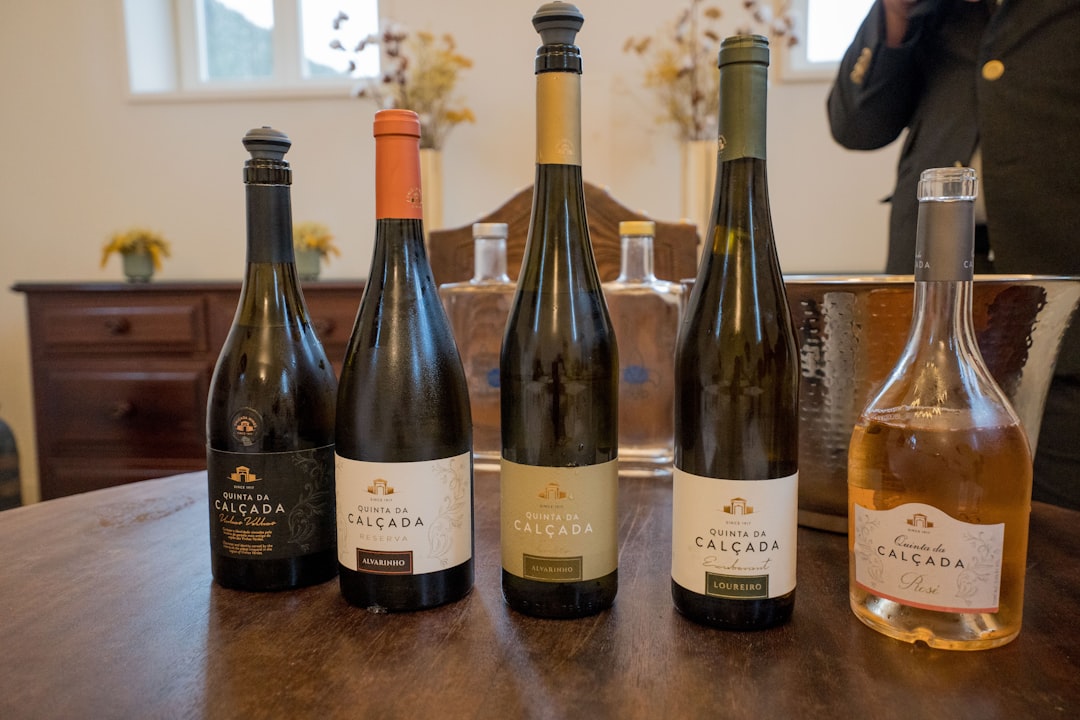
How to make this wine harvest itinerary work
Every appellation in this itinerary carries the EU’s geographical protection label. For a PDO wine, 100% of grapes must be grown exclusively within the defined area, and all production steps, from vinification to bottling, must also take place there. Understanding this before you travel makes every visit more meaningful.
Booking 2 to 3 months in advance is sufficient for most harvest festivals, with exceptions: Rioja harvest accommodation in Logroño fills very fast. Confirm cellar visits directly with each estate and ask specifically about harvest experiences, which often include a vineyard walk, a picking session, and a dinner. These are the moments that transform a wine harvest road trip from a pleasant holiday into a genuine European education. Plan with care, travel slowly, and let each appellation tell its own story.
Discover more about wine harvest
- EU Geographical Indications and Quality Schemes, European Commission
- EU PDO System for Wine, WineWiki (March 2026)
- Wine Festivals Europe Autumn, Wine Travel Guides (April 2026)