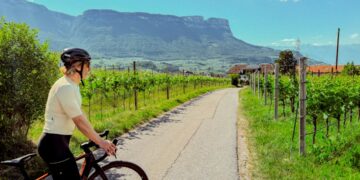


EU lakeside swimming holds a quiet kind of power: it asks you to trade the frantic coastline for still water, mountain air, and the particular elegance of a landscape that has not been overrun.
Why lakes deserve your August plans
August across the EU coastline is predictable. It is crowded, overpriced, and loud. Yet the union’s interior hides some of the continent’s most remarkable bodies of water, all monitored under the EU Bathing Water Directive. Around 85% of the 22,200 European bathing sites monitored meet the stringent “excellent” standard, while 96% of all EU sites monitored meet the minimum quality standard. Lakes benefit directly from this framework. Bathing water quality across Europe has improved significantly over the past few decades, and is now consistently high, thanks to EU policies and actions by member states.
The cultural case for lakes is equally strong. These are destinations where history sits beside the water, where local markets open at dawn, and where a post-swim aperitivo feels like a genuine ritual rather than a tourist performance. Search interest for alpine summer is up 82% year-on-year, with heatwave-weary travelers looking to swap crowded beaches for milder mountain air, scenic hiking trails, and refreshing swimming lakes. That shift reflects something real.
Lake Annecy, France: clarity as a philosophy
Lake Annecy is frequently cited as one of the cleanest lakes in Europe. Its excellent water quality is maintained by strict environmental protections that have been in place for decades. The old town of Annecy frames the lake with medieval elegance, its canals and flower-covered bridges forming a backdrop that rewards the slow traveler completely. Lake Annecy is favored for its deep turquoise waters and impressive mountain scenery, with many public beaches as well as its pretty old town.

Swimming here in August feels deliberate and calm. The water temperature reaches comfortable levels by midsummer, and the public beaches are organized without feeling institutional. Arrive early, before the day heats fully, and the lake surface holds a stillness that feels like a private gift.
Lake Bled, Slovenia: heritage above the water
Lake Bled earns its reputation not through marketing but through the improbable elegance of its setting. A medieval castle sits on a cliff above the northern shore. A small island with a baroque church occupies the center of the lake. The water is cool, with alpine lakes like Bled remaining cool even in summer, with temperatures around 15 to 22°C in July and August.
The swim to the island is a tradition among both locals and informed visitors. It requires modest effort and rewards the swimmer with a perspective on Slovenian heritage that no boat tour can replicate. The surrounding Julian Alps give the entire experience a scale that reminds you how small, and how fortunate, you are.
Lake Balaton, Hungary: warmth and wine country
Known as the “Hungarian Sea,” Lake Balaton is the largest freshwater lake in Central Europe and offers one exceptional swimming spot, with temperatures around 25°C in summer. Its shallowness means it heats faster than alpine lakes, making it the EU’s most reliably warm freshwater destination in August. The north shore draws wine lovers to Badacsony, a volcanic hill covered in vineyards that descend almost to the water.

Glass-clear water, sandy beaches, sprawling vineyards, and rolling hills make Balaton just an hour and a half from Budapest by car. The lakeside towns vary in character: Balatonfüred is refined and spa-oriented, Tihany is historical and elevated, and Siófok caters to a younger crowd. Choose your shore with intention.
Expert perspective on EU lakeside travel
The appetite for freshwater swimming destinations within the EU has grown considerably in recent years, and the data supports this clearly. Travelers are no longer satisfied with coastal proximity alone. They want water quality certification, cultural context, and an authentic sense of place. EU lakes offer all 3 in ways that many coastal resorts simply cannot. The EU Bathing Water Directive gives travelers a reliable quality signal, and the regions that have invested in protecting their lakeshores now benefit from a more discerning, high-value visitor. This is sustainable tourism working as it should: protecting the environment and rewarding quality.
Industry perspective, sustainable travel and water tourism professionals in the European Union







Lake Garda, Italy: the grand address
Lake Garda is the largest lake in Italy and one of the most culturally layered destinations in the EU. Lakeside aperitivi and fresh fish are a classic post-swim ritual around Garda and Como. The western shore, known as the Riviera Bresciana, carries a slower, more residential atmosphere. The eastern shore offers cycling paths and olive groves. The northern tip narrows dramatically into alpine scenery.
August on Garda rewards those who plan carefully. The southern shores near Sirmione attract large crowds. The northern towns of Riva del Garda and Limone sul Garda offer cleaner swimming and a different rhythm entirely. Book accommodation in advance and arrive with no agenda other than the water and the light.
Lake Bohinj, Slovenia: the quieter alternative
Lake Bohinj sits inside Triglav National Park, and that status protects it from the kind of development that diminishes other European lakes. The swimming is excellent, the water is cold and clear, and the setting is extraordinary. At Lake Bohinj, in addition to swimming and kayaking, you can hike around the lake, rent bikes, or go horseback riding in the surrounding hills.
Slovenia has embraced EU environmental standards with notable consistency. The absence of motorized boats on the lake keeps noise levels low and water clarity high. A restored lodge at the lakeside hamlet of Ribčev Laz combines comfort with local character, and the restaurant there works with locally sourced Bohinj trout. This is freshwater tourism at its most refined.
Attersee and the Austrian lake district: where quality peaks
The best quality water among lakes, rivers, and ponds was found in Austria and Finland, where around 95% of inland water was classified as excellent. Austria’s lake district in the Salzkammergut region represents the peak of this achievement. Attersee is the largest lake entirely within Austria and sits amid a landscape of exceptional pastoral beauty. The highest share of excellent quality bathing waters is found in Austria, Bulgaria, Cyprus, and Greece, with a total of 95% or higher.
The Salzkammergut lakes collectively form one of Europe’s most compelling slow-travel circuits. Wolfgangsee, Mondsee, and Traunsee each carry a distinct character. The region’s culinary tradition is deep, its architecture is preserved, and the swimming infrastructure is thoughtful. August here belongs to those who have discovered that quality of experience and quality of water are, in this corner of Europe, the same thing.
EU lakeside swimming: the case for going inland
The 7 destinations in this guide are not hidden secrets. They are, rather, places where EU lakeside swimming reveals its full value: clean water, cultural depth, and an August pace that the coastline has forgotten. The biggest wellness trend shaping European travel is immersive, nature-led experiences like wild swimming, with travelers prioritizing stress relief, mental clarity, and body recovery through simple yet powerful practices. These lakes answer that call precisely.
Choose one lake this August. Arrive with a good book, a light linen layer, and the intention to stay longer than planned. EU lakeside destinations reward exactly that kind of commitment. Explore the resources below to plan with confidence.
Discover more about EU lakeside
- European Bathing Water Quality Report 2025 (EEA)
- Where to Swim in Europe: The Ultimate Lake Guide (Iglu Cruise)
- Why “Alpine Summer” Is One of This Year’s Coolest European Travel Trends (Euronews, 2026)