
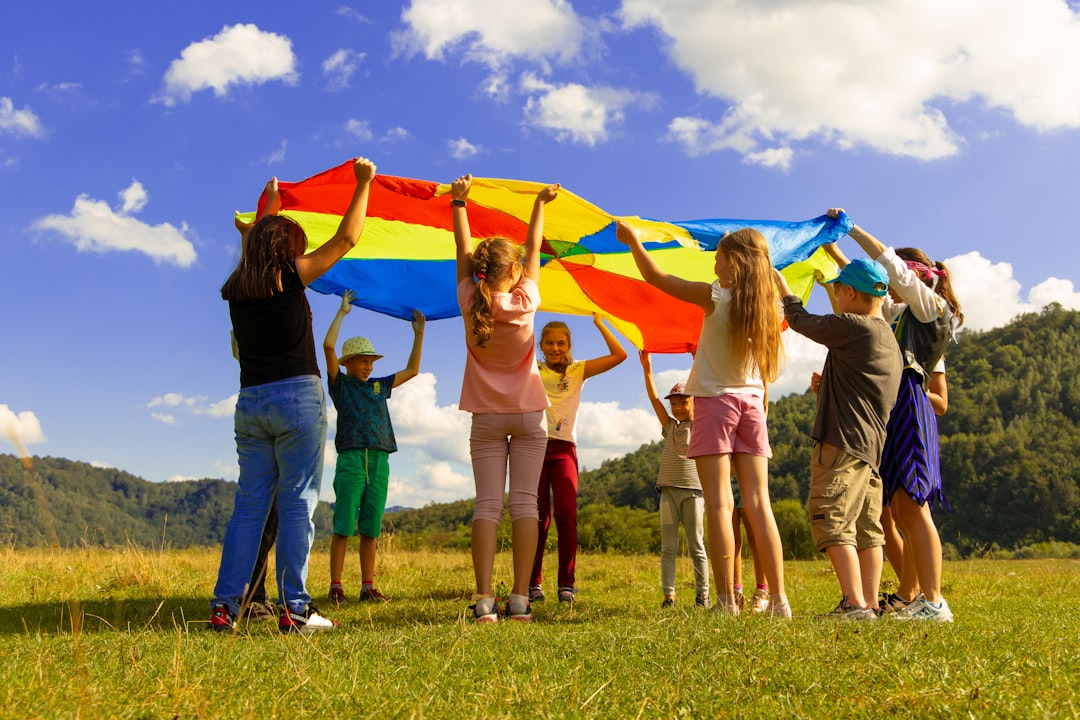
EU summer camps are redefining how the next generation of European children discovers its own continent, one country at a time.
There is something quietly extraordinary about a child who returns from summer with a new language, a new friendship, and a new understanding of where she belongs in the world. Across the European Union, a growing number of carefully designed programs do exactly this. They place children inside living, breathing European culture. They teach identity not through textbooks but through experience. For families who believe that knowing Europe deeply is as important as knowing it broadly, these 6 EU summer camps deserve a close look.

Why EU summer camps matter for children today
Europe is not simply a geography. It is a shared project, and children who grow up understanding that tend to carry it with confidence. European summer camps are popular because they balance education, independence, and enjoyment. Many programs are designed specifically for international families, with experienced staff and clear safeguarding standards. Children attending summer camps in Europe benefit from structured days, diverse activities, and exposure to different cultures.
Beyond comfort, these programs build something more lasting. Cultural immersion happens inside the camp itself. Campers often come from dozens of countries, creating daily opportunities for shared experiences and global friendships. This exposure helps children develop openness, empathy, and confidence in unfamiliar settings.
For parents with a keen sense of cultural heritage, the choice of camp is also an aesthetic one. Location, philosophy, and the quality of the educational experience all speak to who your child will become. The 6 programs below each represent a distinct facet of European identity.
3 EU summer camps focused on language and culture
1. International Language Camps, Megève, France

Set in the alpine elegance of Megève, this camp combines French language immersion with real cultural engagement. Language and learning remain central reasons families choose European camps. These programs help children practice new skills in real-life settings without academic pressure. Language immersion camps enable children to learn through everyday interactions rather than relying solely on formal classroom settings. Children live the language, not merely study it. The setting, a jewel of the French Alps, adds an irreplaceable layer of refinement.
2. EUROCAMP English Camp, Czech Republic
This program has been running since 2006 and puts European values at its center. The approach is straightforward: give young people from different countries enough time together in nature that tolerance becomes friendship and difference becomes curiosity. Children spend 1 to 2 weeks connecting language learning with something broader, a lived sense of what European identity actually feels like. It is a quietly formative experience.
3. Tarragon Nature Camp, Amsterdam, Netherlands
Tarragon Nature Camp in Amsterdam is an outdoor camp for 4 to 12-year-olds focused on a very international community. Teachers speak English, Dutch, Spanish, and French. This multilingual environment mirrors the EU itself. Children move naturally between languages and cultures, building identity through play and discovery in one of Europe’s most cosmopolitan cities.
3 more EU summer camps worth exploring
4. Little Makers Art Camp, Amsterdam, Netherlands
Little Makers is an art camp for children aged 3 to 9, offered in English and also providing support in Dutch and Spanish. This camp teaches children to express their identity through art, in a city that has long valued both craft and openness. For younger children taking their first steps into European culture, it is a beautiful entry point.
5. Prime School Junior Summer Camp, Estoril, Portugal






Prime School in Estoril runs a Junior Summer Camp for ages 3 to 12 with themed weeks covering adventure, sports, and science. Portugal sits at the western edge of the EU, and this camp reflects that spirit of exploration. Families visiting Lisbon in summer will find a program that is both structured and joyful, with themes that rotate to keep each week fresh.
6. University of Amsterdam Pre-University Summer Program, Netherlands
For older children and teens, this program goes further. The University of Amsterdam welcomes high school students to its Pre-University Summer Program each year. Students choose from disciplines including International Relations, Politics and Identity, and Sustainable Thinking. This is EU summer camps at their most intellectually ambitious. Young people do not simply learn about Europe. They begin to think like its future leaders.
An education perspective on EU summer camps
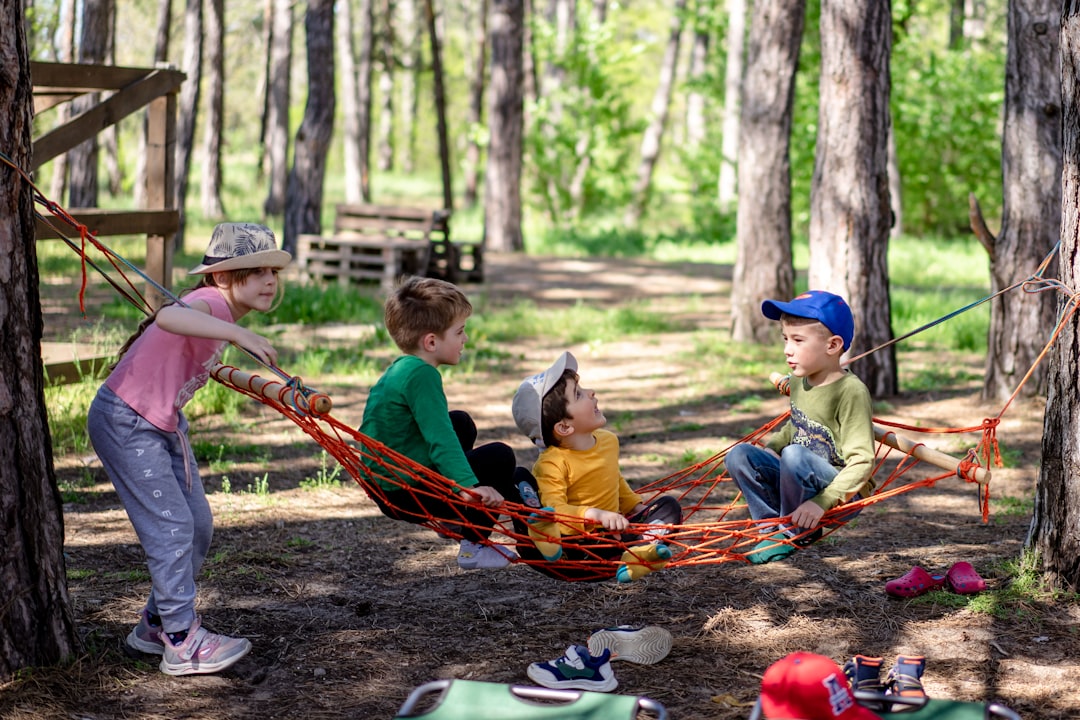
Sending a child to a European summer camp is one of the most meaningful investments a family can make in cultural education. Children who spend even 2 weeks immersed in another EU country return with something that no classroom can replicate: a felt sense of what it means to share a continent with 26 other nations. They hear different accents of the same values. They practice languages as social tools, not academic exercises. They learn that European identity is not abstract. It is the friend they made at dinner, the song they learned in another language, the map they can now read with their whole body. The EU’s educational goals have always included intercultural competence. These camps deliver on that goal in the most human way possible.
Industry perspective, education and cultural exchange professionals across the European Union
What to consider before booking
Choosing among EU summer camps requires the same thoughtfulness you bring to any important family decision.

Consider the age range carefully. Typical weekly costs range from 350 to 550 euros. Full-day programs run from 8:30 AM to 4 or 5 PM. Half-day programs are also available and are ideal for younger children. Think about whether your child needs a residential or day camp model, and whether language instruction is a priority or simply a welcome bonus.
Camps fill quickly. Aim to book between January and March before the summer you have in mind. Do your research early so you can note registration dates and be ready. The best programs in this guide do not wait.
The Right Summer Camp Changes More Than Just the Holiday
EU summer camps are among the most meaningful investments a family can make in a child’s cultural education. They build language, identity, and confidence in equal measure. Across France, the Netherlands, Portugal, and the Czech Republic, each program on this list offers a distinct encounter with what it means to be European. Choose with intention, book early, and give your child a summer that does more than pass the time.
Discover more about EU summer camps
- European Youth Portal: Learning and Training Opportunities for Young People
- Best Summer Camps in Europe for Kids, International School Parent
- Best Summer Camps in Europe, WorldCamps