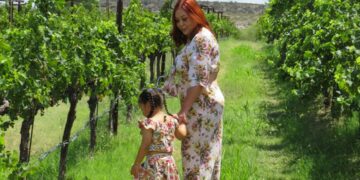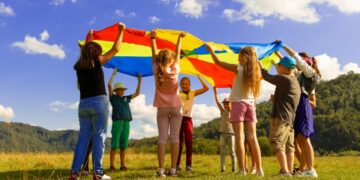

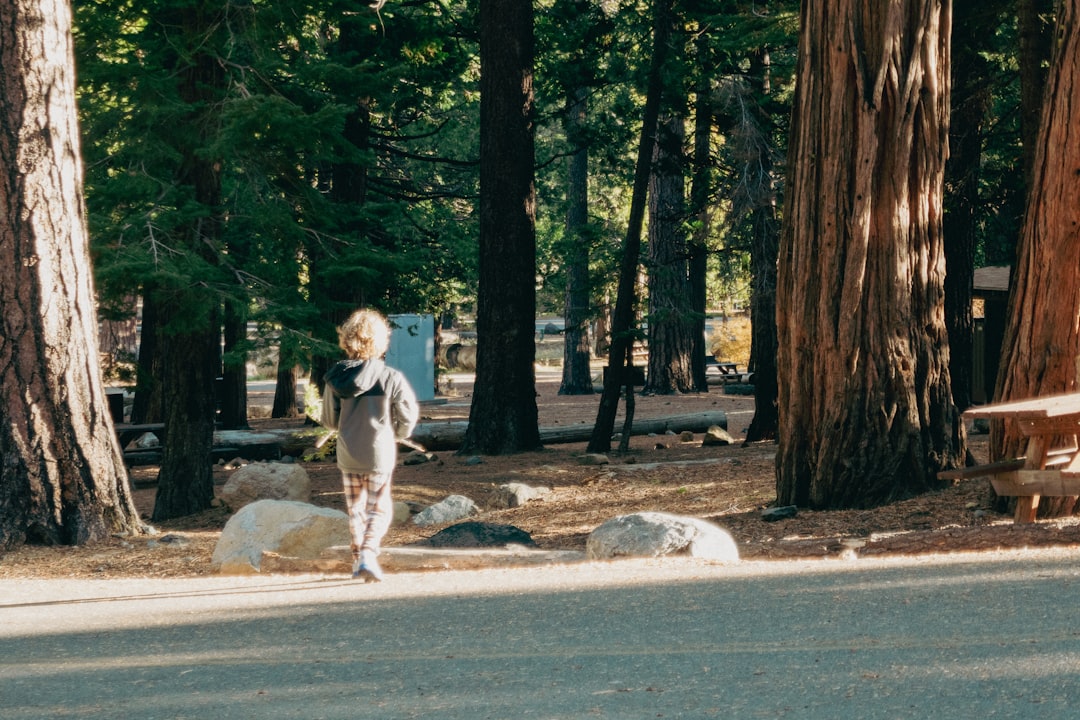
Nature camps are one of Europe’s most quietly refined gifts to childhood, and this August, 6 exceptional programmes within the European Union still have places available for school-age children.
Why outdoor discovery matters this season
Europe’s relationship with its natural landscapes is long, layered, and deeply cultural. For a child raised between screens and structured school days, stepping into a protected forest or a coastal reserve is not simply recreation. It is an encounter with the continent itself.

Outdoor education is one of the most innovative educational approaches in the European context. New generations of children and youth have few opportunities for direct and authentic experiences in nature, making outdoor education a good solution to the challenge of reconnection to the natural world. Nature camps respond to this gap with purpose and care.
Educational pathways focused on nature experiences and discovery activities show that “playing while learning” fosters the student learning experience and builds social, cognitive, and emotional capacities. These 6 programmes understand that truth completely.
6 nature camps still open for August
1. Forêt Vivante Junior Camp, Dordogne, France Set within one of the most ancient forested regions in southwest France, this residential camp welcomes children aged 7 to 14. Morning sessions focus on botany and wildlife tracking. Afternoons move into river ecology and low-impact bivouac skills. The programme runs in French and English, with bilingual educators certified in environmental science. A limited number of late-August sessions remain open for booking.
2. Natura Viva Campo, Umbria, Italy Located within a protected nature reserve in central Italy, this camp draws on the philosophy that children learn best when the landscape itself becomes the classroom. Environmental education projects involving outdoor meetings and residential programmes have proven effective in identifying stimulating training and education for children at all school levels. Natura Viva Campo integrates this approach into daily forest walks, soil observation, and guided night-sky sessions. Children aged 8 to 15 are welcome for 1-week or 2-week stays.

3. Groene Wereld Kamp, Veluwe, Netherlands The Veluwe is one of the largest nature areas in the Netherlands and one of the most biodiverse in the EU. This day-and-residential camp, open to children aged 6 to 13, structures each day around a single ecosystem: heathland one morning, woodland the next, wetland the day after. Instructors hold formal qualifications in ecology and outdoor pedagogy. Several August weeks still show availability on the programme calendar.
4. Bosque Descubrimiento, Asturias, Spain Asturias holds one of the highest concentrations of protected natural space in Spain, and this camp uses that landscape with rare intelligence. Children aged 9 to 16 spend each day in a different habitat, from mountain meadows to Atlantic coastal cliffs. The camp also integrates sustainable gastronomy: children harvest, identify, and prepare foraged ingredients each evening. August bookings are available for the final 2 weeks of the month.
5. Grüne Entdecker Camp, Black Forest, Germany Germany’s Black Forest carries a cultural weight that extends well beyond tourism. This type of programme specialises in creating customised outdoor education experiences for groups, with educational adventures varying from short stays to extensive multi-day journeys tailored to meet specific goals. Grüne Entdecker Camp offers exactly this for children aged 7 to 15, with modules in forest ecology, natural building, and traditional craft. A mid-August session currently has places remaining.
6. Zöld Kaland Tábor, Lake Balaton, Hungary Hungary’s Lake Balaton is a central European landmark, and its surrounding wetlands and reed habitats offer remarkable biodiversity. This camp, designed for children aged 8 to 14, combines water ecology, birdwatching, and sustainable land-use workshops. The programme addresses ecology, sustainable development, and health through open dialogue and workshops. It remains one of the most thoughtfully structured nature camps in Central Europe, and August places are still available for families booking now.



What to look for in a nature camp
Residential camps suit children who are ready for greater independence and longer experiences, with full supervision, shared accommodation, and pastoral care. Overnight camps help children build resilience, manage routines, and form friendships while being supported by trained staff. Both formats appear across these 6 programmes, and families should select based on their child’s age and temperament rather than convenience alone.
Outdoor camps focus on resilience, teamwork, and confidence. Activities often include hiking, mountain biking, climbing, kayaking, and environmental learning. The best nature camps sequence these activities with clear educational intent, not simply as recreation. Ask each programme for its daily structure before booking.
Safety standards matter equally. Most well-regarded camps are run by accredited organisations with strict safety protocols. Adult-to-child ratios are usually small, staff are vetted, and communication with parents is clear. All 6 camps listed here meet these standards and provide full documentation on request.
Expert perspective on nature and children
The evidence across European education systems is consistent: children who spend structured time in natural environments develop stronger observational skills, greater emotional regulation, and a more durable sense of environmental responsibility. These are not simply pleasant outcomes. They are competencies that shape how a young person navigates complexity throughout life. A well-designed nature camp is not a holiday supplement. It is a formative experience. The EU’s investment in outdoor education frameworks reflects a growing understanding that nature literacy belongs alongside language and mathematics in a child’s preparation for the world. Families who prioritise this now give their children a lasting advantage, one that no classroom alone can replicate.
Industry perspective, outdoor education and child development professionals in the European Union
Booking nature camps before August ends
Nature camps across the EU represent something more than organised activity. They represent a deliberate choice to give children time with the world as it actually is: complex, textured, and alive. The 6 programmes in this article each carry that intention with care and expertise.
Check each programme’s website directly for real-time availability, as August places move quickly. Nature camps of this quality reward early attention. Contact the teams, ask your questions, and secure a place while the month still offers the gift of long days and warm European evenings.
Discover more about nature camps
- European Youth Portal: Environment and Youth Opportunities
- European Commission School Education Platform: Outdoor Education in Nature
- International School Parent: Summer Camps in Europe That Transform Children’s Holidays
[End of article body]