
Harvest experiences across the European Union carry a quiet power: they place a child’s hands in the soil and, in doing so, answer the most fundamental question about food.
Grape harvest in Burgundy, France
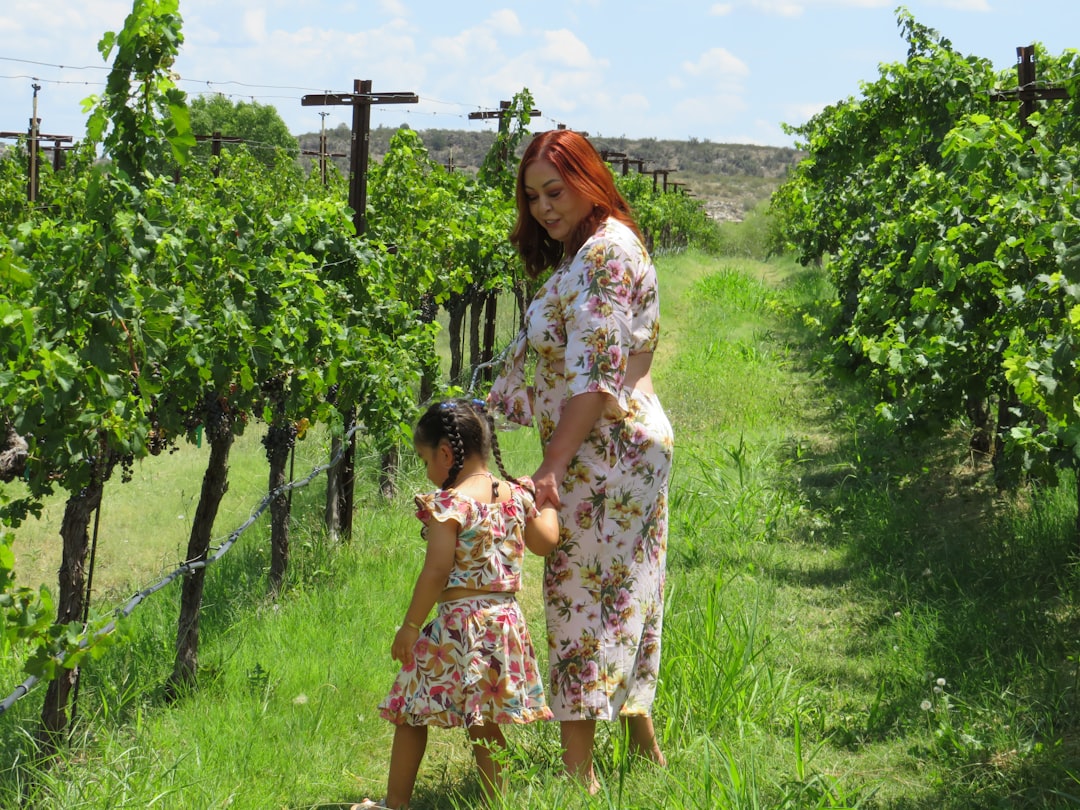
Few harvest experiences rival the grape harvest in the vineyards of Burgundy. Family-friendly domaines open their rows to visitors each September and October. Children learn to identify ripe clusters, use small harvesting tools, and understand how one single grape becomes part of a centuries-old story.

The sensory depth of this experience is remarkable. The scent of ripe fruit, the weight of a full basket, and the voices of experienced vignerons create a setting that no classroom can replicate. Many estates also offer a simple lunch from seasonal produce, so children taste the land in more than 1 way.
This is also a lesson in patience and cycles. A vine takes years to produce fruit of quality, and children absorb this truth instinctively when they stand among old-growth plants and listen to a producer explain the craft.
Olive harvest in Andalusia, Spain
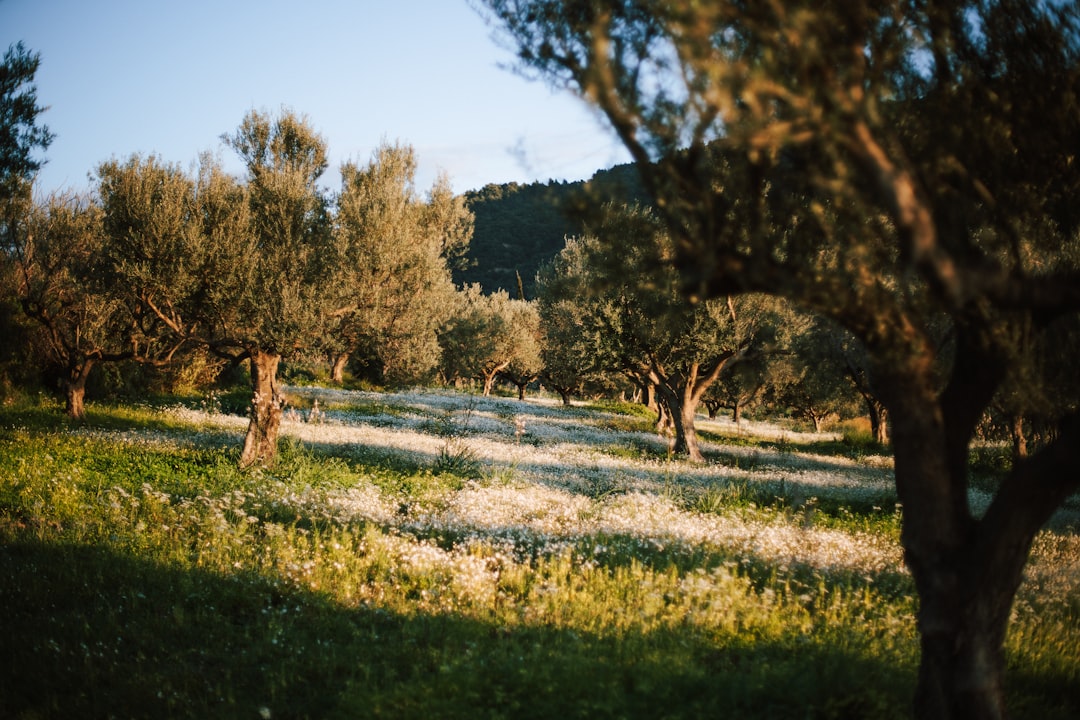
Andalusia holds one of Europe’s oldest agricultural traditions, and the olive harvest, which runs from October through December, welcomes families with warmth and intention. Across the province of Jaén and the hills near Seville, producers invite children to join the harvest by hand or with small rakes, a method that preserves both the fruit and the soil.
Agritourism in this region allows visitors to participate in activities like harvesting crops, tasting local specialties, and cooking traditional dishes. It connects families directly to local food culture and gives children a deeper understanding of the bond between food, culture, and the environment.

Many farms also offer a guided tour of the mill, where children watch olives become oil in real time. This is a powerful, concrete moment: the child who picks an olive and then tastes the oil from it understands the food chain in a way that is both intellectual and entirely personal.
Pumpkin festival in Ludwigsburg, Germany
One of the world’s largest pumpkin festivals takes place from late August to early November in Ludwigsburg, in southwestern Germany, on the grounds of the city’s baroque residential palace. The festival displays some 450,000 pumpkins of 600 varieties in an outdoor trail, complete with themed sculptures and larger-than-life squashes.
For families, the educational value is exceptional. Children move through a landscape of agricultural variety, confronting a reality that supermarkets erase entirely: that food comes in hundreds of shapes, colors, and sizes. Guided tours explain the growing process from seed to harvest, connecting beauty to biology in an accessible way.
Furthermore, workshops allow children to carve, paint, and cook with seasonal produce. These hands-on activities build a concrete relationship with food that stays with a child long after the visit ends.
Expert perspective on harvest experiences and children’s food education
The connection between children and food must be built early, and the harvest season is the most natural classroom Europe offers. When a child picks a fruit, weighs it, smells it, and then eats it within the same hour, that child develops a sensory memory that shapes food choices for life. Across EU member states, agritourism and seasonal farm visits are now recognized not only as leisure but as a form of cultural education. Families who invest in these harvest experiences are giving their children a living archive of European agricultural identity. That archive is both fragile and irreplaceable.
Industry perspective, agritourism and food education professionals in Europe
Chestnut harvest at the Marunada festival, Croatia
The Marunada festival in Lovran, Croatia, marks the start of the chestnut harvest. Over the course of a weekend in October, visitors enjoy folk music and dances while sampling chestnut-flavoured ice cream, cake, and other seasonal specialties.






Children take part in their own activities, which keeps the festival inclusive for younger generations. Agricultural exhibitions increase the appeal further: farmers bring livestock, tools, and freshly harvested produce to display, while artisans sell pottery, woven textiles, and woodwork. Visitors can often try foods directly from the producers or watch demonstrations of traditional skills such as bread-making.
For a child, this festival is a full sensory and cultural encounter. The chestnut, modest and ancient, becomes a symbol of autumn’s generosity and the farmer’s skill.
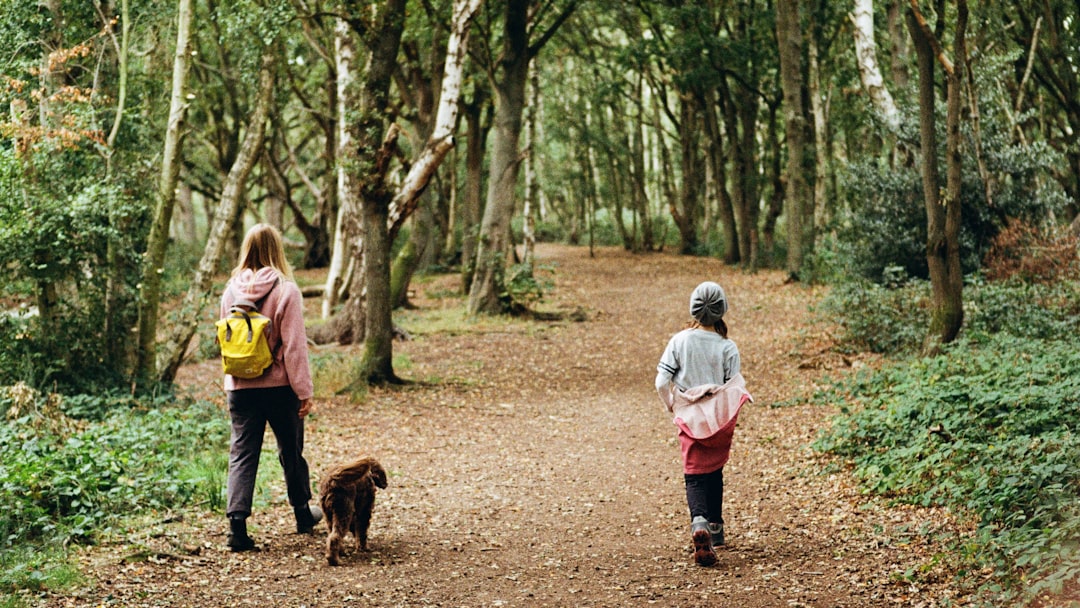
Olive oil and truffle tours in Tuscany and Piedmont, Italy
Italy offers some of the most refined harvest experiences available to families in the EU. In Tuscany, agritourism estates organize olive oil harvest tours where children participate in picking, milling, and tasting. In regions like Tuscany, locals gather to share roasted chestnuts and fresh olives, symbolizing autumn’s bounty. These traditional foods strengthen community bonds and connect every bite to centuries-old agricultural practices.
In Piedmont, the truffle season brings a different kind of magic. The truffle festivals in Piedmont combine forest walks with expert-led truffle hunting, allowing families and food lovers to witness these underground treasures firsthand. Children are fascinated by the role of the trained dog, the silence of the forest, and the extraordinary value placed on something found beneath the earth.
Agritourism helps support rural economies by allowing farmers and agricultural workers to diversify their businesses, offering guests activities spanning olive harvesting, cheesemaking, and beekeeping. This is a story children carry home with them: that the people who grow food deserve both respect and support.
The lasting value of harvest experiences
Harvest experiences across the EU are among the most meaningful gifts a family can choose for the autumn season. They replace passive consumption with active participation. Each of these 5 harvest experiences places a child inside the origin story of food: in a vineyard, an olive grove, a pumpkin field, a chestnut forest, or a truffle wood. Agriculture remains a cornerstone of Europe’s economy and rural communities, and ensuring the active involvement of young people helps secure long-term sustainability and vibrant rural regions. Reserve your family’s harvest experience this season, and give your child the most elegant education the European landscape offers.

Discover more about harvest experiences
- EU Generational Renewal in Agriculture, European Commission
- European Market Potential for Agritourism, CBI Market Research
- The Decline of Young Farmers: A Risk for Food Security in Europe, Euronews
[End of article body]