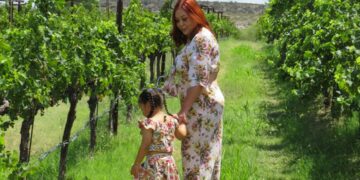

Harvest workshops across the EU offer children something September rarely gives: the quiet dignity of learning with their hands, inside landscapes that have fed families for centuries.
Why harvest workshops matter for children today
September is not simply the start of a school calendar. Across EU member states, it marks the moment when fields yield their final abundance and rural communities gather to process, preserve, and celebrate. For children, this season offers a living classroom that no textbook can replicate. Harvest workshops place young people inside that process, alongside skilled artisans and farmers who carry knowledge that is genuinely irreplaceable.

Rural and remote regions across Europe are rich in tangible and intangible heritage: ancient crafts, traditional foodways, local festivals, music, and storytelling that embody centuries of cultural identity. Harvest workshops are among the most elegant ways to transmit that identity to children. They learn not only technique but also the values of patience, care, and connection to place.
The European crafts sector combines tradition, heritage, culture, skill, and design, and craft encompasses a wide range of disciplines that reflect the diversity of European cultural identity. When children participate in seasonal workshops, they become part of that living continuum.
Bread and grain crafts in Alsace, France
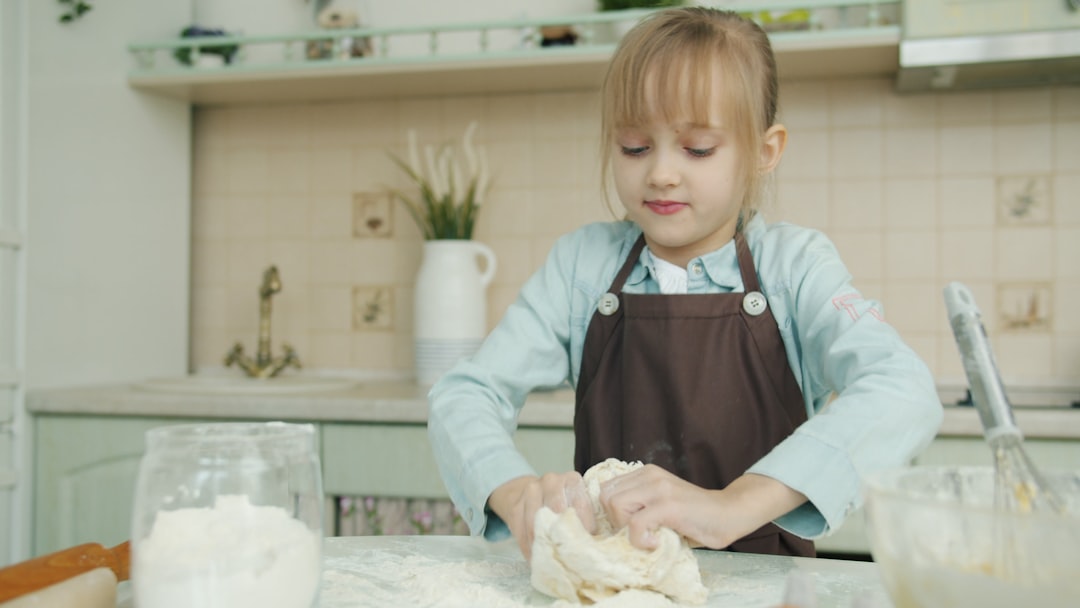
In the villages of Alsace, September coincides with the final grain harvest. Several rural farms and heritage centres welcome children into bread-making workshops that follow the full process: from separating grain to shaping dough and sliding loaves into wood-fired ovens. Children learn to read the texture of dough with their fingers, a skill bakers in this region have passed down for generations.
With a strong focus on rural dynamism and youth, the French programme of craft heritage ensures these precious heritage skills continue to circulate from hand to hand to inspire the next generation of makers. Alsace is one of the most active regions in this effort. Workshops here typically run on Saturday mornings throughout September and welcome children from age 6.

The format is unhurried and sensory. Children leave with a small loaf, a printed recipe, and a connection to French rural food culture that parents describe as transformative. Many families return each year, treating the workshop as a seasonal ritual of their own.
Cheese-making and dairy heritage in Tuscany, Italy
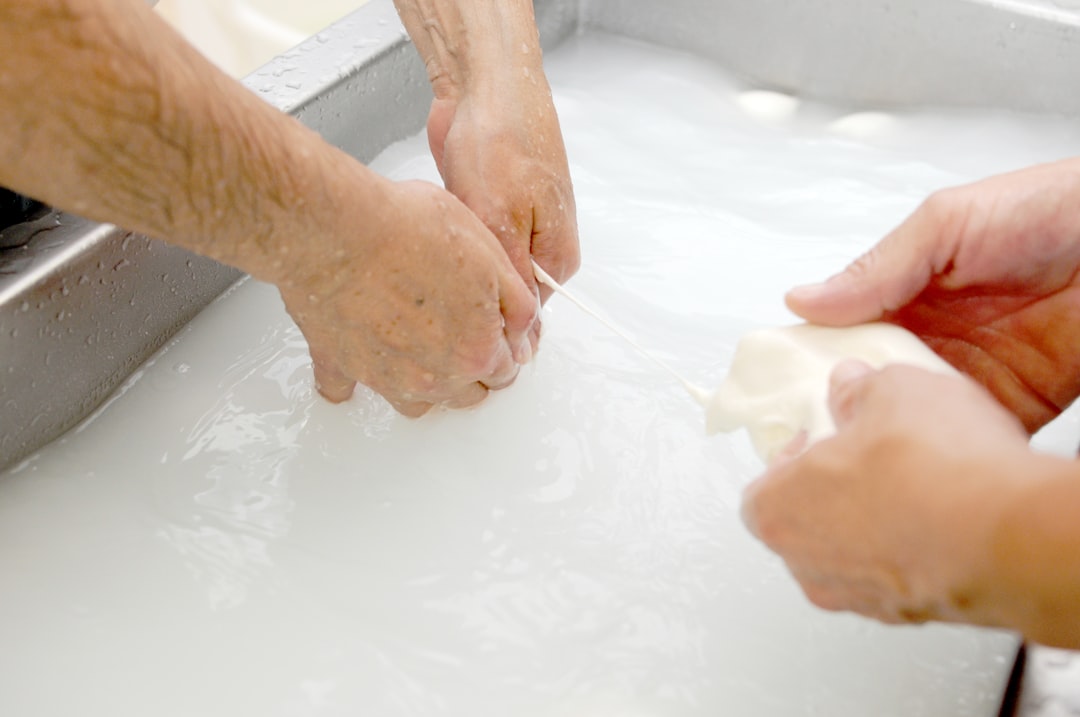
In the hills of rural Tuscany, September marks the end of the summer pasture season. Artisan cheesemakers open their workshops to families, and children participate in the full process of making a fresh soft cheese. They learn to warm milk, introduce cultures, and press curds into simple moulds.
Visitors increasingly seek authenticity, contact with traditions, and opportunities for creative expression; culinary heritage plays a leading role, with cheese and gastronomy events functioning not just as attractions but as symbols of belonging and creativity. Tuscan cheese workshops for children operate precisely on this principle. The experience is tactile, warm, and deeply connected to the landscape outside the window.
Children finish each session with a tasting that includes local honey and seasonal fruit. Instructors explain, in simple terms, how the landscape, the breed of animal, and the season all shape the flavour of what is made. This is food culture at its most honest.
Lace and textile crafts in Bruges, Belgium
Bruges is among the most important cities in Europe for the heritage of handmade lace. September brings a quieter mood to the city, and several craft ateliers offer structured workshops for children aged 8 and above. Young participants learn to handle bobbins, follow a simple pattern, and produce a small piece of their own lace within a single session.
Belgium is home to a rich and varied craft landscape, and craftsmanship has shaped the identity of Belgian cities for centuries, from the power of medieval artisan guilds to the rich traditions of Flemish lace-making. These workshops connect children directly to that history through the movement of their own hands.





Instructors are patient and precise. The atmosphere inside a lace atelier is calm and focused, which many parents find surprisingly appealing for children who are accustomed to faster stimulation. The craft teaches concentration, fine motor skill, and aesthetic attention in equal measure.
Expert perspective on craft transmission and childhood learning
There is a generational urgency to workshops that teach traditional crafts to children. When a child presses curds, weaves a thread, or shapes a loaf of bread, they are not simply learning a skill. They are absorbing a cultural grammar that belongs to their continent. The EU has long understood that intangible heritage requires active carriers, not passive admirers. September harvest workshops are among the most effective tools we have, because they combine embodied learning with seasonal meaning. Children who attend these experiences once tend to return. They ask questions that connect the rural and the modern, the seasonal and the permanent. That curiosity is exactly what heritage needs to survive into the next generation of makers.
Industry perspective, cultural heritage and rural education specialists across the European Union
Pottery and clay craft workshops in rural Extremadura, Spain
The high plains of Extremadura in western Spain have produced distinctive earthenware pottery for centuries. September workshops at several rural craft centres invite children to work directly with local clay, shaping small vessels using hand-building techniques that predate the potter’s wheel in this region. Each piece is fired and can be collected after the session.
Traditional craftsmanship in rural areas across Europe inherently embraces circularity, producing durable, repairable, and recyclable products made locally from renewable, locally sourced materials with minimal waste. Extremadura’s pottery workshops make this principle visible to children in a direct and joyful way. They see the clay, they shape it, and they understand that a functional object can begin as soil beneath their feet.
The workshops also include a brief introduction to the harvest season itself. Children learn which vegetables and grains grow in the region and how traditional pottery vessels were used to store, ferment, and transport food. Culture and craft become inseparable.
Basket-weaving and natural fibre crafts in rural Poland
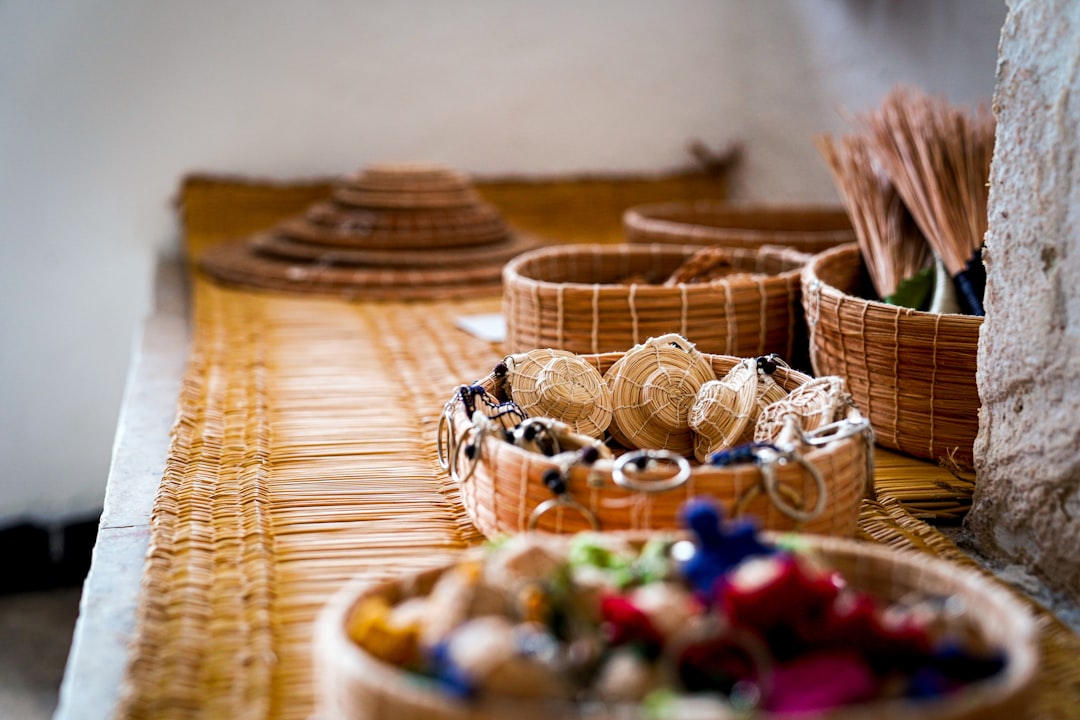
In the rural districts of Pomerania and Mazovia, September is the season for willow and rye straw, 2 of the most important materials in Polish folk craft. Basket-weaving workshops for children take place in village heritage centres and on farms throughout the month. Instructors use techniques that have not changed significantly in centuries.

The transmission of traditional crafts knowledge enhances the societal and economic valuation of crafts and aligns them with a future-oriented heritage approach in Europe. Polish basket-weaving workshops demonstrate this clearly. Children as young as 7 learn to soak, bend, and weave willow stems into small baskets that they take home. The process is slow, repetitive, and deeply satisfying.
By raising awareness of traditional crafts and embedding them in sustainable slow tourism, these initiatives contribute to cultural preservation, economic resilience, and social cohesion. For families visiting rural Poland in September, a basket-weaving workshop offers an experience that is both grounding and genuinely memorable.
Herb preservation and natural dye workshops in the Netherlands
The polders and herb gardens of rural Zeeland and Gelderland host a distinctive type of September harvest workshop that focuses on botanical knowledge. Children learn to identify medicinal and culinary herbs, tie them into bundles for drying, and use plant-based pigments to dye simple fabric squares. The connection between the garden, the kitchen, and the textile is made tangible through the workshop structure.
By reimagining heritage not as a static monument but as a living process, cultural and creative tourism can help small communities preserve their identity while opening up to innovation, inclusion, and sustainability. Dutch herb workshops for children do exactly that. They are designed not as museum experiences but as living encounters with seasonal knowledge.
Each child leaves with a small bundle of dried herbs and a piece of naturally dyed fabric. Instructors connect the plants to traditional Dutch cooking and to the long history of botanical knowledge in the Low Countries. For many children, this is their first encounter with the idea that colour and flavour can both come from the same garden.
Harvest workshops: the most refined gift of September
Harvest workshops across the EU represent something that money alone cannot purchase: a direct encounter with the living heritage of a continent. September is short, and these workshops fill it with meaning. Families who seek experiences that are both culturally resonant and genuinely educational will find that harvest workshops deliver on both dimensions without compromise.
Plan early, as places at the best harvest workshops fill quickly in late August. Choose a workshop that matches your child’s age and curiosity, and consider pairing it with a stay at a rural guesthouse to extend the seasonal experience. The harvest season asks only one thing of those who join it: presence. Give your children that gift, and September becomes a month they will carry with them for life.
Discover more about harvest workshops
- European Crafts Alliance: European Craft Days 2026
- CROCUS Europe: Cultural and Creative Tourism in Rural Areas
- European Commission: Cultural Heritage in Regional Policy