
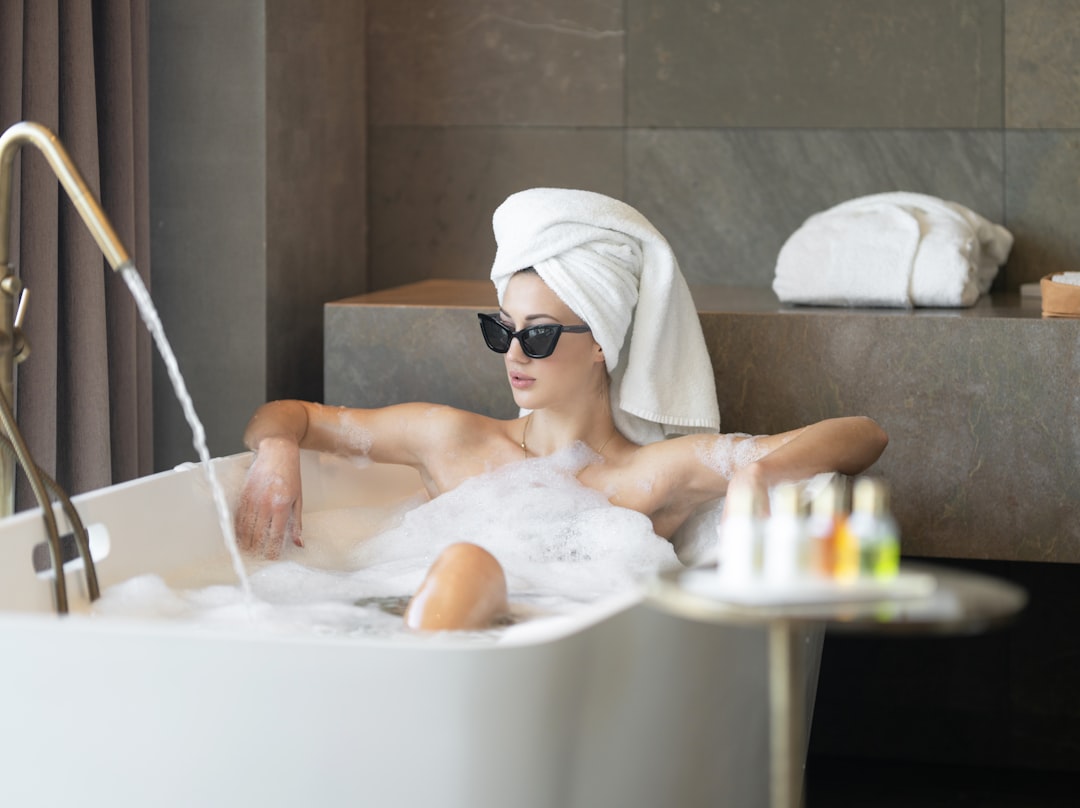
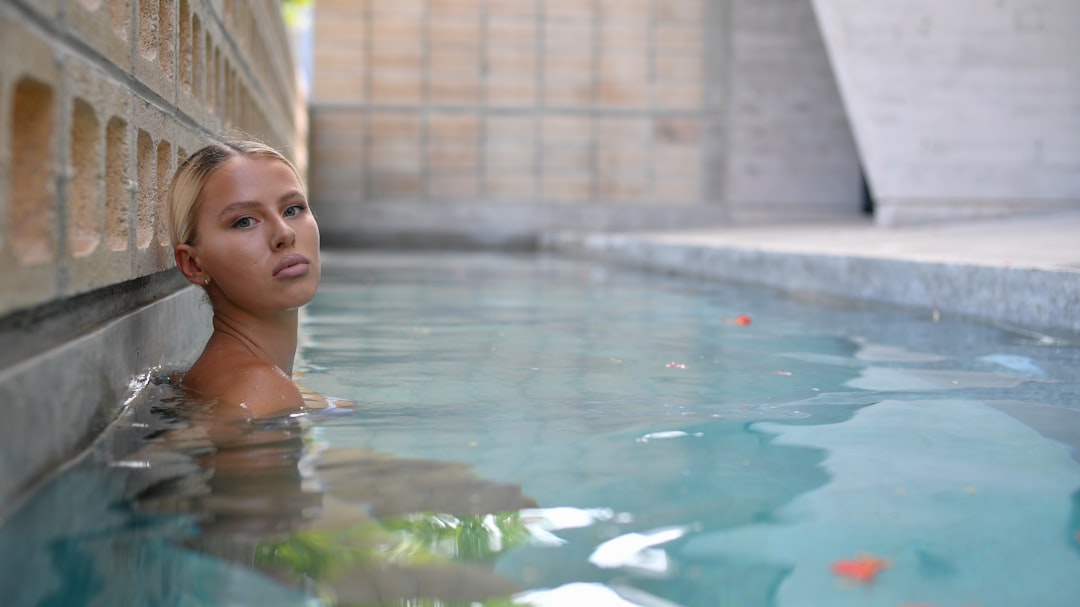
Wellness retreats inside the European Union now meet a level of certified rigour that transforms a long weekend into something far more meaningful than rest alone.
What EU certification actually means for wellness retreats
The EuropeSpa certificates are the official quality system of the European Spas Association and are the only official certification system in this area for the whole of Europe. That distinction matters. When you book a certified property, you book with evidence, not merely reputation.

The requirements for a successful certification are high: at least 80 percent of all criteria and all knockout criteria must be fulfilled. Auditors closely examine the areas of service, safety, hygiene, and infrastructure. This is not a marketing seal. It is a structured audit with real consequences.
After a successful audit, the certificate is valid for 3 years, with an interim audit after 18 months. The EuropeSpa certificates permit a valid quality statement for relevant stakeholders such as travellers, travel agencies, and health insurance companies. For the discerning traveller, that continuity of accountability is precisely the assurance worth seeking.
The thermal tradition: where history meets certified wellness retreats
Europe is home to some of the most established wellness institutions, combining preventive medicine, advanced diagnostics, and evidence-based longevity programmes. This heritage is not incidental. It is structural.
Countries such as Germany, France, and Italy lead the market due to their well-established wellness infrastructure, including spas, thermal baths, and wellness retreats. Germany benefits from its long-standing tradition of medical spas and health resorts, attracting both domestic and international tourists. These are not recent inventions. They are institutions refined across generations.

France leverages its reputation for luxury wellness experiences, including thalassotherapy centres along its coastline. Italy, known for its thermal springs and wellness-focused accommodations, continues to draw wellness tourists seeking relaxation and rejuvenation. Together, these 3 countries offer a compelling triangle of certified thermal wellness within easy reach of most EU residents.
Longevity programmes and the new science of sustainable wellness retreats
Modern certified wellness retreats no longer focus on relaxation alone. Modern wellness retreats focus on activities that help people recover from stress while they unwind and manage their nervous system functions. The science now shapes every element of the stay.
Wellness retreats are incorporating EEG neurofeedback, nootropic supplementation, and cognitive training programmes. Alongside this, traditional spa experiences are being transformed through sophisticated hydrotherapy circuits featuring cold-plunge pools, snow rooms, emotion showers, and multi-temperature experiences. These innovations sit alongside, not against, the certified standards that govern each property.
SHA Wellness Clinic leads the frontier of health optimization through science, technology, and personalisation. Its Tailor-Made programme uses a smart algorithm to analyse biological and lifestyle data, creating real-time adaptive health plans. From advanced diagnostics and regenerative medicine to functional nutrition and mindfulness, each element evolves with the guest’s progress. This is the longevity model at its most refined.






Expert perspective on wellness retreats in Europe
The European wellness tourism sector benefits from deep intra-regional travel flows and a remarkable diversity of certified environments. Thermal spa culture in Germany and Austria, thalassotherapy along the French coast, and longevity-focused clinics in Spain and Italy give travellers genuine choice within a single regulatory ecosystem. Certification is not a luxury add-on. It is the foundation on which lasting trust between the guest and the property is built. Sustainable programming, bio-certified nutrition, and personalised diagnostics are no longer premium exceptions. For the informed EU traveller, they are baseline expectations. A certified long weekend is, in many ways, the most efficient investment in personal health available in the European market today.
Industry perspective, wellness tourism and certification professionals in Europe
How to choose the right certified retreat for a long weekend
The first question is not which property looks beautiful. The question is which certification standard applies and what it covers. A certification by EuropeSpa covers the areas of service, safety, hygiene, and infrastructure, exactly the areas that are comparable across European borders. Start there.
The EuropeSpa certificates were developed in years of cooperation with specialist associations, clinics, hotels, and renowned experts from Germany, Austria, Slovakia, the Czech Republic, and Hungary. The basis includes more than 50 national and international laws and standards. That foundation gives the certification genuine cross-border authority.
Consider also the programme type. The market includes luxury, detox, yoga and meditation, nature-based, and adventure wellness segments, alongside application types such as stress relief, digital detox, emotional balance, and lifestyle change. A clear personal intention will guide you toward the right certified property far more efficiently than any ranking list.
Conclusion
The European wellness tourism industry was valued at USD 278.3 billion in 2025 and is projected to grow at a compound annual growth rate of 7.7 percent between 2026 and 2035. That growth reflects genuine demand, not trend. Wellness retreats within the EU now offer something rare: beauty with accountability, tradition with innovation, and luxury with certified substance. Whether you choose the thermal springs of Germany, the longevity clinics of Spain, or the thalassotherapy centres of France, the certification framework protects your investment and your experience. Seek out wellness retreats that carry the EuropeSpa seal, plan your long weekend with the same care you bring to any meaningful journey, and let Europe’s healing heritage do the rest.
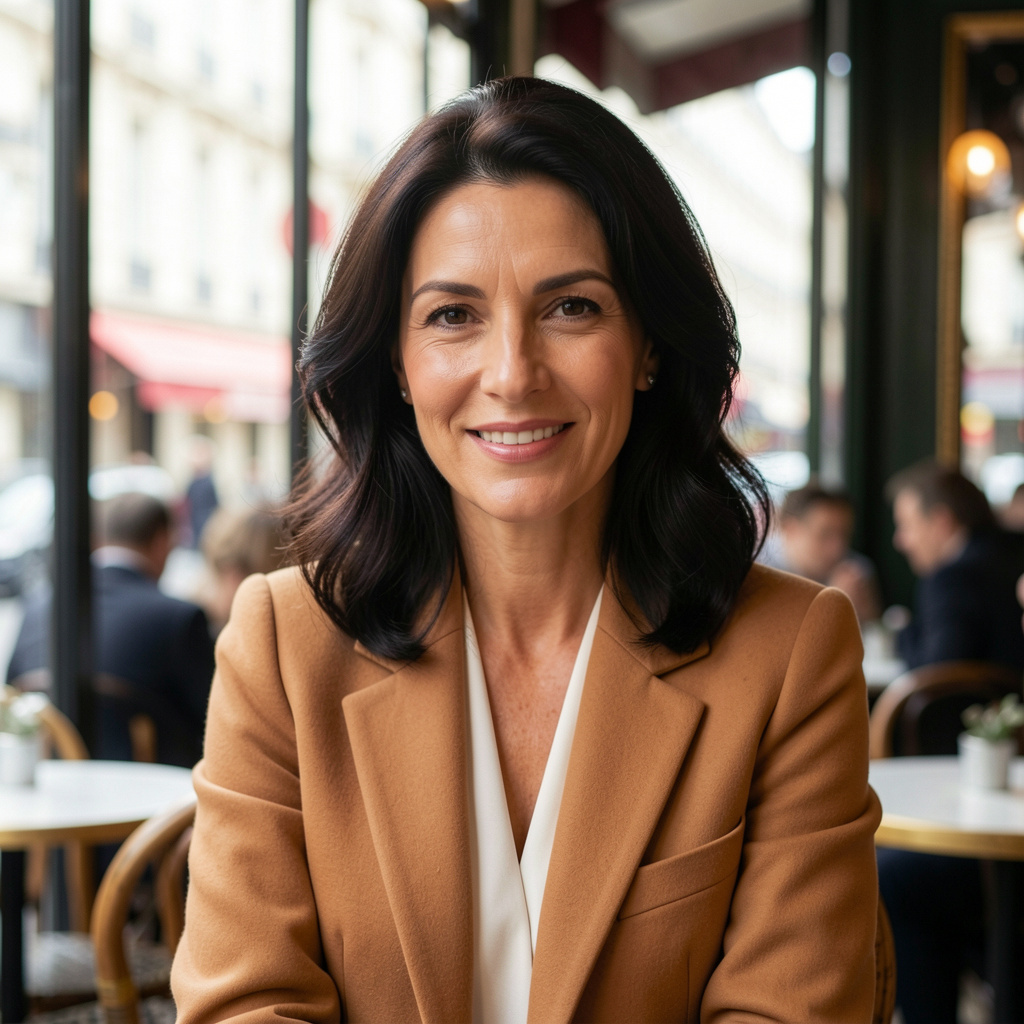
*Sophie Marchand writes on European luxury lifestyle, sustainable culture, and the art of intentional living.*
Discover more about wellness retreats
- EuropeSpa: Standards and Certificates for Medical Spa and Wellness
- Global Market Insights: Europe Wellness Tourism Market Report
- Europe Incoming: 8 Wellness Travel Trends Shaping European Bookings