
To stay healthy in Europe today is to reckon with a continent that is warming faster than anywhere else on Earth, and to meet that reality with both knowledge and a certain quiet discipline.
The WHO European Region is the fastest warming of the 6 WHO regions, with temperatures rising at around twice the global average rate. Heat stress is the leading cause of climate-related death in the Region. The duration and intensity of heatwaves dangerous to human health are increasing and are projected to further increase substantially across Europe under all climate scenarios, especially in Southern Europe. Caring for your body during a heatwave is not a matter of inconvenience. It is a matter of genuine urgency.

Why European heatwaves demand serious attention
In 35 countries of the Region, heat claimed more than 60,000 lives in 2022 and 47,500 lives in 2023. These are not abstract figures. As many as 95% of the fatalities associated with weather and climate-related extremes recorded in Europe between 1980 and 2023 were linked to heatwaves. The European continent, admired for its architecture, its culture, and its slow-living traditions, was not built for the temperatures it now regularly endures.
Excess deaths during heatwaves have not historically been common in Europe, where temperatures, especially in the north and west, have usually remained temperate in the summer months. Thus, European homes have traditionally been designed and built primarily to retain heat, due to the cooler climate in the winter months. That mismatch between the built environment and the current climate creates real danger. Heat risk is concentrated in cities, where urban heat island effects, ageing building stock, and socioeconomic inequalities combine to intensify exposure.
Prolonged exposure to extreme heat can cause dehydration, heatstroke, and exacerbation of existing conditions. Vulnerable populations, such as the elderly, children, and those with heart, kidney, respiratory diseases or mental health concerns, are particularly at risk. However, heat exhaustion does not only affect those with existing conditions. Extreme heat does not just affect older adults or people with health conditions. It can affect anyone, including fit, healthy adults who overestimate how much heat their body can handle.
The foundations of heatwave hydration
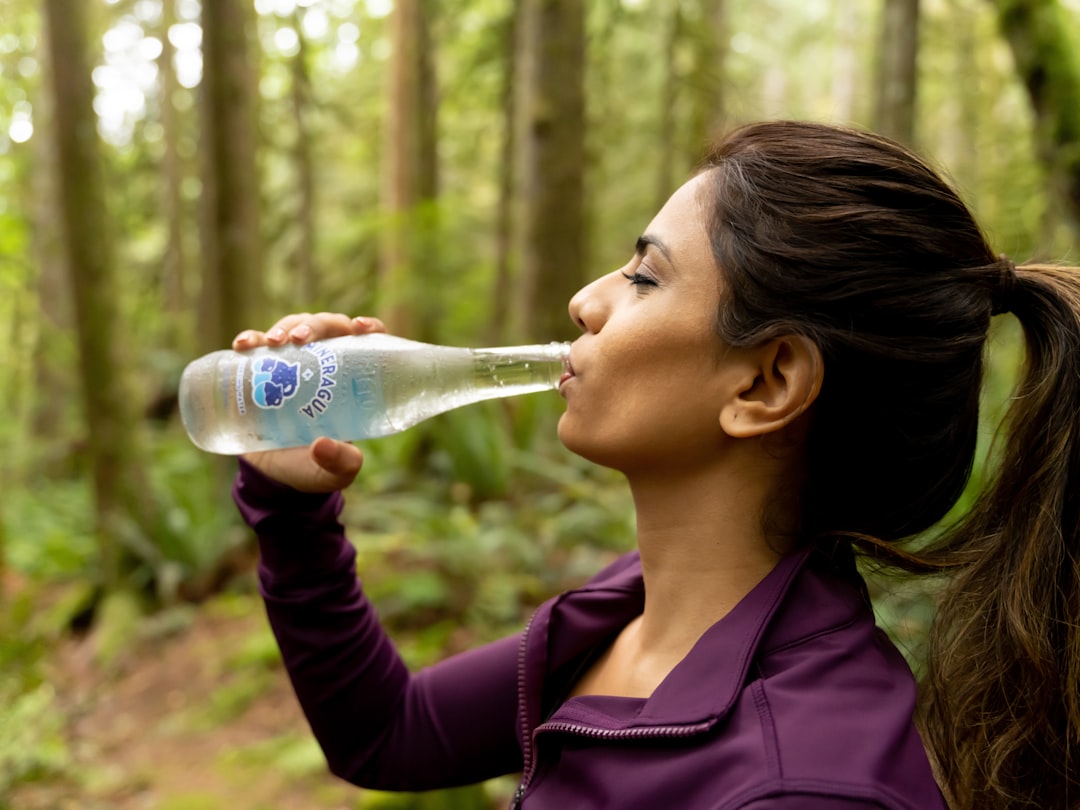
Hydration is the most important single action you can take to stay healthy during a heatwave. Drinking water and other fluids regularly is key to staying hydrated. The WHO recommends drinking at least 2 to 3 litres of water per day. The critical point, confirmed by medical professionals across the EU, is timing. Experts also stress the importance of staying hydrated by drinking water regularly, instead of waiting until you feel thirsty.

It is important not to wait until feeling thirsty, and experts advise avoiding excessive alcohol and caffeine, as they can act as diuretics and worsen dehydration. Choose still or lightly sparkling water, herbal infusions served cold, or broths. Favour meals with high water content, and eat regularly and in sufficient quantity, since food also plays a role in maintaining hydration and electrolyte balance. Vegetables such as cucumber, tomato, and courgette, all central to the Mediterranean table, are excellent natural sources of water and minerals.
Think of hydration as a daily ritual rather than a reaction. Fill a glass carafe each morning and place it where you will see it. Carry a reusable bottle when you leave the house. These small gestures, repeated with intention, form the architecture of good health across the season.
How to keep your body cool and your home comfortable
Nighttime heat can be especially dangerous because it prevents the body from recovering. This is why, when assessing the health impact of a heatwave, minimum temperatures can be more telling than the peak afternoon high. Temperatures are expected to exceed 30°C across much of Europe this summer, with many areas experiencing tropical nights, defined as nights when temperatures do not fall below 20°C. This lack of overnight cooling prevents the body from recovering from daytime heat, places severe strain on the cardiovascular system, disrupts restorative sleep, and increases mortality rates.
If you do not have air conditioning, and most people in northern Europe do not, the advice is practical and affordable: keep blinds and curtains closed during the day to block heat out. Open windows and shutters in the late evening and early morning, when outdoor temperatures fall. Cool down with showers or a damp cloth, and keep your room shaded. A cool cloth applied to the wrists, neck, and temples offers rapid relief and requires nothing more than water.






Stay out of the sun during the hottest part of the day, especially between 11am and 3pm. Wear a wide-brimmed hat, sunglasses, light clothing, and sunscreen. Natural fibres such as linen and cotton allow the skin to breathe. Choose light colours that reflect rather than absorb heat. Elegance and practicality, in this instance, share the same wardrobe.

An expert perspective on heat and health in Europe
The scale of what we are witnessing across the European region is not a temporary anomaly. It reflects a structural shift in our climate that demands a structural response. Heatwaves are now recurring crises, growing more frequent, more intense, and longer in duration each year. We know that prevention works: estimates show that heat-related deaths in the European Region in 2023 would have been around 80% higher without the adaptation measures already in place. For individuals, this means building consistent daily habits: drink water before you feel thirsty, keep your living space cool, avoid peak sun hours, and check in with vulnerable people around you. The single most important thing any person can do during a heatwave is to act early, not after symptoms appear.
Industry perspective, European public health and climate adaptation professionals
Protecting those most at risk
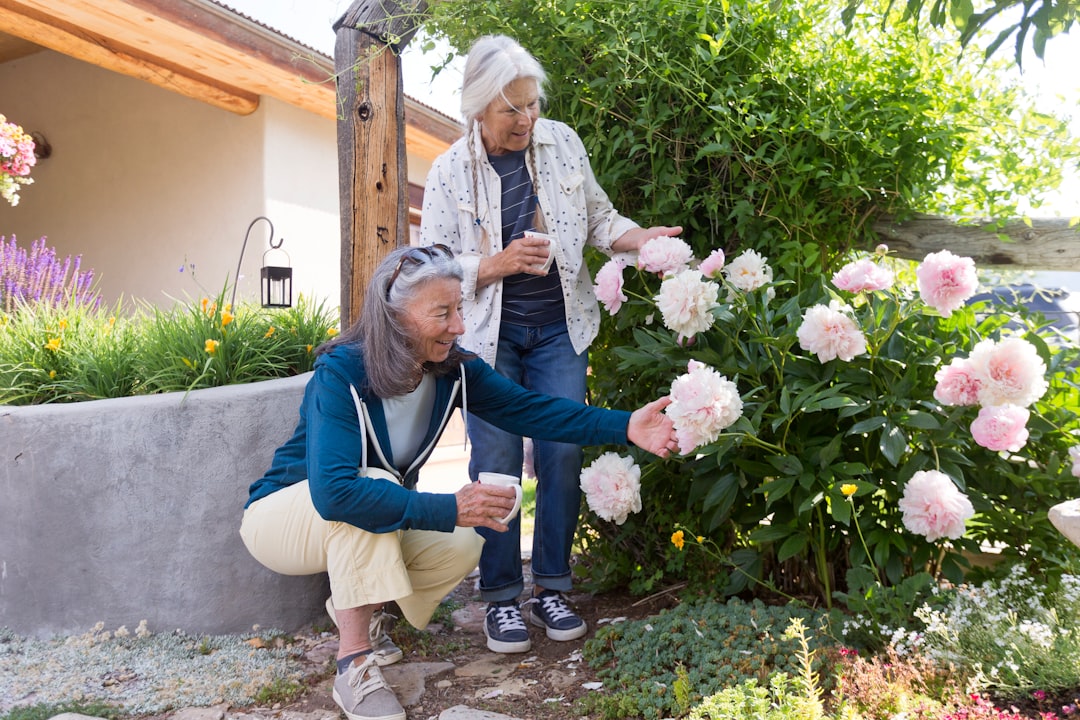
Some people face greater danger during a heatwave, and recognising this is an act of both knowledge and care. Vulnerable groups include older adults, especially those over 65, people with chronic diseases, infants and young children, socially isolated individuals, outdoor workers, and homeless populations. Children sweat less per kilogram of body weight and have a higher metabolic rate, causing them to heat up more quickly. People on medication are also at higher risk, as some prescription and over-the-counter drugs can interfere with the body’s ability to regulate temperature, sweat, or stay hydrated.
Around 60% of hospital admissions after emergency visits during recent heatwaves have involved people aged 75 and older. Many of those admissions were preventable. Cities across the EU are responding with concrete action. Barcelona has expanded its network of climate shelters to more than 500 spaces, including libraries, civic centres, parks, and pharmacies. Paris has activated its welfare-check register for older and vulnerable residents.
Know the warning signs. Early warning signs of heat exhaustion or heatstroke include dizziness, nausea, fatigue, weakness, and confusion. If someone experiences these symptoms, experts recommend cooling the person down, taking a shower or bath, spraying water, drinking fluids, and seeking medical advice if symptoms worsen. If someone feels faint, confused, stops sweating, or has a very high temperature, move them somewhere cool, cool their skin, and call emergency services immediately. The EU emergency number is 112 across all Member States.
Conclusion: a commitment to stay healthy, season after season
To stay healthy during a heatwave is to practise the most refined form of self-care: quiet, consistent, and grounded in evidence. Estimates show that heat-related deaths in the European Region in 2023 would have been around 80% higher without the adaptation measures already in place. Prevention is not passive. It is a daily choice. Drink water with intention. Protect your home from heat. Check in with those around you. The frequency, intensity, and duration of heatwaves are all expected to increase in the coming decades. The European summer is changing, and so must the way we live in it. Return to this guide each season, share it with the people you love, and stay healthy, not just for one heatwave, but for every one that follows.
Discover more about stay healthy
- WHO Europe: Heatwaves and health guidance
- European Environment Agency: The impacts of heat on health in Europe
- Al Jazeera: More than 1,300 deaths in Europe amid heatwave, what can countries do?