


June daylight holds a quiet power that Nordic Europeans have understood for centuries, and that science is only now fully beginning to explain.
What happens to the body in long summer light
Unlike countries near the equator, where days and nights are split into roughly equal 12-hour periods, the Nordic countries experience a steady increase in sunlight from the winter solstice in December until Midsummer in late June. This is not simply a pleasant seasonal shift. It is a biological event.

Scientists are learning how specialized cells in human eyes convert the blue wavelength of the light spectrum into neural signals that affect mood and alertness. Sunlight carries an abundance of this blue light, and when those cells absorb it, the brain’s alertness centers activate, producing a sense of wakefulness and elevated mood. The body, in other words, reads light as an instruction.
Serotonin is the neurotransmitter that regulates mood. Reduced sunlight may lower serotonin levels in the body, and because lower serotonin is linked to higher risk of depression, the logic is clear: more sunlight supports more serotonin and a more stable emotional state. June, with its extraordinary hours of Nordic light, is therefore not indulgence. It is medicine.
The Nordic relationship with light
As far back as the sixth century, historians described seasonal peaks of joy and sorrow among Scandinavians, shaped by the continuous daylight of summer and its near-total absence in winter. This is a culture that has always lived in conversation with light.
As lighting design researcher and Associate Professor Ute Besenecker at KTH, the Royal Institute of Technology in Stockholm, notes: “The special quality of Nordic daylight, with its low angles and slow, beautiful day-night transitions of long sunrises, sunsets, and the blue hour, are very unique.” This quality of light is not incidental. It shapes perception, rhythm, and even aesthetic sensibility.

The amount and quality of light one receives affects the circadian rhythm, sleep, and mood. As Dr. Besenecker observes, “The high variability of light throughout the day, and of course between the winter and summer seasons, shape people’s customs, color preferences, and general relationship to light.” In Nordic EU countries, light is not background. It is culture.
How June daylight resets the circadian rhythm
The circadian rhythm is the body’s biological clock. As seasons change and sunlight levels shift, this clock can become disrupted, which may lead to symptoms of low mood and fatigue. June daylight works in the opposite direction: it reinforces and stabilizes this internal system.
Studies suggest that regular exposure to sunlight helps regulate circadian rhythms, improving both mood and sleep patterns. The mechanism is precise. Specialized retinal cells send a signal to a timing hub in the brain. That hub helps set the circadian rhythm, governing sleep, hunger, body temperature, and hormone release. When daylight is strong and arrives at a consistent time, this internal clock keeps better time.






Research from a Danish sleep center found that a key neurochemical, orexin-A, peaks in summer, particularly in June and July. The increase at midsummer corresponds to approximately a 10.6 percent rise compared to winter levels, a shift that supports alertness, motivation, and positive mood.

Expert perspective on light and wellbeing
June daylight is not simply about hours of brightness. It is about the quality and angle of that light and the biological response it triggers. Nordic summer light arrives at a low angle, which means it is softer, longer in duration, and more consistent across the day than equatorial sunlight. This slow, sustained exposure is precisely what the circadian system benefits from most. Spending time outdoors during these hours, even without direct sun exposure, delivers measurably higher light intensity than any indoor electric source. The cultural practices built around Nordic midsummer are not nostalgic traditions. They are, in effect, evidence-based wellbeing rituals. Moving the body outside, connecting with natural light early in the morning, and allowing the extended evening hours to replace screen time are choices that support serotonin regulation, melatonin balance, and overall psychological resilience.
Industry perspective, Nordic lighting design and seasonal wellbeing research
Midsummer rituals as modern wellbeing practice
Depending on one’s location in the Nordic region on Midsummer’s Eve, the day offers between 20 and 24 hours of daylight. For EU citizens in Finland, Sweden, and Denmark, this is a moment of collective celebration that carries very real physiological benefit.
The Nordic tradition of Midsummer centers on the outdoors: open-air gatherings, water, forests, and movement through long evenings. These are not accidental features. They are the architecture of a culture that has learned, over generations, to receive light with intention. For the contemporary EU resident who values both heritage and wellbeing, this offers a refined model.
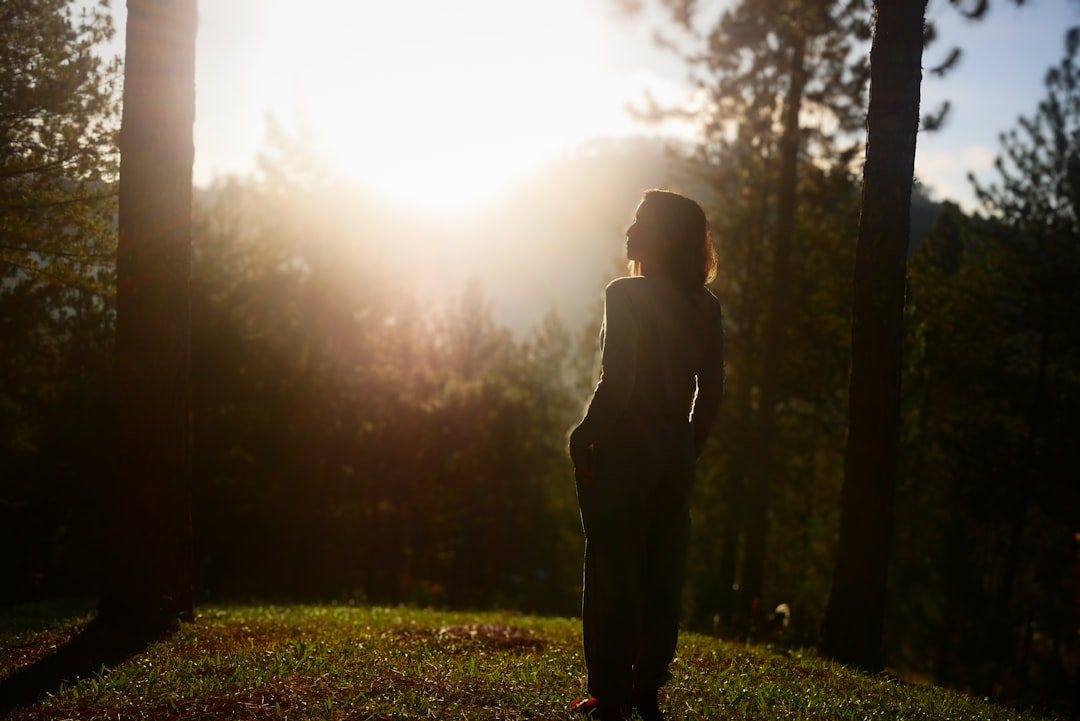
Good connection with natural daylight has the potential to reconnect humans to the natural cycle of day and night, which promotes health and wellbeing. To step outside in the Nordic June evening is not to simply take a walk. It is to participate in a ritual the body understands at a cellular level.
Conclusion: receive June daylight with intention
June daylight is one of the most accessible wellbeing resources available to EU residents in the Nordic countries and beyond. Science confirms its effect on serotonin, on the circadian rhythm, on mood and sleep. Culture confirms its depth, in traditions that have honored midsummer light for more than a thousand years.
To receive June daylight well is to live with a certain deliberateness: morning walks before the inbox, evening meals taken outside, screens set aside as the golden hour extends. This is not sacrifice. It is the quiet luxury of alignment with nature. Seek out June daylight this season. Let it do what it has always done.
Discover more about June daylight
- The Light Illuminating the Nordics (UNRIC, United Nations Regional Information Centre)
- Seasonal Variation in Bright Daylight Exposure, Mood and Behavior among Office Workers in Sweden (PubMed Central)
- People in the Nordics Know How to Beat the Winter Blues (Euronews, December 2025)