

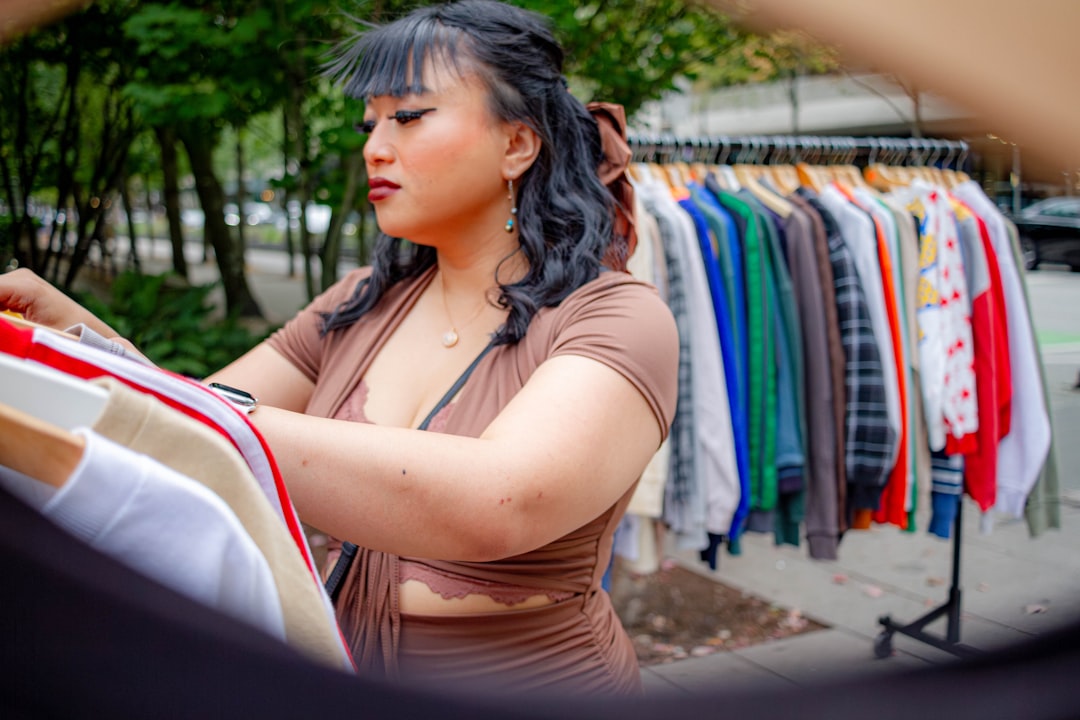
Sample sales from circular fashion brands are not just a discount opportunity this August: they are a direct result of new EU policy that has changed how brands manage unsold certified-organic stock.
Why EU rules make this August different for sample sales
The European Commission adopted new measures under the Ecodesign for Sustainable Products Regulation (ESPR) to prevent the destruction of unsold apparel, clothing accessories, and footwear. The ban applies to large companies from 19 July 2026. That date is not a distant deadline. It is now in effect.

Every year in Europe, an estimated 4 to 9 percent of unsold textiles are destroyed before ever being worn. Sample sales are one of the most direct ways for circular brands to move certified-organic stock legally and profitably. For shoppers, this creates a real window.
A 2026 circular-economy assessment found that optimised policy frameworks could lift gross profit margins to as high as 55 percent for resale activities. These figures reframe resale as a profit-generating operation rather than a cost-absorbing sustainability program. Brands have noticed. Events in August reflect that shift.
What to look for at a circular fashion sample sale
Not every sale that uses the word “sustainable” delivers on it. Look for 2 things. First, check for GOTS certification on fabrics. Second, verify that the brand operates a take-back or repair scheme alongside its sale events.
LANIUS, the German brand whose maxims include “think organic, be responsible,” uses lower-impact materials such as GOTS certified cotton. All LANIUS facilities are SA8000 certified, and the brand is a member of the Fair Wear Foundation. That combination of material certification and labour standards is the benchmark worth applying to any brand at a sample sale this month.

Over 70 percent of European shoppers now prioritise garments made from recycled fibres or certified organic cotton, driving a rapid shift toward closed-loop supply chains. That demand is exactly what these August events are designed to meet.
8 EU sample sales to add to your August calendar
These 8 events cover a range of price points, product categories, and EU member states. Each brand listed carries at least one recognised organic or circular certification. Check each brand’s website directly for exact dates and locations, as some events run for limited days only.
1. LANIUS (Germany). LANIUS describes itself with the maxims “love fashion, think organic, be responsible” and uses lower-impact materials such as GOTS certified cotton. The brand runs periodic stock clearance events accessible to EU shoppers online.






2. Patagonia EU stockists (multiple countries). Patagonia has developed repair, resale, and garment take-back services to extend product lifespans, while increasing customer loyalty for outdoor clothing. Regional stockists in Germany, France, and the Netherlands host seasonal sample events.
3. PANGAIA (online, EU delivery). PANGAIA establishes its identity through material science research, including bio-based dyes and fibre research partnerships that enable faster product testing. The brand clears end-of-season organic stock via digital sample sales with EU delivery.
4. Arket (Sweden and EU stores). Arket launched a fashion collaboration during Milan Design Week 2026 that emphasised reuse-led design aesthetics and sustainable production concepts, reflecting broader European demand for circular fashion collections. Physical sample sales at Arket stores in Stockholm and Amsterdam run through August.
5. Armed Angels (Germany). This Cologne-based brand carries GOTS and Fair Wear Foundation certification across its core range. It hosts an annual warehouse sale in late August that draws buyers from across the EU for certified-organic basics and outerwear.
6. Thinking Mu (Spain). Based in Barcelona, Thinking Mu is a certified B Corp that uses organic cotton and recycled fibres. The brand runs an August sample sale both online and at its Barcelona studio, with EU-wide shipping at flat rates.
7. Veja (France). The French footwear brand uses organic cotton and wild rubber certified by the Forest Stewardship Council. Veja conducts sample sales at its Paris warehouse each summer, open to individual buyers on specific days by prior registration.
8. Kings of Indigo (Netherlands). This Amsterdam-based denim brand holds GOTS certification for its core denim lines. It organises an August sample sale at its Amsterdam headquarters, covering deadstock fabric pieces and certified-organic denim at significant reductions.
Expert perspective on sample sales and the green economy
The shift we see this August is structural, not seasonal. Brands that carry certified-organic stock now face a clear compliance choice: move inventory through legitimate channels or risk disclosure obligations under the ESPR. Sample sales have moved from a marketing tool to a core inventory strategy. The circular fashion brands doing this well are the ones that have built resale and clearance infrastructure into their supply chain model from the start, not as an afterthought. For the EU green economy, this is exactly the kind of market behaviour that policy was designed to incentivise. Investors and operators in sustainable textiles should treat August stock events as a leading indicator of how brands manage circular compliance across the full year.
Industry perspective, sustainability and circular economy professionals in the EU textiles sector
How to verify organic certification before you buy
Certification claims require verification. Do not rely on a brand’s own website language alone. EU organic certification is a regulated process that ensures products have been produced in accordance with standards established by EU legislation for organic production. This certification plays a key role in promoting organic agriculture, protecting the environment, and ensuring food quality and safety for European consumers.
For textiles, GOTS (Global Organic Textile Standard) is the most widely recognised certification for organic fibre content and responsible processing. Certified organic textiles represent 21 percent of global organic certified product demand. Nearly 32 percent of buyers emphasise eco-label credibility, while 26 percent highlight transparency in sourcing as a crucial factor for adoption.

Ask the seller for the certification number and check it directly on the GOTS public database before purchasing at any sample sale.
Conclusion: sample sales as a practical entry into circular fashion
From 19 July 2026, large EU companies are prohibited from destroying unsold apparel, footwear, and accessories. This makes August sample sales from circular brands a rational response to a real legal obligation, not a marketing gimmick. If you want to enter the circular fashion market at lower cost, this is the most practical moment to do it.
These 8 sample sales give EU shoppers direct access to certified-organic stock at reduced prices, with the policy context to confirm the opportunity is genuine. Add the dates to your calendar, verify the certification numbers, and treat each purchase as a vote for the supply chain model you want to see scale across the EU.
Discover more about sample sales
- EU rules on destruction of unsold clothes and shoes, European Commission
- Circular Fashion Market size and forecast 2026, 2035, Market.us
- More sustainable fashion brand offers this August, Good On You