

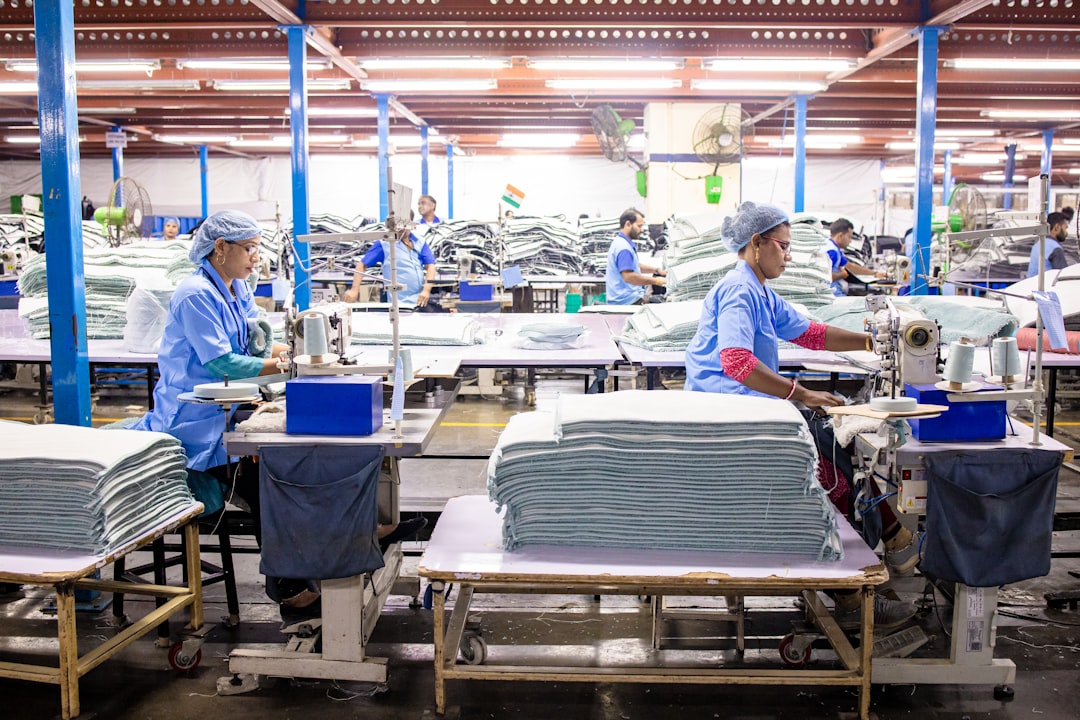
Textile recycling in the EU is no longer just an environmental target, it is becoming a viable revenue stream, and 6 programmes are already proving this across Europe.
Why the scale of the problem demands serious solutions
The EU generated an estimated 6.95 million tonnes of textile waste in 2020, around 16 kg per person. Of this, only 4.4 kg per person were collected separately for reuse and recycling, while 11.6 kg per person ended up in mixed household waste. That is a structural waste of raw material with a clear market value.

The EU textile sector generates approximately 5.4 million tonnes of post-consumer waste annually, with less than 1% currently subject to fibre-to-fibre recycling. The gap between what is available and what is recovered is the business opportunity. This pricing trend underscores the growing economic and strategic significance of textile waste in Europe. Rising prices encourage more efficient collection and processing and stimulate investment in advanced recycling technologies.
1. The EU Waste Framework Directive: mandatory collection as the foundation
The most important shift is regulatory. The Waste Framework Directive mandates that from 2025, EU member states must establish separate collection systems for used textiles. This is not a voluntary target. It is a legal obligation that forces infrastructure investment across all 27 member states.
The directive requires mandatory separate textile collection from households throughout Europe by 2025, and this will drive the scaling of collection, sorting, and recycling infrastructure across the EU. More collection points mean more feedstock for recyclers. More feedstock means a more stable market for secondary fibres.
Collection rates in the EU are predicted to more than double by 2030 as a result. For businesses in the recycling chain, that volume growth is the foundation for a credible investment case.

2. EU-wide EPR for textiles: producers pay, infrastructure grows
The EU formally adopted textile EPR in October 2025, introducing a harmonised framework that will apply across all member states. Extended Producer Responsibility shifts the financial burden from taxpayers to the brands that sell textiles.
The new framework requires all EU member states to establish national textile EPR schemes, making producers financially and operationally responsible for the collection, sorting, and treatment of textile waste. These new EPR obligations must be transposed into national laws by June 2027, with schemes required to be operational shortly thereafter.
EPR fees are eco-modulated based on durability, recyclability, and recycled content, incentivising circular design. This is the mechanism that connects product design directly to recycling economics. Brands that design for circular use pay less. Brands that do not pay more.

3. France and the Netherlands: EPR pioneer models
France’s journey toward textile circular economy legislation started in 2007 with the French Environmental Code, launching the first Extended Producer Responsibility scheme. This initiative aimed to enhance textile management and influence design, waste prevention, and end-of-life strategies. Producers financed collection and treatment, supporting reuse, recycling, and research.
The Netherlands followed with its own model. The Decree on Extended Producer Responsibility for Textiles took effect on July 1, 2023, making producers and importers of clothing and textiles accountable for product waste in the Dutch market. The scheme covers newly manufactured consumer clothing, workwear, corporate wear, and household linen.
Key goals include achieving at least 50% reuse and recycling by 2025, with 25% fibre-to-fibre recycling. By 2030, targets aim for at least 75% reuse and recycling, including 33% fibre-to-fibre recycling. These are binding targets, not aspirations. They create demand for recycling capacity and signal where investment is needed.
4. Expert perspective on textile recycling economics
The economics of textile recycling in Europe are at a turning point. The regulatory framework is now in place, but the sector still needs to scale before it can generate reliable returns. Currently, 1.5 million tonnes of clothing are collected selectively, and to achieve recycling at scale, we need at least 5 million tonnes per year. Recyclers are ready to invest, but the risk remains too high without full EPR implementation and stable feedstock volumes. The opportunity is real, but execution must follow the legislation at speed.
Industry perspective, textile recycling and circular economy professionals in Europe

5. ReHubs and CISUTAC: industrial-scale innovation programmes
ReHubs Europe plans to pursue fibre-to-fibre recycling for 2.5 million tons of textile waste in Europe and generate more than 15,000 new jobs by 2030. The textile recycling industry in Europe could reach economic, social and environmental benefits of 3.5 billion to 4.5 billion euros by 2030.
Implementing the ReHubs will pool together major efforts and investments for circular textiles from over 100 businesses across the European Union. Once set up, the ReHubs will operate as European coordination centres and service providers, managing different textile waste streams and business needs.
CISUTAC aims to increase circularity and sustainability in textiles and clothing in Europe by piloting digital repair and dismantling, and by novel recycling processes. It covers most parts of the textile sector by working on 2 material groups representing almost 90% of all textile fibre materials, polyester and cotton/cellulosic fibres, and focuses on fashion garments, sports and outdoor goods, and workwear. Both programmes demonstrate that industrial coordination creates the throughput that makes unit economics viable.
6. The Digital Product Passport: data as a recycling enabler
CIRPASS-2 is a 3-year research and development project funded by the European Commission starting in May 2024. With 13 flagship pilot projects, it will demonstrate functioning Digital Product Passports in real-life settings at scale in 4 target value chains, including textiles.
CIRPASS-2 aims to prove cross-pilot interoperability, provide support to small and medium enterprises in their uptake of the Digital Product Passport, and increase the value of reuse, repair, and recycling for manufacturers. Without data on fibre composition and product history, recyclers cannot sort and process efficiently. The passport solves this at the product level.







The EU Strategy for Sustainable and Circular Textiles aims to ensure that, by 2030, textile products placed on the EU market are long-lived and recyclable and to a great extent made of recycled fibres. The Digital Product Passport is the technical tool that makes this verifiable.
Textile recycling is where green policy meets real revenue
These 6 programmes show that textile recycling in the EU is no longer a niche concern. It is a coordinated policy and industry strategy with binding deadlines, investment incentives, and measurable economic targets. The collection obligation is now active. EPR schemes are rolling out across member states. Industrial hubs and research programmes are building the processing capacity. For businesses, investors, and policymakers, the message is direct: the infrastructure for textile recycling is being built now, and the revenue opportunities will follow the feedstock.
Reaching 18 to 26% fibre-to-fibre recycling by 2030 would require 6 to 7 billion euros in capital investment but could generate an annual profit pool of 1.5 to 2.2 billion euros and create approximately 15,000 new jobs. That is the business case for acting on textile recycling today, not in 2030.
Discover more about textile recycling
- EU Strategy for Sustainable and Circular Textiles (European Commission)
- Circularity of the EU textiles value chain in numbers (European Environment Agency, 2025)
- Textile Recycling Expo: recycling sector eager to launch and requests additional EU support (FashionUnited, 2026)