

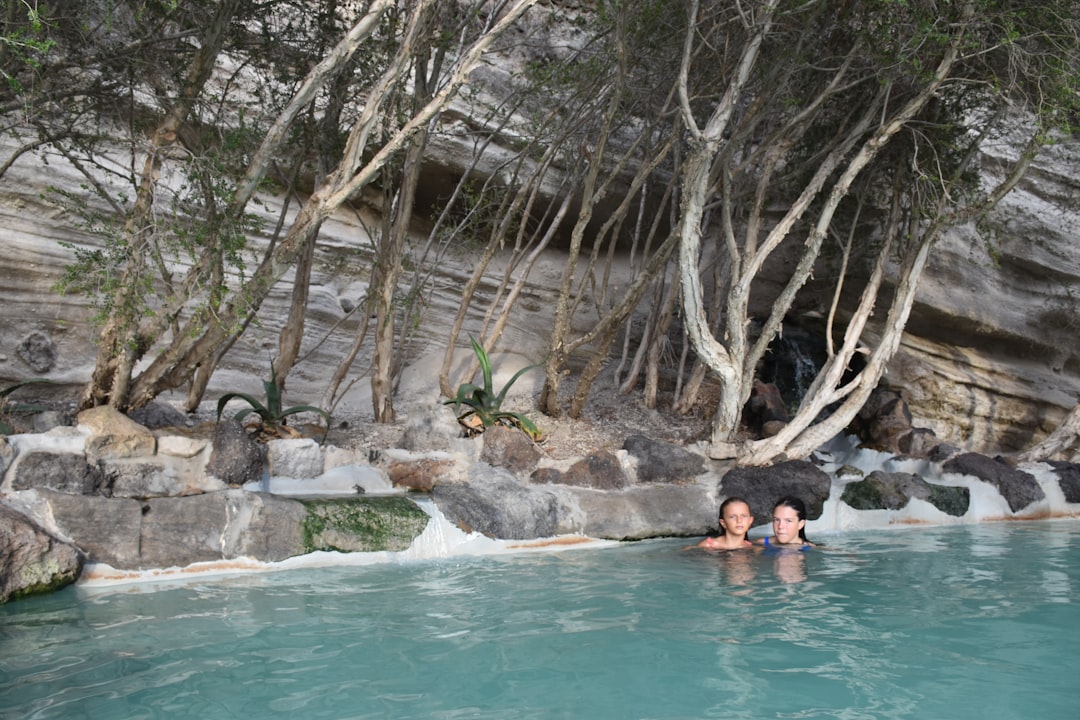
Thermal spas have long been written into the fabric of European life, and today a rigorous certification system finally gives travellers a reliable way to tell the extraordinary apart from the merely pleasant.
What the EuropeSpa certification actually means
The EuropeSpa certificates are the official quality system of the European Spas Association (ESPA) and the only official certification system of this kind for the whole of Europe. That distinction matters when you are choosing where to spend a weekend in stillness and mineral water.

The certification comes in 2 forms: EuropeSpa med, for providers of health travel such as medical spa hotels and spa clinics, and EuropeSpa wellness, for providers of wellness travel including wellness hotels, hotel spas, thermal baths, and day spas. Knowing which category a property holds tells you immediately whether you are entering a clinically oriented environment or a refined leisure destination.
The basis of the certification is more than 50 national and international laws and standards. To achieve it, a facility must fulfil at least 80 percent of all criteria and every knockout criterion, with auditors closely examining service, safety, hygiene, and infrastructure. After a successful audit, the certificate is valid for 3 years, with an interim audit after 18 months.
Why heritage and wellness now belong together
European thermalism is experiencing a new phase: no longer limited to balneological therapy or medical rehabilitation, but rather an integrated offer combining preventive health, outdoor activities, cultural offerings, and personalised services. This shift reflects something deeper than market trends.
In 2026, thermal spa destinations are moving decisively beyond traditional positioning toward measurable health value, driven by population ageing, increasing prevalence of chronic conditions, and a stronger emphasis on preventive care across Europe. Wellness, in this context, is not a luxury. It is an intelligent response to modern life.

A substantial portion of Europe’s thermal spa estate, particularly across Eastern Europe and provincial France, operates in facilities originally built in the 19th or early 20th century. Hungarian and Czech thermal bath complexes, several carrying UNESCO heritage designations, face the challenge of modernising infrastructure while preserving architectural integrity. The best certified properties manage this balance with rare grace.
How to read a certified thermal spa destination
In the Czech Republic, wellness tourism has been strongly shaped by clinical balneotherapy traditions anchored in the West Bohemian spa triangle, comprising Karlovy Vary, Františkovy Lázně, and Mariánské Lázně. These destinations have been collectively recognised under UNESCO heritage frameworks, strengthening their international visibility as premium therapeutic destinations.
Italy presents its own compelling case: thermal resources, cultural heritage, and targeted rural hospitality incentives support a projected growth rate of 9.10 percent between 2025 and 2030. Italy is expanding its wellness offerings significantly, with new spa facilities in regions such as Tuscany and the Dolomites integrating natural mineral waters with advanced treatments including detox and anti-stress therapies.
Germany’s thermal spa model demonstrates particular resilience to seasonal change, due to its insurance-backed patient inflows, which ensure consistent use of spa facilities throughout the year. This consistency is itself a mark of quality that discerning travellers should weigh when planning a stay.
Expert perspective on European thermal wellness
The European thermal spa sector is at a genuine inflection point. Visitors increasingly seek structured balneotherapy programmes, rehabilitation modules, supervised therapeutic treatments, and cooperation with medical professionals. Thermal resorts that integrate mineral waters into organised preventive health pathways, rather than offering bathing as a standalone leisure activity, will strengthen their systemic relevance within the European health landscape. This evolution aligns with broader EU health resilience priorities and the growing integration of tourism and public health strategies. Certification systems like EuropeSpa provide the essential framework that connects individual guest expectations to measurable, auditable outcomes.
Industry perspective, thermal spa and wellness tourism professionals in Europe
What the market tells us about choosing well
The European thermal spa and wellness market was valued at USD 32.1 billion in 2025, driven by a diversified demand base spanning therapeutic balneotherapy, luxury wellness retreats, and medically integrated spa programmes across Western, Southern, and Central Europe. This scale makes a reliable quality signal essential.
Industry reports illustrate that wellness is increasingly understood as a lifestyle rather than an occasional activity. Spa tourism is a major driver of year-round visits, particularly during off-peak seasons, with thermal baths and spa resorts offering a unique incentive for tourists to visit even during colder months. A certified property gives you assurance that the experience will meet a consistent standard, regardless of season.
Many wellness hotels now promote eco-friendly concepts, but only some integrate sustainability into the medical side of their services. Seek out European thermal spas that use local thermal resources responsibly, invest in energy-efficient facilities, and align their wellness programmes with broader public health prevention goals.







How to plan your certified thermal weekend
Start with the official EuropeSpa directory to confirm that your chosen property holds a current certificate. Then identify whether the EuropeSpa med or EuropeSpa wellness classification fits your intent: deep therapeutic treatment or cultivated relaxation. Book a minimum of 2 nights, because most balneotherapy protocols require repeated immersion to deliver results. Arrive without a fixed agenda. According to research by the Wellness Tourism Association, the most important motivations for a wellness stay include de-stressing, recharging, relaxation, and self-healing. A certified thermal spa is designed to serve all of these needs at once.
A destination worth returning to
Thermal spas with formal EU certification represent some of the most carefully maintained heritage in European travel. They offer a rare combination: the weight of centuries of balneotherapy tradition, the rigour of cross-border quality standards, and the quiet beauty of places built specifically for restoration. Seek out certified thermal spas when you plan your next weekend away. Let the mineral water, the certified care, and the unhurried pace do what centuries of European wisdom always promised they would. Your next thermal spas experience deserves nothing less than a property that has earned the right to call itself exceptional.
Discover more about thermal spas
- EuropeSpa Standards and Certificates (European Spas Association)
- Europe Thermal Spa and Wellness Market Report 2026, 2035 (Global Market Insights)
- The New Era of Thermalism: Report on Spa Tourism Direction (Great Spa Towns of Europe, 2026)