

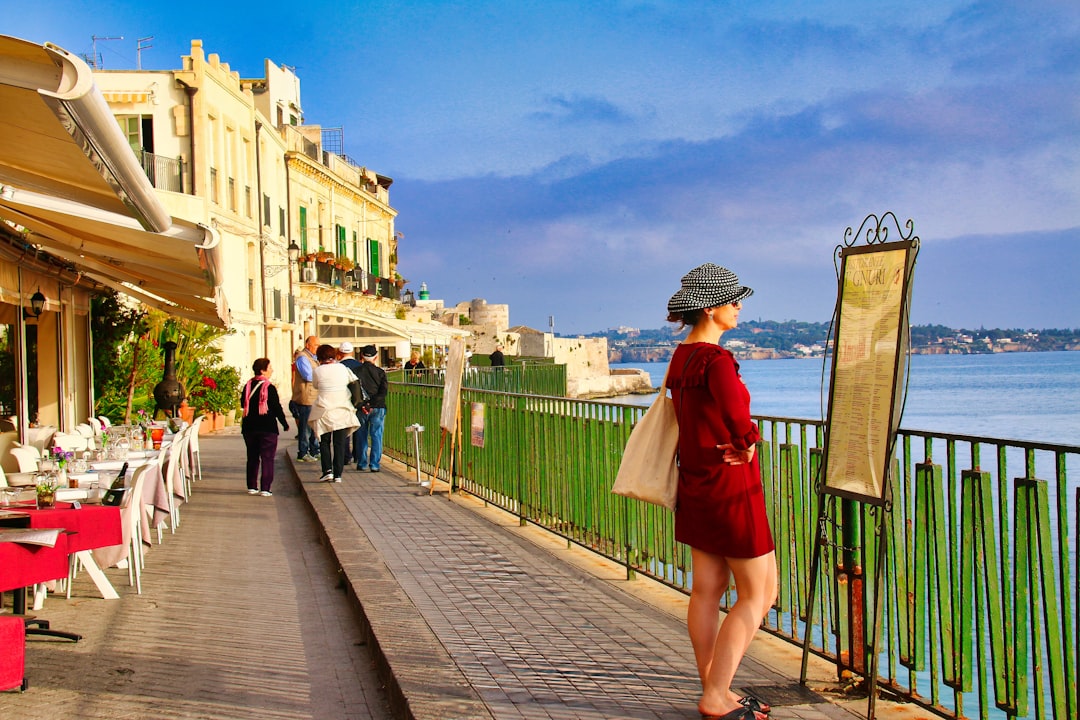
EU beach towns are the quiet protagonists of late June travel: before the peak crowds arrive, these coastal places reveal their most honest, most elegant selves, and the discerning traveler who arrives now earns something rare, a European shore still shaped by culture rather than commerce.
The case for coastal travel before peak season
Late June sits in a precise and fortunate window. For some coastal destinations, late June is a sweet spot because school holidays have not started yet in most of Europe. Prices stay reasonable, restaurant tables are available, and the sea is already warm.

The demand for sustainable tourism is rising, as confirmed by numerous academic and industry surveys. A Eurobarometer survey on the attitudes of European tourists revealed that 43% of travelers consider the natural environment a key factor when choosing their destination, while 82% are willing to adopt more sustainable practices. Choosing a lesser-known EU beach town is, in itself, a responsible act of travel.
Antibes, France: refinement without the noise
Tucked between Nice and Cannes, Antibes is one of the French Riviera’s most underrated coastal places. While nearby destinations attract heavy crowds, Antibes maintains a more relaxed rhythm, making it ideal for travelers who seek a slower and more refined beach experience.
The town offers a mix of sandy beaches and rocky coves, all set against clear blue Mediterranean waters. Beyond the beaches, Antibes charms visitors with its historic old town, busy markets, and a harbor filled with sailboats. The Picasso Museum, housed in the medieval Château Grimaldi, adds a layer of cultural weight that few coastal towns can match.
In late June, the morning light on the ramparts is a travel experience that belongs entirely to those who arrive early.

Milos, Greece: volcanic beauty and honest living
Milos is raw in the way only volcanic islands can be, with rugged cliffs, wind-sculpted beaches, and quiet fishing villages that have not changed in decades. It is less polished than nearby Cycladic destinations, but that is the point. The authenticity here lives in the slower pace, the working harbors, and the recipes tied to land and sea.
In towns like Pollonia and Tripiti, visitors find family tavernas where the wine is house-made and the stories are personal. Sarakiniko beach, with its moon-like white rock formations, is one of the most photographed places in Greece. In late June, it is still possible to sit there in near solitude.
Sozopol, Bulgaria: Black Sea heritage
Located on Bulgaria’s Black Sea coastline, Sozopol is one of Europe’s finest beach towns and a must on any Bulgaria itinerary. The old town sits on a narrow peninsula, and its wooden houses date to the 18th and 19th centuries. The sea here is calm, warm, and genuinely blue.
Bulgaria entered the eurozone in 2026, which simplifies travel for EU visitors considerably. Two distinct beaches frame the town: Harmani beach to the south is quieter and more local in character. The annual Apollonia Arts Festival draws performers from across the continent each September, evidence that this is a town with real cultural ambition.
Expert perspective on sustainable coastal travel
The EU coastline contains an extraordinary diversity of places that remain almost invisible to the mainstream traveler. The cultural heritage embedded in smaller coastal towns, from fishing traditions to vernacular architecture, represents a fragile and irreplaceable asset. When travelers arrive before peak season and stay in locally owned accommodation, they distribute economic benefit far more equitably than mass arrivals in July or August ever can. Choosing these towns is not a compromise on experience. It is, in every measurable way, a higher quality of travel. The EU’s own data confirms this shift: more travelers are prioritizing natural environments and responsible behavior, and that is beginning to reshape which destinations benefit from tourism income.
Industry perspective, sustainable coastal tourism and heritage travel professionals in the EU
Piran, Slovenia: the Adriatic’s best-kept secret
Slovenia has just 47 kilometers of Adriatic coastline, and Piran holds the most beautiful stretch of it. The town’s Venetian Gothic architecture reflects centuries of Venetian rule, and the narrow streets of the old town feel more like a living museum than a tourist attraction.
The main square, Tartinijev trg, is named after the 18th-century composer Giuseppe Tartini, who was born here. Late June brings warm temperatures, a calm sea, and evening concerts in the square that cost nothing to attend. Piran is proof that heritage and coastal beauty can exist in the same small place without any compromise.
Cadaques and Llafranc, Costa Brava, Spain: 2 towns for the price of 1 coastline
Based near Barcelona, travelers have spent many summers escaping to picturesque villages like Cadaques and Calella de Palafrugell on the Costa Brava. This stunning stretch of Spanish coastline is an absolute gem, with rugged cliffs, hidden coves, and sparkling blue waters that make it a destination for beach lovers and nature enthusiasts.
Llafranc offers a good stretch of sand, and behind the beach is a tree-lined promenade backed by restaurants and cafes. It is relatively peaceful, and there is no excessive tourism development in the area, making it a calm base from which to explore this interesting part of Spain.
Cadaques, further north, carries the legacy of Salvador Dalí, who lived here for decades. The whitewashed houses, the still bay, and the quality of the light have drawn artists and writers for over a century.
Tropea, Italy: cliffs, coastline, and slow afternoons
Calabria often goes unnoticed in favor of its more famous neighbors to the north, which is exactly why Tropea deserves attention. The town sits on a cliff above brilliantly turquoise water on what locals call the Costa degli Dei, or the Coast of the Gods.





The red onion of Tropea holds protected geographic status and appears in every local restaurant. The hilltop Santa Maria dell’Isola sanctuary, perched on a sea rock, is one of the most photographed religious sites in Italy. In late June, the beaches below the cliffs are warm and calm, and the evening passeggiata along the clifftop corso is a ritual worth participating in.
Why these EU beach towns matter now
The EU beach towns on this list share one quality: they reward slow, attentive travel. A report on tourism distribution in the EU identifies a clear disparity, with 80% of tourism activity concentrated in just 20% of areas, creating social, economic, and environmental strain. Choosing these 7 EU beach towns is a direct response to that imbalance.
Tourism across Europe is shifting focus toward how people travel, where they go, and what kind of impact tourism leaves behind. The traveler who visits these EU beach towns in late June participates in that shift. Plan your route now, travel light, stay local, and let the coast show you its best face before the summer crowds change the conversation entirely.

Discover more about EU beach towns
- EU Blue Economy Report 2025: Coastal Tourism
- EU Tourism Platform: Sustainable and Balanced Tourism in the EU
- EU Tourism in 2025: Key Trends, Developments and Policy Highlights