

EU Ecolabel certification has passed 116,000 products, and most households still do not fully understand what that number means for their daily shopping.
What the EU Ecolabel actually is
The EU Ecolabel is an official environmental certification awarded to products and services that meet high environmental performance standards throughout their lifecycle, from raw material extraction to production, use, and disposal. That covers everything from the chemicals in your cleaning products to the energy your washing machine uses and the packaging that ends up in your bin.
The EU Ecolabel is an ISO 14024 Type 1 ecolabel, which means it is reliable, multi-criteria, and third-party verified. That last point is important. An independent third party, called a Competent Body, ensures that products fully comply with the relevant EU Ecolabel criteria. You are not relying on a company’s own claims.
The requirements are defined in such a way that only 10 to 20 percent of products on the EU market can receive the EU Ecolabel. This is a high bar, not a marketing shortcut. When you see the blue flower logo on a shelf, it signals a genuinely verified standard.
How the certification criteria work
The European Commission sets EU Ecolabel criteria for different categories of products to minimise their environmental impacts over their entire lifecycle, while guaranteeing their high quality. Because each product category is different, the criteria are tailored to address their unique characteristics.
For cleaning products, for example, these criteria limit the use of hazardous substances and require sustainable sourcing of raw materials, promote the use of biodegradable ingredients, minimum and recycled packaging, and guaranteed performance even at low temperatures. The lifecycle approach means the label considers more than just what is inside the bottle.
All criteria are developed in consultation with key stakeholders, including consumer associations and experts in the relevant field. They are periodically revised by the EU Ecolabelling Board, which takes into account technical innovations and market changes to ensure they are up to date, robust, and trustworthy.
What product groups are covered
The EU Ecolabel covers a broad and growing range of everyday categories. There are more than 116,000 goods and services that have been awarded with the EU Ecolabel, from textiles and cosmetics to tourist accommodation and detergents. For a household, this is highly practical. You can find the label on laundry detergents, floor cleaners, paints, mattresses, clothing, and personal care products.

Tourist accommodation services account for 25 percent of all licences, while paints and varnishes lead by product volume with nearly 37,000 certified items. New sectors are also emerging, such as pet care and updated absorbent hygiene products, reflecting the label’s evolving reach.
The EU Ecolabel does not apply to agri-food products covered by other regulations. Knowing this boundary helps you understand where to look for the label and where other certification schemes apply instead.





Expert perspective on the EU Ecolabel and the green economy
The EU Ecolabel is more than a mark on a product. It is a verified signal that connects consumer choices to Europe’s broader sustainability agenda. Households that understand what the label measures, from lifecycle impacts to chemical safety, are better equipped to make decisions that actually reduce environmental harm. The growth in certified products across diverse categories shows that producers are responding to real demand. The label also serves as a practical tool for public buyers and businesses looking to align procurement with the EU’s Circular Economy and Clean Industrial Deal targets. For consumers, the key insight is simple: the label removes the guesswork from green shopping and provides a clear, science-based reference point.
Industry perspective, sustainability and green procurement professionals in the European Union
Why greenwashing makes this certification essential
There are more than 200 green labels on the European market, and around half of them are not independently verified. This makes it very difficult for households to separate real sustainability claims from marketing language. The EU Ecolabel solves this problem directly.
The Directive on Empowering Consumers for the Green Transition tackles misleading environmental claims, commonly known as greenwashing, and prohibits the display of sustainability labels that are not founded on a certification scheme or not authorised by public authorities. The EU Ecolabel already meets this requirement by design.
In October 2025, BEUC and the EEB carried out a mystery shopping exercise to look into the availability and price comparison of different ecolabelled products. Their study showed that in 10 of the 13 EU countries surveyed, ecolabelled products were actually cheaper than their non-ecolabelled counterparts. This matters because the perception that certified products cost more is often incorrect.

How to use the EU Ecolabel as a household
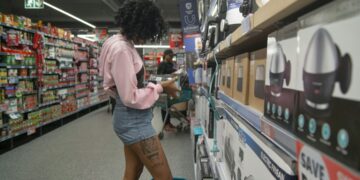
Start with the product categories you buy most often. Cleaning products, laundry detergents, and personal care items are widely available with the EU Ecolabel across European retailers. The EU Ecolabel helps consumers, retailers, and businesses make sustainable choices. Over 100,000 products across the EU already bear the EU Ecolabel, meaning they comply with rigorous ecological criteria and have a reduced environmental impact.
As of March 2026, 116,692 products spanning goods and services have been awarded the EU Ecolabel, backed by 3,541 licences, with 97 percent rooted in the European Economic Area. This means supply is strong. Finding certified alternatives to conventional products is easier now than at any point since the label launched.
The EU Ecolabel is more than just a certification scheme. It is a strategic tool for businesses aiming to stand out in the green economy. As a household, you connect to that same green economy every time you choose a certified product over one with an unverified claim.
Conclusion
EU Ecolabel certification is the most transparent and rigorous green standard available to European consumers today. It applies a full lifecycle approach, uses independent verification, and covers a growing range of household products. The EU Ecolabel helps consumers support the EU’s transition to a circular, climate-neutral economy and helps combat greenwashing. Use the EU Ecolabel as your practical reference point when shopping. Check the product groups that apply to your home, compare options on shelf, and choose certified products with confidence. The label does the verification work so you do not have to.